Hair shedding? Real culprit may surprise you, expert says

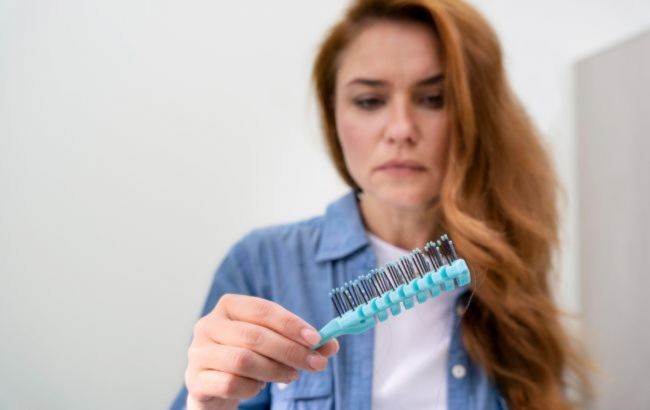 Trichologist names an unexpected cause of hair shedding (photo: Freepik)
Strong or prolonged stress can trigger biological mechanisms that lead to hair loss. It's important to know how to respond in time and prevent the problem, says trichologist and rehabilitation specialist Oksana Varlamova.
What leads to hair loss
According to the specialist, patients often present with severe hair shedding. After lab tests, it is found that ferritin, vitamin D, microelements, and hormone levels are within normal ranges, with at most minor deficiencies that can be quickly corrected.
Essential to understand one key point that very often, hair loss is not about deficiencies. It is about an exhausted psycho-emotional state. When a person lives under long-term stress, overwork, or depression, the body switches into a resource-saving mode.
"In this mode, energy directs toward vital systems — the brain, heart, and internal organs. Hair, however, is not considered essential for survival," the statement says.
As a result, hair follicles are the first to respond to exhaustion, with some of them entering a resting phase, leading to increased shedding.
Know that hair is one of the most sensitive indicators of internal health.
"That is why, in treating hair loss, we should work not only with lab results or procedures, but also with the nervous system, sleep, and psycho-emotional balance," the doctor added.
Sometimes, the key to hair recovery is not new medications, but restoring the body's overall resources.
How to prevent hair loss
Avoiding stress
Stress has a direct impact on the hair growth cycle. With severe or prolonged stress, a significant portion of hair enters the shedding phase. This usually becomes noticeable 2–3 months after the stressful event.
Therefore, stable sleep, a regular routine, and physical activity are not just general recommendations, but factors that truly influence hair growth.
Nutrition
This is one of the key factors. Hair is made of protein (keratin), so insufficient protein intake can trigger shedding. Iron levels (especially ferritin), vitamin D, and zinc are also important.
Supplements only help when there is a confirmed deficiency. Taking them "just in case" is usually ineffective.
Hair care
Avoid tight hairstyles, frequent use of heat tools, and aggressive coloring. This will not stop hormonal hair loss, but it can reduce breakage and additional hair loss.
This material is for informational purposes only and should not be used for medical diagnosis or self-treatment. Our goal is to provide readers with accurate information about symptoms, causes, and methods of detecting diseases. RBС-Ukraine is not responsible for any diagnoses that readers may make based on materials from the resource. We do not recommend self-treatment and advise consulting a doctor in case of any health concerns.