Fuel crisis forces Russia to import gasoline, Reuters reports

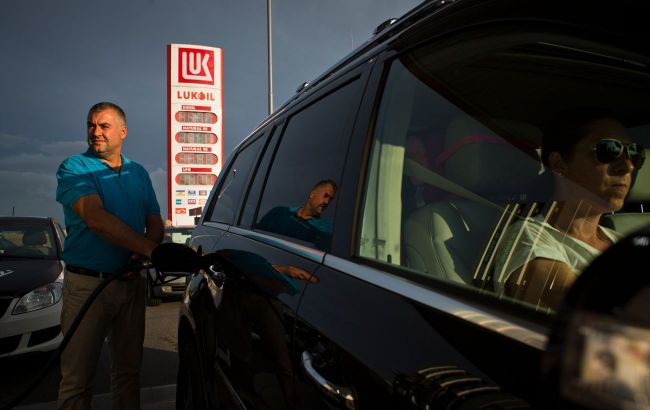 Photo: Fuel crisis forces Russia to start buying gasoline (Getty Images)
Russia will begin importing motor fuel by sea this month due to a severe gasoline shortage on its domestic market. The fuel problems emerged after large-scale Ukrainian drone strikes on Russian oil refineries, according to Reuters.
Shortages and search for alternatives
According to industry sources, a tanker carrying gasoline is expected to arrive in June at one of Russia’s western ports. This is an extremely rare move for a country that normally exports large volumes of petroleum products.
One source said the fuel is planned to be delivered from Asia. Moscow had previously imported gasoline from Belarus and sought assistance from Kazakhstan. However, neither country currently has enough spare capacity to offset the scale of Russia’s crisis.
Authorities have already officially confirmed fuel shortages in occupied Crimea and two regions in Siberia, while more than ten Russian regions have reported similar problems.
Strikes on refineries and an export ban
The main cause of the crisis is repeated Ukrainian drone strikes on Russia’s energy infrastructure.
Among the latest facilities hit and forced to halt refining are the Moscow oil refinery and the TANЕKO complex in Tatarstan.
To maximize domestic fuel reserves during the summer peak demand period, the Russian government has imposed a full ban on gasoline exports until the end of July. Last year, Russia exported nearly 5 million tons of gasoline.
Fuel crisis in Russia
Russian gas stations have begun introducing strict fuel sales limits.
In particular, oil company Tatneft has restricted gasoline and diesel sales at all its stations across Russia, allowing drivers to purchase no more than 30 liters of gasoline per visit.
In addition, many stations have completely banned fuel sales in containers, and in some cases, payment is only accepted in cash.
Due to continued strikes on refining infrastructure, the Russian government has also allowed refineries to produce lower-quality fuel with reduced environmental standards. The Kremlin adopted this measure for the domestic market to slow the rapid depletion of gasoline stocks amid a doubling of Ukrainian drone attacks on refineries since early 2026.
Later, fuel purchase restrictions in Russia became nationwide. Strict limits were introduced by networks controlling around 25% of the retail market, meaning every fourth fueling station in Russia could introduce fuel rationing to restrain panic demand among local drivers.