Fuel crisis deepens in Russia, but Kremlin is trying to keep it quiet, ISW reports

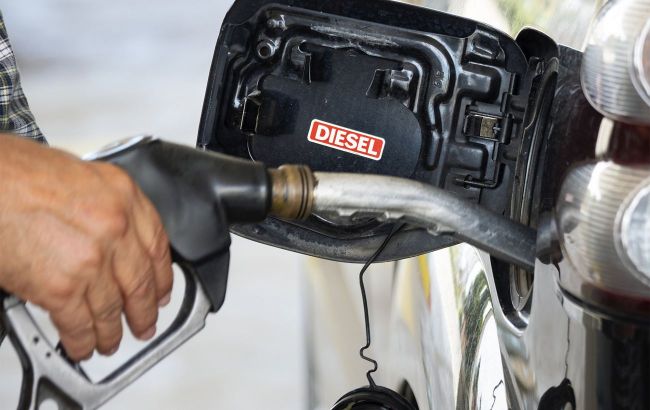 Photo: gasoline shortages are being recorded in several regions of Russia (Getty Images)
Gasoline shortages and rising prices are spreading to more regions across Russia, while authorities are trying to downplay the scale of the problem and reassure the public, according to the Institute for the Study of War (ISW).
Analysts note that Russian officials continue efforts to soften the impact of rising fuel prices amid Ukrainian strikes on Russia's energy infrastructure. At the same time, independent and opposition Russian media report increasingly visible fuel supply disruptions in different parts of the country.
In particular, the St. Petersburg-based outlet Fontanka reported fuel shortages and price increases in several regions, including St. Petersburg, Voronezh, and Tula. According to journalists, supply issues are now appearing even in cities that previously did not face such problems.
In addition, Russian consumers are increasingly expressing dissatisfaction over unstable prices and uneven fuel availability across regions. Some independent gas station chains that are not controlled by major oil companies have already raised prices to compensate for potential losses.
ISW notes that regional authorities are increasingly forced to respond to the situation. Officials in the Saratov region have discussed introducing price caps at gas stations due to supply disruptions and rising demand.
Meanwhile, according to Vazhnye Istorii, temporary restrictions on gasoline sales have been introduced in the Tver region at filling stations operated by Surgutneftegaz and Tatneft.
Similar issues have also been confirmed in the Tula region, where local authorities reported fuel shortages at some stations, citing logistical disruptions and increased demand.
According to ISW analysts, it will become increasingly difficult for the Russian government to contain the consequences of the shortage and stabilize fuel prices. The institute believes that further strikes on Russia’s energy infrastructure could worsen existing problems and deepen the gasoline shortage across the country.
Earlier, Russian gas stations began introducing strict fuel sales limits on a large scale.
In addition, due to ongoing strikes on oil refining infrastructure, the Russian government has allowed refineries to produce lower-quality "dirty" fuel with reduced environmental standards.
Reuters previously reported that Russia is considering importing gasoline by sea due to the shortage. The agency also noted that fuel shortages have already been officially acknowledged in occupied Crimea and parts of Siberia.