Former Ukrainian intelligence general reveals how Russia prepared to seize Crimea

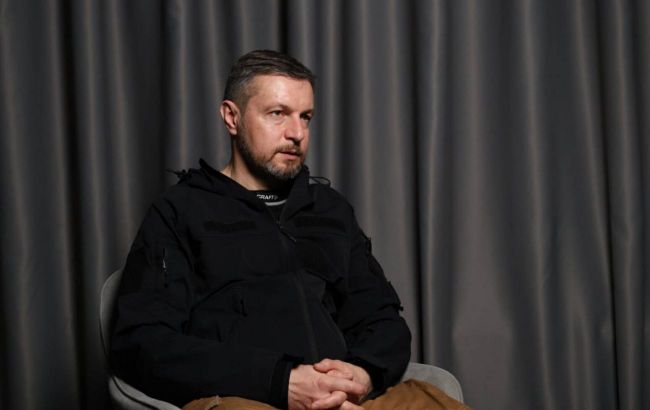 Major General Illia Pavlenko (Photo: RBC-Ukraine)
Russia spent decades preparing to detach Crimea from Ukraine, using economic pressure, recruitment, and information isolation of the peninsula, according to an interview with General Illia Pavlenko.
First attempt to capture Crimea
As early as 1994, Russia attempted to capture Crimea through its proxy, Yuriy Meshkov, whose candidacy was pushed for the post of President of Crimea. According to Pavlenko, Russian special services were behind the scenes of the campaign, dictating to Meshkov populist promises – cheap gas and replacing the hryvnia with the ruble.
Ukrainian counterintelligence managed to neutralize this attempt without firing a single shot, and Meshkov was later evacuated to Russia by the Black Sea Fleet forces.
"Golden Key" to Crimea
Pavlenko called the signing of the Kharkiv Agreements during Yanukovych's time one of the key strategic mistakes. In exchange for a discount on gas, Ukraine gave Russia a legal opportunity to increase its military presence on the peninsula under the guise of counter-terrorism exercises.
"That's how cheaply we sold Crimea," the general remarked, estimating the real value of that gas discount at nearly $3 billion.
According to him, these agreements became a Trojan horse – allowing Russia to modernize its weapons, bring in special forces, and prepare the infrastructure for future annexation.
Putin didn't change Yeltsin's policy
Pavlenko emphasizes: the first attempts to detach Crimea from Ukraine occurred back in Yeltsin's time, long before Putin came to power.
"He simply removed the mask allowing the world to see the Russia's true face," the general described the difference between the two Russian leaders, emphasizing that the imperial worldview remained the same.
As an example of this mindset, Pavlenko recalled that already as a private citizen, Yeltsin asked Crimean authorities for a plot of land for a dacha (a traditional Russian country house with a garden) – that is exactly, according to the general, how Russia acted when it couldn't take by force: it tried at least to beg.
How Russia manipulated public opinion
The general identifies three main instruments of Moscow's influence on Crimea:
- Information isolation – satellite channels, radio, and newspapers on the peninsula were predominantly Russian, which isolated Crimea from the Ukrainian information space;
- Economic pressure – Russian banks issued preferential loans, and Gazprom controlled gas supplies at low prices, creating the illusion of a better life with Russia;
- Recruitment and funding – Moscow handed out Russian passports, funded pro-Russian parties, and created self-defense units from former military personnel.
Why Russia rushed to build the Crimean Bridge
According to Pavlenko, Crimea cannot exist autonomously without Ukraine for long, which is why Russia rushed to build the Crimean Bridge, understanding the peninsula's vulnerability without a direct connection to mainland Russia.
What is known about the current blockade
The general also analyzed the current blockade of the peninsula as part of strategic pressure on the aggressor, emphasizing the importance of Western aid for victory in the war. According to him, Ukrainian intelligence had data on Russia's plans for many years, and the lack of decisive action at the time played into Moscow's hands.
Earlier, the former Ukrainian intelligence general explained why Crimea cannot be left under Russian control – according to Pavlenko, if the peninsula remains a Russian foothold, it would mean not the end of the war, but only a pause before its next stage.
The head of the Mejlis stated the condition that would force Russia to flee Crimea. Further isolation of the occupied peninsula and depriving Russian troops of fuel and electricity could force the Kremlin to start negotiations or withdraw its army.