Forget Oreshnik: Ukraine's presidential office chief names real threats from Russia


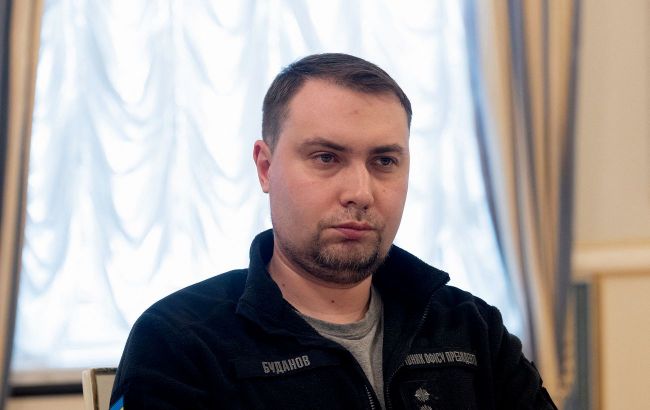 Photo: Kyrylo Budanov (Getty Images)
Russian missile system Oreshnik is primarily a demonstrative weapon. Other Russian weapons pose a more serious problem for Ukraine, stated the Head of the Office of the President, Kyrylo Budanov, at the international forum Security Architecture.
"We have a more pressing issue—the Iskanders, which have already become routine for us, S-400 systems used for ground strikes, air- and sea-launched cruise missiles, and, unfortunately, unmanned aerial vehicles," the head of the Presidential Office said.
Budanov stressed that Russia currently has more than enough of this weaponry.
"Can this break our morale? Well, that is a rhetorical question. Since they have not managed to do so over all these years, I do not think they will," he said.
What is known about Oreshnik
During a combined overnight attack on Kyiv on May 24, Russia used the Oreshnik system. After the strike, a significant number of fragments were recovered and handed over to specialists for detailed analysis.
Later, Western experts also joined the study of fragments of the new Russian missile. In particular, parts of the Oreshnik debris were transferred to US intelligence for further examination.
The United States noted that the use of such a missile marked another step by the Kremlin toward escalation of the war. At the same time, the launch provided Ukraine and its allies with valuable data on the real characteristics of one of Russia’s most secretive weapons.
Meanwhile, analysts at the Institute for the Study of War (ISW) suggested that during the night of May 24, Russia may have launched not one but two Oreshnik missiles.
According to OSINT researchers, the second missile lost control and crashed in occupied territory in the Donetsk region. If confirmed, this would indicate an extremely high failure rate of the new missile — with potentially one in four launches ending in failure.