What we know about Ukrainian Flamingo missiles destroying Russia's defense industry

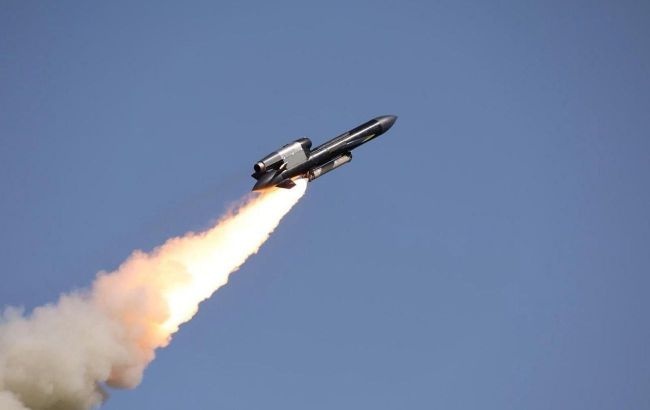 Photo: Flamingo missile attacked Cheboksary (Fire Point press office)
Flamingo missiles struck a strategically important defense enterprise in Russia after flying more than 1,000 kilometers.
RBC-Ukraine takes a closer look at the missile's capabilities, the targets already hit by the Ukrainian-made weapon, and whether Russian air defenses are capable of countering it.
The FP-5 Flamingo is a Ukrainian cruise missile developed by Fire Point in cooperation with the UK's Milanion Group.
Project history
The new cruise missile first became known in 2025. Photos of several completed missiles were published on August 17 last year. The following day, Ukrainian Defense Minister Denys Shmyhal confirmed that Ukraine possessed a domestically produced long-range and "very powerful" weapon.
Based on its appearance and declared specifications, analysts at Defense Express identified the weapon as the FP-5 Flamingo cruise missile, developed by the UK-based Milanion Group, which is headquartered in the UAE. A model of the missile was first unveiled at the IDEX-2025 defense exhibition in February 2025.
Declared specifications
- Range: 3,000 km (1,864 miles)
- Time of flight: more than 4 hours
- Maximum speed: 950 km/h (590 mph)
- Cruising speed: 850–900 km/h (528–559 mph)
- Wingspan: 6 meters
- Maximum takeoff weight: 6 tons
- Warhead weight: 1 ton
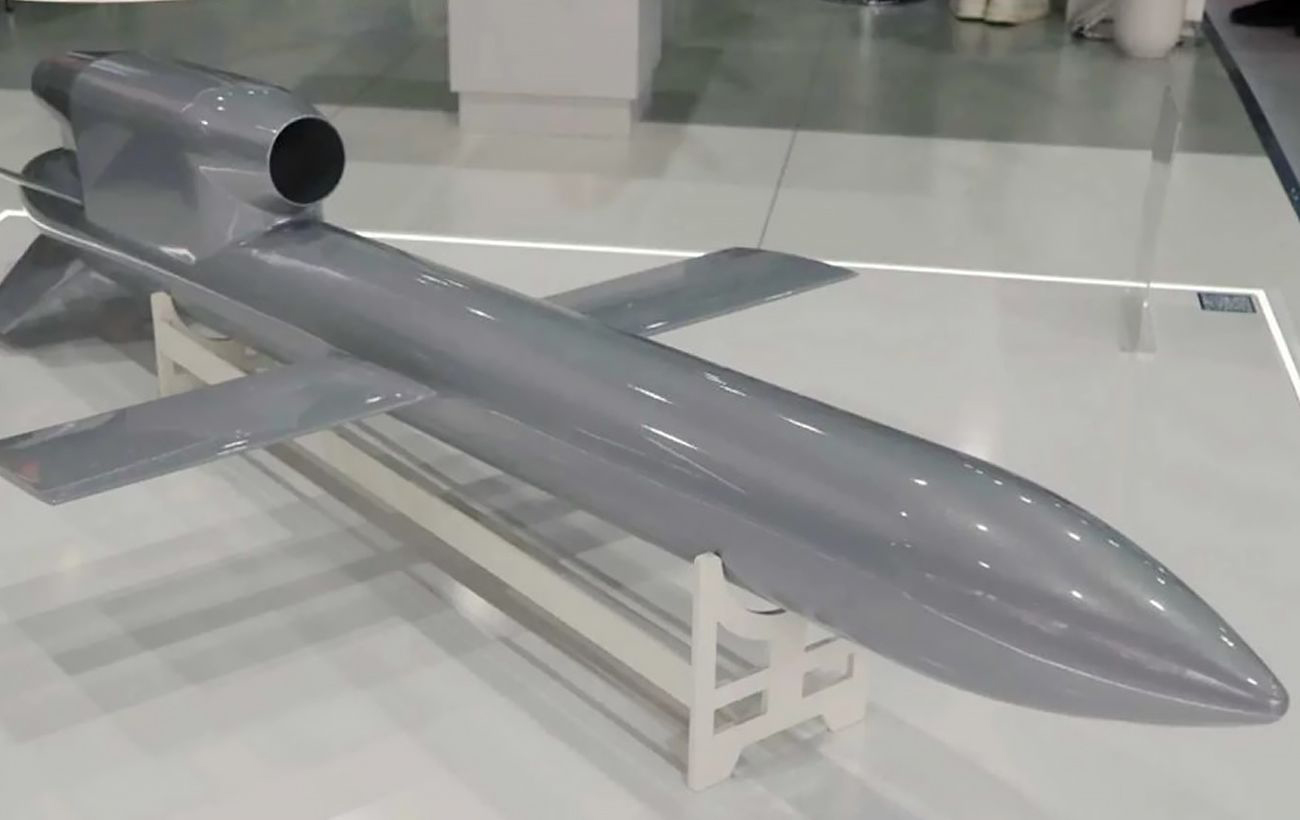
Photo: Flamingo missile
How many Flamingo missiles can Ukraine produce?
Serial production of the missiles began in mid-2025, initially at a rate of around 30 missiles per month. Under announced plans, monthly output was expected to reach 210 missiles.
However, on February 15, 2026, Ukrainian President Volodymyr Zelenskyy said production of the Flamingo missile had been significantly disrupted after a Russian missile strike destroyed a production line. Since then, production has been restored.
Targets hit by Flamingo missiles
According to media reports, the missiles were first used on August 30, 2025, in an attack on an FSB outpost in Crimea. Reports said at least three missiles struck the facility, damaging six hovercraft.
On September 23, 2025, the Ukrainian Armed Forces launched four Flamingo cruise missiles at a tool-making plant in Russia's Belgorod that manufactures equipment for the aviation industry. The strike triggered a fire in one of the workshops.
On November 13, 2025, Mykolaiv Regional Military Administration head Vitalii Kim said Ukrainian Flamingo missiles had been used against targets in the Russian city of Oryol.
In January 2026, Flamingo missiles struck the Kapustin Yar missile test range in Russia's Astrakhan region. Confirmed targets included hangars and infrastructure used for the pre-launch preparation of ballistic missiles, including the Oreshnik system.
On the night of February 12, 2026, the Ukrainian Armed Forces struck an arsenal used for the storage of missiles, ammunition, and explosives belonging to the Main Missile and Artillery Directorate (GRAU) of Russia's Defense Ministry. The facility is located near the settlement of Kotluban in Russia's Volgograd region and is considered one of the largest ammunition storage sites used by the Russian military.
On the night of February 20, 2026, cruise missiles hit the Votkinsk machine building plant, located about 1,400 kilometers from Ukraine's border. The enterprise manufactures ballistic missiles, including the Iskander, Oreshnik, and Topol-M systems.
In addition, on May 5, 2026, an FP-5 Flamingo cruise missile struck the VNIIR-Progress plant in the Russian city of Cheboksary. The company produces GNSS receivers and antennas for satellite navigation systems used in Russian Shahed-type attack drones, as well as in Iskander and Kalibr missiles.
Today, June 10, Zelenskyy also said that Ukrainian FP-5 Flamingo missiles had once again struck a military-industrial plant in Cheboksary that supplies the Russian army with components for drones and missiles.
Ukrainian Flamingo missiles destroy Russia's defense industry pic.twitter.com/7eTMSJIvS5
— RBC-Ukraine (@NewsUkraineRBC) June 10, 2026
Flamingo and Russian air defenses
According to Denys Shtilerman, co-founder of Fire Point, the missile's unconventional design makes it significantly more difficult for air defense systems to intercept.
"The missile approaches at a sharp angle rather than diving from above, making it harder for Russian air defenses to detect and react quickly. However, such a flight profile requires perfect intelligence data. Designers need to know the exact height of every building," Shtilerman said.
He also noted that the missile's composite airframe significantly reduces the Flamingo's radar signature.
There is no publicly available data on how many Flamingo missiles Russia has managed to shoot down or which air defense systems were used against them. However, it is known that during the first attack on Cheboksary, six missiles were launched, while only one FP-5 reportedly reached its target.
At the same time, several missiles struck the same facility during last night's attack. Russian media, meanwhile, claimed that four Flamingo missiles had been shot down over Russian territory.
In the early hours of Wednesday, June 10, at least two explosions were reported in the Russian city of Cheboksary. Following the missile strike, large plumes of smoke were seen rising from the area of one of the production facilities.