First three supertankers transit Hormuz after US-Iran ceasefire deal

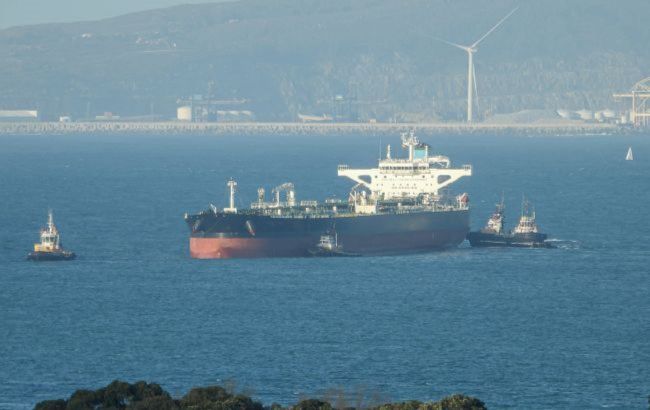 One of the vessels is expected to arrive at its final destination on April 21 (photo: Getty Images)
Three supertankers passed through the Strait of Hormuz on April 11. These were the first vessels to leave the Gulf after the conclusion of a two-week ceasefire agreement between the United States and Iran, Reuters reports.
According to LSEG data, the Liberia-flagged Very Large Crude Carrier (VLCC) Serifos and China-flagged VLCCs Cospearl Lake and He Rong Hai entered and exited the "trial anchorage" in the Strait of Hormuz near Iran's Larak Island.
Serifos is carrying oil loaded in early March from Saudi Arabia and the UAE. The tanker is expected to arrive at Malaysia's port of Malacca on April 21.
Each of the three vessels can carry up to 2 million barrels of oil.
War, Hormuz Strait, talks
On February 28, the United States and Israel launched a military operation against Iran, which lasted more than a month. Afterward, Tehran almost immediately blocked the Strait of Hormuz, through which about 20% of global oil and liquefied natural gas supplies pass.
This week, US President Donald Trump, with mediation from Pakistan, agreed to a two-week ceasefire with Iran. In exchange, he demanded the reopening of the Strait of Hormuz, and during the ceasefire period, the sides are expected to agree on a final peace deal.
Iran initially reopened the strait but closed it again shortly afterward after Israeli strikes on Lebanon, which Pakistan said also fell under the ceasefire terms. However, media reports today suggested another reason: Iran is reportedly unable to detect its own naval mines and lacks the capability to neutralize them.
Amid this, US President Donald Trump said that Washington has begun mine-clearing operations in the strait. The US Central Command later confirmed that two American destroyers passed through the waterway as part of a mine-clearing mission.
At the same time, negotiations between the United States and Iran are taking place in Pakistan on April 11, with an American delegation led by US Vice President JD Vance.
However, according to the Financial Times, the talks have reached an impasse over the Strait of Hormuz. Iran insists on maintaining control over the strait and rejects the idea of US joint control. Media reports suggest the talks are expected to continue overnight and may extend into tomorrow.