Ex-MI6 head exposes actual deadline for Ukraine-Russia agreement

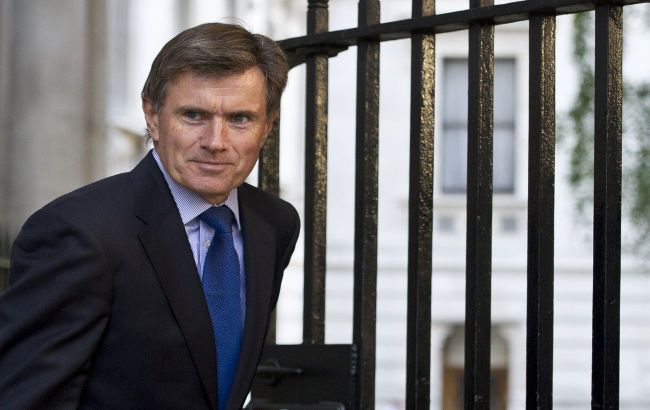 Photo: Former MI6 chief John Sawers (open sources)
Peace negotiations between Ukraine and Russia could begin in 2027. At the same time, a serious agreement between the parties is unlikely to be reached by next spring, states former head of British intelligence MI6 John Sawers.
According to Sawers, Ukraine and Russia face a difficult winter. However, the accumulation of military and economic losses could create conditions for the start of negotiations next year.
He believes that it is hardly worth speaking about a serious agreement between Kyiv and Moscow by spring 2027. At the same time, Sawers emphasized that stable peace is practically impossible as long as Russian leader Vladimir Putin remains in power.
Sawers' forecast on the operation
In the opinion of the former MI6 chief, the most realistic outcome in the near term may not be a full-fledged peace agreement, but a return to the level of hostilities seen after 2014.
Sawers believes that the nearest realistic goal can only be a reduction in the intensity of combat operations.
What could push Russia to negotiate
Sawers' statements came against the backdrop of the visit to Moscow by special envoys of US President Steve Witkoff and Jared Kushner. President Donald Trump stated that they arrived in Russia with a proposal to end the war.
At the same time, Trump did not disclose details of the American plan and did not report whether the Kremlin was ready to agree to any compromises.
Sawers positively assessed the very fact of dialogue between Washington and Moscow. He stated that the US should continue contacts with Putin, although he expressed doubts about the effectiveness of American negotiators.
In his opinion, the main problem remains the excessive demands of the Russian leader.
The former MI6 chief believes that an opportunity for effective ceasefire negotiations may arise in 2027. For this, he said, the price of war for both sides must rise, and Russian troops must not resume their previous pace of advance on the front.
And here Moscow may be more interested in finding a way out of the war.
Sawers said that questions about the war in Ukraine and the need for Russia to find a way out of it were being raised more frequently within the country.
As one of the signals, he cited events last month when the Kremlin dismissed the chief economist of one of the largest state financial institutions following his statement on the consequences of Ukrainian strikes.
The economist then noted that losses from Ukrainian attacks were already turning into a noticeable macroeconomic obstacle to the growth of the Russian economy. In Sawers' opinion, such statements indicate that the price of war is being discussed more openly within the Russian system.
Sawers drew attention to problems in Ukraine
At the same time, the former MI6 chief noted that problems are also arising within Ukraine.
According to him, politicians and other influential figures have appeared in the country who are beginning to question the authority of President Volodymyr Zelenskyy.
Last month, Zelenskyy dismissed one of his chief aides after her home was searched by anti-corruption authorities.
RBC-Ukraine has written about the meeting and its outcomes involving US special envoys in Moscow. This refers to US Presidential Assistant Steve Witkoff and Trump's son-in-law Jared Kushner, who had a conversation with the Russian leader the day before.