Europe offsets US military drawdown in NATO

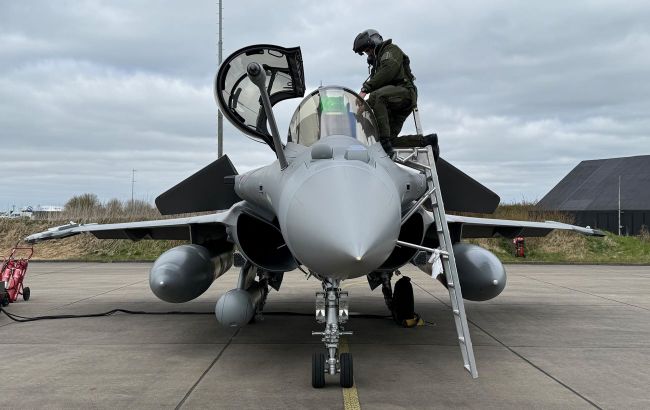 All 32 NATO countries intend to spend 3.5% of GDP on defense (Photo: Getty Images)
European NATO allies have largely filled the resources that the US excluded from its plans for a war in Europe, states Deputy Supreme Allied Commander Europe John Stringer.
The assurance came on the eve of the NATO summit, which will take place next week. At the meeting, allies will try to smooth over recent statements that suggest Washington is moving away from the policy being pursued on the continent.
“European allies have definitely stepped up in terms of backfilling the adjustment in the US forces in Europe," Stringer said, adding that this was a demonstration of a stronger Europe within a stronger NATO.
As is known, the US recently announced a large-scale reduction in the number of troops it would send to Europe in the event of war or crisis. This prompted NATO to ask European countries to provide data on troops not yet committed within the alliance.
Stringer, for his part, said that in categories where Europe cannot provide equivalent forces, they will seek to achieve a similar effect through other means.
"Burden-sharing and burden-shifting is now being done in a sensible, proportionate way, absolutely driven by military logic," he said, emphasizing the readiness of European allies for a change in US priorities and commitments.
He also noted that all 32 NATO countries have agreed that by 2035, they will reach 3.5% of GDP in spending on core defense needs.
“NATO will expect all nations, including the UK, to live by their commitments," he concluded.
What else is known
Recently, US Commander of NATO Army Forces in Europe Chris Donahue stated that the US would not abandon European allies if Russia were to launch an invasion of the Baltic states. He emphasized that all NATO members are already actively preparing to repel a potential enemy attack.
According to Politico, Europe will increasingly seek to rely on itself in defense matters, reducing dependence on the US. At the same time, countries have doubts about the continent's ability to defend itself against an attack.