Europe confident Russia is not preparing attack on NATO - Bloomberg

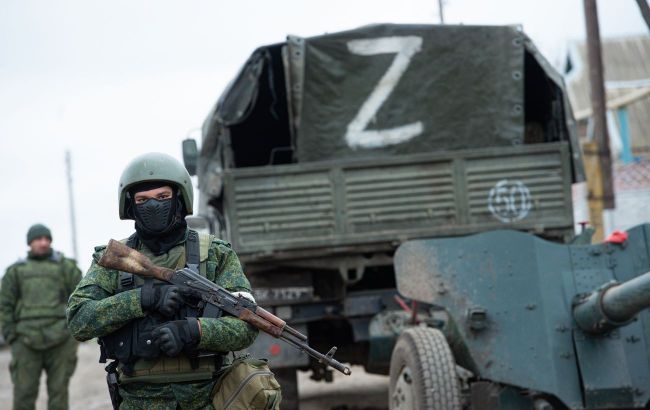 Photo: Europe sees no threat of a Russian invasion (Getty Images)
European officials are convinced that there is currently no evidence that Russia is preparing for a conventional military attack on NATO countries or the Baltic states, according to Bloomberg.
CIA director's visit to Moscow
According to the outlet, assessments by European officials contradict media speculation that preventing an attack on the Baltic states was the main purpose of CIA Director John Ratcliffe's surprise trip to Moscow.
According to sources, the official's visit focused primarily on:
- Ending the war against Ukraine;
- Reaffirming NATO's commitment to its Article 5 collective defense obligations;
- The situation surrounding the war in Iran and persuading Moscow to stop supporting Tehran;
- Preventing an excessive Russian response to new US economic measures against Iran.
In recent months, NATO allies have been actively discussing stronger intelligence and military cooperation with Russia to avoid mistakes and misunderstandings amid a rise in hybrid attacks.
The White House declined to comment on the details of the trip.
Meanwhile, when asked about a possible warning to Russia against attacking NATO territory, US President Donald Trump briefly said that "they (Russia) are not going to attack."
Threat assessment for the Baltic states
Despite intelligence warnings that Russian security services are exploring opportunities for infrastructure sabotage and false-flag operations in Poland and the Baltic states, current data show no changes in the deployment or positions of Russian troops.
The heads of government and defense ministries of Estonia, Latvia and Lithuania also confirmed that the level of military threat in the region remains unchanged.
Hybrid pressure and the situation on the front
Despite the lack of signs of a direct attack on the Alliance, Europe continues to suffer from Russian hybrid operations.
Recent incidents include armed drones entering airspace, acts of sabotage and arson in countries providing military and financial assistance to Ukraine.
Amid limited progress on the battlefield, Russian President Vladimir Putin has responded by intensifying strikes on Ukrainian cities and critical infrastructure, preparing a powerful air campaign for the winter.
At the same time, the Russian economy is coming under increasing strain and is being forced to impose strict spending restrictions due to the high cost of the war.
NATO threat and defense concepts
Earlier, NATO allies repeatedly assessed the threat of a direct military confrontation with Russia.
In particular, US President Donald Trump said he was not concerned about the threat of a Russian attack on NATO countries.
At the same time, the Alliance itself is preparing for any possible scenario.
In particular, the military leadership has developed a step-by-step NATO plan in case of a Russian attack, detailing the sequence of actions in the event of missile strikes or a ground invasion.