EU urges Belgium to unfreeze Russian assets for Ukraine: Politico learns response

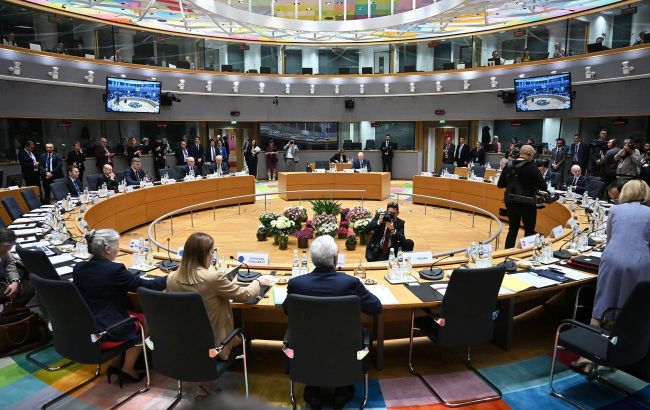 Illustrative photo: the guarantees already offered to Belgium by the EU are insufficient (Getty Images)
The European Commission has proposed that Belgium unblock the provision of a €210 billion reparations loan to Ukraine, to be financed from frozen Russian assets. However, Brussels has still not dared to take this step, according to Politico.
Brussels’ decision calls into question the possibility of reaching an agreement on providing Ukraine with a loan ahead of the EU leaders’ summit on Thursday, December 18.
To secure Belgium’s support, the European Commission proposed legal changes to its initiative. In particular, in the event of legal claims or possible pressure from Russia, the country would be guaranteed the ability to use up to €210 billion.
In addition, it is proposed that funds not be disbursed to Ukraine until the European Union secures financial guarantees for at least half of the payments. EU member states would also have to terminate bilateral investment agreements with Russia so as not to leave Belgium alone in the event of possible pressure from the aggressor country.
Four European diplomats told Politico that these guarantees are insufficient for Belgium.
"There will be no deal until EUCO (European Council)," one source said.
The outlet notes that Belgium fears it could be required to repay the entire amount if frozen Russian assets are used and the Kremlin challenges the transfer of these funds.
Frozen Russian assets
On Friday, December 12, EU member states agreed to freeze Russian assets worth €210 billion for an indefinite period. This means the decision will no longer need to be renewed every six months.
In addition, for several months now, the European Union has been considering the possibility of providing a reparations loan backed by Russia’s frozen assets.
However, Belgium is opposing this decision, as most Russian assets are held there — around €140 billion.
Belgian Prime Minister Bart De Wever is demanding that the EU provide risk protection for Euroclear. Among the conditions is the provision of the necessary resources in case Russia imposes sanctions.
On Monday, December 15, EU High Representative for Foreign Affairs and Security Policy Kaja Kallas said that negotiations on a reparations loan for Ukraine funded by frozen Russian assets are "becoming increasingly difficult."