EU launches toughest migration reform in decade

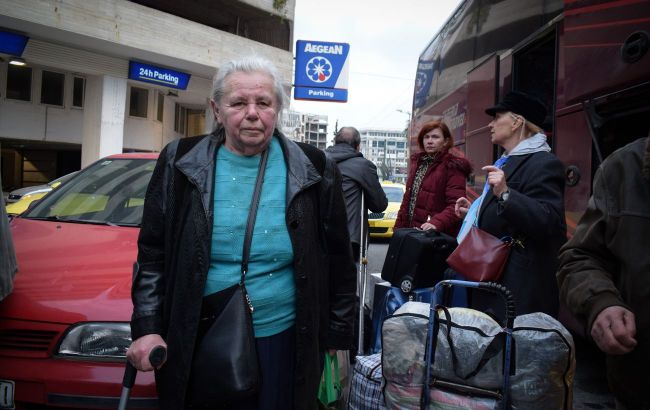 Illustrative photo: migrants at the EU borders (Getty Images)
EU countries have agreed on stricter rules for granting asylum and returning migrants, paving the way for one of the most comprehensive migration reforms in recent years, Reuters reports.
The decision introduces a new system for assessing asylum applications, expands the list of "safe countries of origin," and establishes common rules for returning migrants who are not granted protection in the EU.
This was outlined in official statements from the EU Council published on December 8.
Despite sharp criticism from over 200 civil society organizations, most of the provisions proposed by the European Commission have effectively become the basis for future legislation.
At the same time, member states agreed on a "solidarity pool" for 2026, which provides for the redistribution of 21,000 people or financial assistance of €420 million to countries most affected by migration flows.
After the Council approves its position, a difficult negotiation phase with the European Parliament is expected, as it has not yet finalized its stance. However, judging by current documents, Brussels is already close to adopting the most extensive migration reform in the last decade.
What EU countries have agreed on
New asylum rules. A member state will be able to reject an asylum application if the person could theoretically receive protection in a "safe third country." This allows certain countries to transfer the processing of applications to states recognized as safe by the EU.
"Denmark and a majority of EU member states have been advocating for asylum processing in safe third countries in order to remove the incentives to embark on dangerous journeys to the EU," said Denmark's Minister for Migration, Rasmus Stoklund.
Common list of safe countries. The list now includes:
-
EU candidate countries
-
Bangladesh, Colombia, Egypt, India, Kosovo, Morocco, and Tunisia
This means that citizens of these states are more likely to be denied asylum.
New system for returning illegal migrants. The EU agreed on a regulation establishing common deportation rules, including obligations for individuals issued a return order.
Key changes:
-
Migrants who refuse to leave voluntarily may face imprisonment
-
EU countries can create special "return hubs" where individuals are held until deportation
Strong criticism from human rights groups
Amnesty International said the EU approach dehumanizes migrants and mirrors the harshest US practices.
"These punitive measures amount to an unprecedented stripping of rights based on migration status and will leave more people in precarious situations and legal limbo," said Olivia Sundberg Diez, Amnesty's migration expert.
It should be noted that after the war, Ukraine will need to attract labor migrants, as the labor shortage is already critical and will only deepen.
RBC-Ukraine also reported that Ireland is reducing the period of free stay for Ukrainians and introducing new financial conditions for those working.
Meanwhile, the UK plans to implement radical changes to its asylum system, including proposals to limit the length of time refugees can stay in the country.