EU fails to agree on 20th sanctions package against Russia, diplomats say

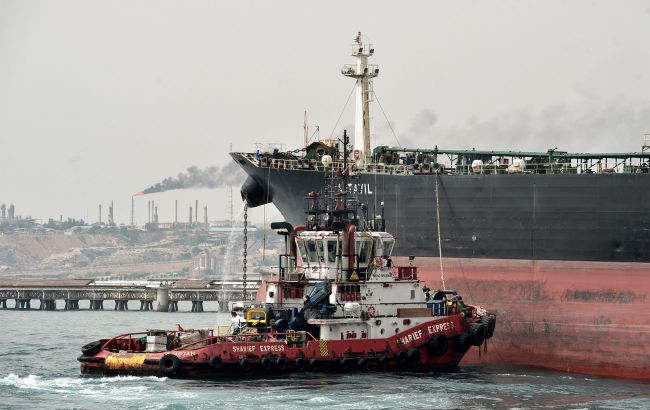 EU failed to agree on anniversary sanctions against Russia (photo: Getty Images)
Representatives of European Union member states today, February 20, failed to agree on the 20th package of sanctions against Russia, The Guardian reports.
Read also: Several EU countries call for easing 20th sanctions package against Russia – Bloomberg
According to Reuters sources, ambassadors of European Union countries failed to agree on new sanctions against Russia.
It is noted that they may meet again over the weekend to discuss proposed sanctions before the meeting of European Union foreign ministers.
It was planned that at the meeting of foreign ministers, which will take place this Monday, February 23, the sanctions package should already be approved.
What is known about the 20th sanctions package against Russia
On February 6 European Commission presented a draft of the 20th sanctions package against Russia, which is planned to be approved by February 24 — fourth anniversary of the full-scale invasion.
Its main blow is aimed at the energy and financial system: it is proposed to introduce a total ban on maritime services for Russian oil and expand the sanctions list of the shadow fleet to 640 vessels.
In addition, the European Union intends to make it harder for Moscow to purchase new tankers to bypass restrictions, as well as introduce a ban on maintenance and provision of a number of services to liquefied gas tankers and icebreakers.
However, this week, European Commission proposals for sanctions against foreign ports and banks that help Russia illegally sell oil faced resistance within the bloc.
According to media reports, several European capitals expressed concern over proposals to impose restrictions on strategic ports in Georgia and Indonesia as part of the 20th sanctions package against Russia.
In addition, according to sources, Italy and Spain oppose sanctions against banks in Cuba. This is the only financial institution on the island that works with foreign currencies and serves diplomats and European Union citizens.