EU demands 'full clarity' from Trump over new trade tariffs

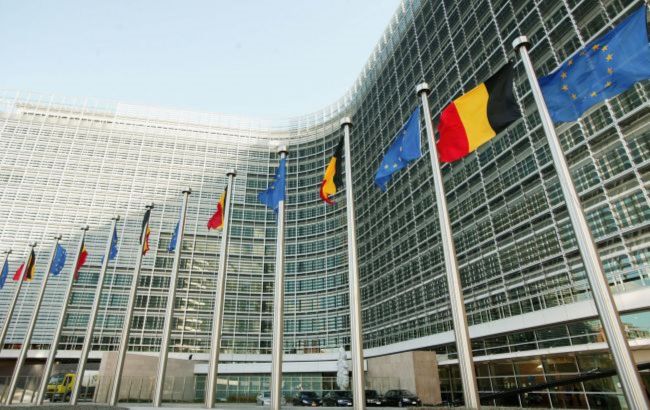 European Commission demands the US strictly honor trade deal (photo: Getty Images)
The European Commission has called on the US to fully respect the existing trade agreement and to refrain from increasing tariffs on European products following a US Supreme Court decision.
Read also: Trump vs. Supreme Court: President finds loophole for global tariffs
Demand on Washington
According to the Commission's statement, the White House must provide full clarity on its next steps.
Brussels stressed that the new tariffs imposed by President Donald Trump violate the principles of transatlantic trade previously agreed upon.
"The current situation is not conducive to delivering 'fair, balanced, and mutually beneficial' transatlantic trade and investment... A deal is a deal," the Commission said.
The EU insists that European exports must continue to benefit from preferential treatment without unpredictable tariff spikes.
"EU products must continue to benefit from the most competitive treatment, with no increases in tariffs beyond the clear and all-inclusive ceiling previously agreed," the statement added.
Dispute details
According to EU sources, tensions escalated after the US Supreme Court struck down Trump's previous global tariffs. In response, the US president imposed new temporary duties of 10%, which were quickly raised to 15%.
This move jeopardizes last year's agreements, under which the US had limited tariffs on EU goods and Brussels had agreed not to impose retaliatory duties on American products.
Trump's tariff escalation
The trade conflict escalated after Donald Trump moved to bypass a US Supreme Court ruling that had struck down his previous global tariffs. The president found legal mechanisms to impose new duties despite the court decision.
Immediately following this, Trump announced another tariff hike, raising the rate from 10% to 15%.
These actions by the US administration have already sparked serious concern in global markets and drawn criticism from key trading partners, particularly the European Union.