Trump vs. Supreme Court: President finds loophole for global tariffs

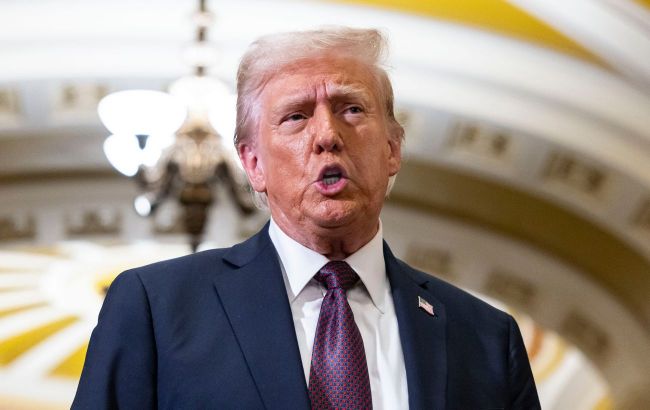 Photo: Donald Trump, President of the United States (Getty Images)
The US is implementing new global tariffs of 10%. These restrictions follow a high-profile decision by the US Supreme Court, US President Donald Trump made this statement during a conversation with journalists.
New tariffs
After the Supreme Court overturned the "old" tariffs, the US leader emphasized that there are alternative ways to implement such measures that "could potentially generate more revenue."
He clarified that the new ways of imposing tariffs were "approved by the Supreme Court's decision."
"Today I will sign an order to impose a 10-percent global tariff under Section 122 (of the Trade Act) over and above our normal tariffs," the US leader said.
Section 122 gives the US president the authority to impose temporary tariffs of up to 15% or import quotas if the country faces serious balance-of-payments problems (deficit, threat to the currency market, capital outflow).
Unlike the previous tariffs introduced by Trump, the new tariffs can last no longer than 150 days unless Congress approves their extension.
According to the US president, the Supreme Court’s decision has made the president’s ability both to regulate trade and impose tariffs stronger and more clearly defined.
Attacks on the Supreme Court
At the same time, the US leader said he was ashamed of the Supreme Court justices who opposed his tariffs.
"They’re against anything that makes America strong, healthy and great again. They also are a frankly, disgrace to our nation, those justices," he said.
Notably, even the justices appointed by Trump during his first presidential term voted to overturn the tariffs.
US Supreme Court ruling
Earlier, the US Supreme Court ruled that the sweeping tariffs imposed by President Donald Trump on most countries around the world were unlawful. In a 6–3 decision, the justices determined that the unilateral imposition of tariffs exceeded presidential authority.
Chief Justice John Roberts stressed that for such actions, the president must have clear authorization from Congress, and that citing the International Emergency Economic Powers Act of the 1970s is insufficient in this context.