EU builds legal framework to hand over frozen Russian funds to Ukraine

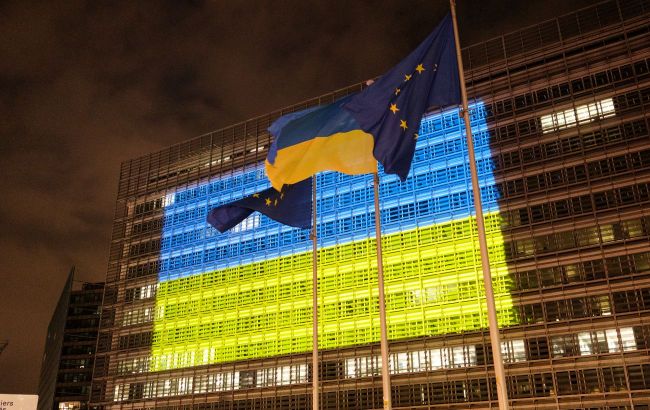 Brussels (Photo: Getty Images)
The European Commission is seeking a legal mechanism to unlock Russian assets for the benefit of Ukraine, while facing Belgium’s concerns over potential financial risks, according to a report by Politico.
Commission’s plan to provide a loan to Ukraine
The European Commission is proposing a legal solution to ease Belgium’s doubts about using €140 billion in frozen Russian assets as a loan for Ukraine.
Ahead of the European Council summit, EU member states must agree on this step, but Belgium fears that if the funds ever need to be returned, it may have to cover the costs on its own.
Legal innovations and bypassing vetoes
A legal framework is currently being developed that, according to officials, would prevent a situation in which an individual EU country - such as Hungary or Slovakia - could block the extension of sanctions against Moscow.
The Commission intends to rely on Article 122 of the EU Treaty, which allows action in a spirit of solidarity among member states. This would enable decisions to be adopted by a qualified majority, removing the possibility of a veto by individual countries.
Impact on sanctions policy
EU legal experts confirm that a flexible interpretation of Article 122 justifies revising unanimity requirements. This could also reduce the frequency of votes on extending sanctions from every six months to once every three years, ensuring greater stability and lowering the risks to financial support for Ukraine.
Risk for Ukraine’s budget
Time is a critical factor: without an agreement, Ukraine will be left with a limited defense budget until April.
Otherwise, the costs will fall on EU taxpayers, while Russia’s frozen billions will remain inaccessible.
The key question is whether the new legal strategy will persuade Belgium’s prime minister to allow the release of funds held at Euroclear in Brussels.
The Vatican is highlighting international efforts to end the war in Ukraine and stresses the importance of European countries participating in the development of an effective and long-term peace solution.
Additionally, the European Commission is considering placing several shadow-fleet tankers on separate sanctions lists if the 20th sanctions package is not adopted before the New Year.