Russia sanctions update: EU may target shadow fleet tankers in separate lists this year

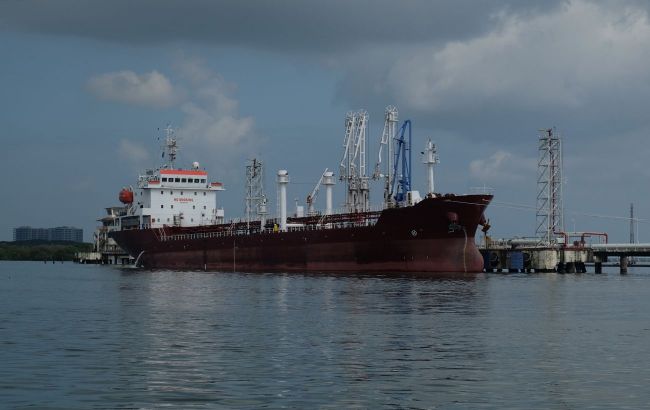 Oil tanker (Photo: Getty Images)
The European Commission may add several tankers from the shadow fleet to separate sanctions lists if it does not manage to approve the 20th sanctions package before the New Year, according to remarks by Advisor Commissioner of the President of Ukraine for Sanctions Policy, Vladyslav Vlasiuk.
Vlasiuk said there are two possible scenarios for the EU’s 20th sanctions package: either it is adopted before the New Year, or a Plan B is applied.
“As of December 2, we still haven’t seen a finalized draft of the 20th sanctions package. The window for approval is essentially the December 19 meeting. After that -Christmas, New Year - and then we’re already into January,” he said.
Vlasiuk noted that if the package is finalized by the end of this week or early next week, taking into account the proposals from the Ukrainian side, there is a chance it will be adopted this year.
“If not, then we enter the new year with the 20th sanctions package still pending. In that case, we move forward with ‘Plan B.’ There is a preliminary agreement that the European Commission will try to add a certain number (I believe a large number) of oil tankers from the shadow fleet to the sanctions list, and possibly some other items. They won’t call it a full-fledged sanctions package, but they will still try to implement some sanction listings before the end of the year,” Vlasiuk said.
He emphasized that Ukraine has provided partners with all necessary information regarding the shadow fleet tankers, as well as their captains, operators, oil recipients, and refineries.
20th package of sanctions against Russia
Meanwhile, Politico reports that the European Union may adopt the 20th package of sanctions against Russia in January. Discussions are expected to begin after the New Year holidays.
One European official quoted by the outlet said that the matter is currently not a priority.
Sources said that informal discussions are taking place within preparatory bodies regarding the new sanctions package, particularly concerning potential listings, but this is described as standard preparatory work.
In October, the European Union officially approved a new, already the 19th, package of sanctions against Russia. The measures aim to reduce the Kremlin’s revenues and prevent sanctions evasion through third countries.