Estonia finds way to make Russia pay for Ukraine's reconstruction

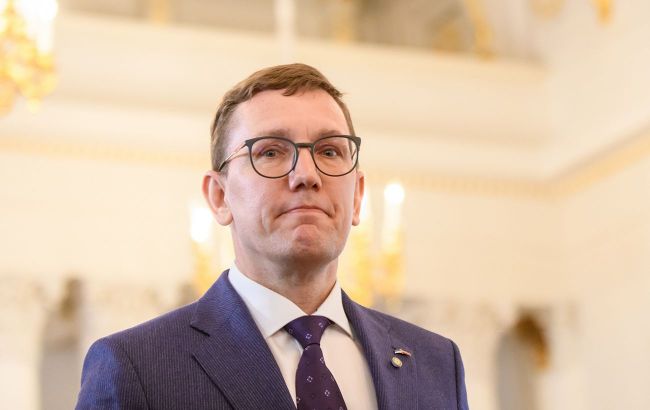 Photo: Kristen Michal (Getty Images)
Estonian Prime Minister Kristen Michal has proposed that the EU impose tariffs on Russian goods, including steel and fertilizers, and use the proceeds to support Ukraine’s recovery, Politico reports.
The EU has introduced a range of sanctions, bans, and duties against Russia since the start of the full-scale invasion.
However, the bloc has not yet raised tariffs with the specific aim of generating funds to support Ukraine. The idea of using trade policy for security purposes remains controversial within the EU.
In November, seven countries, including Estonia, had already called for tariffs on Russian steel and fertilizers. However, the initiative stalled and was not included in the 20th sanctions package.
"We need to tariff the goods from Russia to pay off the damages. This has been the talk in different kinds of corridors and different meetings, that different kinds of tariffs on Russian goods could fund the reconstruction of Ukraine," Kristen Michal said.
Frozen assets are not enough
Michal also noted that the available financial resources will not be sufficient for Ukraine’s postwar reconstruction. He said that even €210 billion in frozen Russian assets would not cover all the costs of rebuilding Ukraine’s infrastructure.
In addition to economic pressure, the Estonian Prime Minister once again urged the EU to update its visa rules. The goal is to fully ban entry to the bloc for Russian soldiers.
"They are criminals, they will be looking for a job in private armies, in different places. So this is a question about our domestic security … If you are involved in this kind of aggression against Ukraine, then please stay in Russia," he said.
On April 23, the European Union officially approved its 20th sanctions package against Russia, the largest in the past two years.
In particular, 36 entities in the energy sector were targeted. In addition, the bloc imposed restrictions on 46 vessels from Russia’s shadow fleet, which are now officially banned from accessing EU ports.
The sanctions package also includes a ban on servicing Russian icebreakers, as well as tankers used to transport liquefied natural gas (LNG).