Estonia and Latvia want Europe back at negotiating table on Ukraine

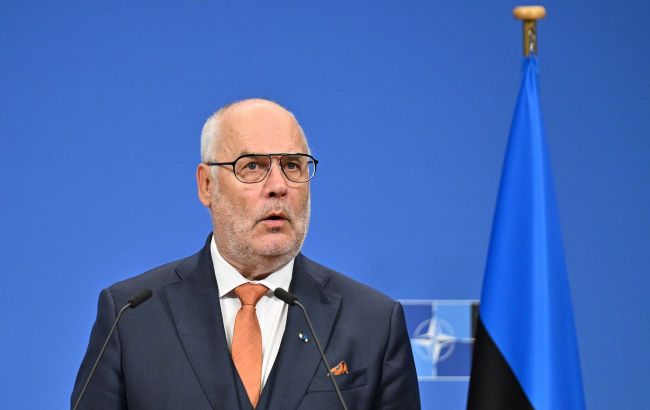 Photo: Alar Karis, president of Estonia (Getty Images)
Estonia and Latvia have called for the resumption of talks between Europe and Russia. In particular, they want European countries to take part in peace negotiations concerning Ukraine, Latvian Prime Minister Evika Siliņa and Estonian President Alar Karis made these statements in separate interviews with Euronews.
Read also: Macron's office says preparations underway for possible talks with Putin
"I think you need to engage in diplomacy. You always need to talk, but we need to isolate and still have sanctions on Russia," Siliņa said.
According to her, the European Union should be at the negotiating table since Ukraine has engaged in dialogue with Russia.
She suggested that the representatives could be:
-
French President Emmanuel Macron;
-
German Chancellor Friedrich Merz;
-
Polish Prime Minister Donald Tusk;
-
UK Prime Minister Keir Starmer.
Estonian President Alar Karis did not mention specific names but said the envoy should come from a major European country and have "authority with both sides."
"We should have a say as well, but you see, we are a bit late. We should have started it, maybe not President Trump, but maybe the European Union, to start also finding diplomatic solutions to this. A couple of years ago, we were in a position that we didn't talk with aggressors, and now we're worried that we are not (at) the table," the Estonian President stated.
Contacts between Europe and Putin
In December, French President Emmanuel Macron stated that Europe needs to find a way to engage directly with Russian dictator Vladimir Putin in order not to be sidelined in the peace process, which is currently being actively promoted by the United States.
According to Macron, Europeans and Ukrainians are interested in establishing a framework that would allow them to be full participants in the discussions, rather than relying solely on American negotiators.