End of Orbán era? Pre-election polls show decisive advantage for opposition

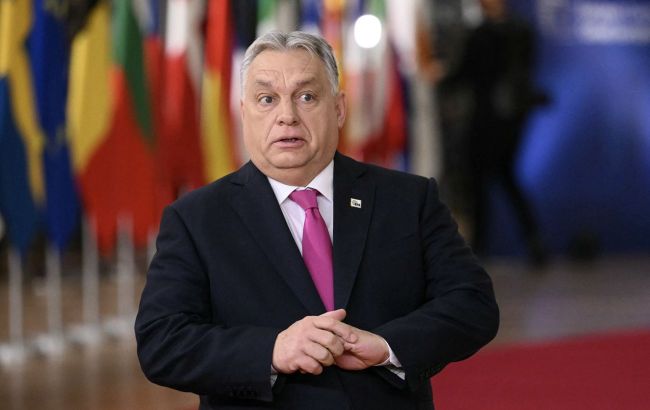 Photo: Hungarian Prime Minister Viktor Orbán (Getty Images)
The opposition party Tisa has a chance to win two-thirds of the seats in the Hungarian parliament in the elections, which would allow it to amend the constitution and key laws, Reuters informs.
According to estimates by Median, based on an analysis of the five most recent polls, Tisa could win between 138 and 142 seats in the parliament, which has a total of 199 deputies. To secure a constitutional majority in Hungary, a party needs at least 133 mandates.
If this scenario materializes, the center-right force led by Peter Magyar would gain the ability to amend the constitution and a number of key laws, which, among other things, could be significant for unfreezing European Union funds.
For Viktor Orbán and his party, Fidesz, this could become the most serious blow in the past 16 years. According to forecasts, the ruling party may secure only 49–55 seats. An additional five or six mandates are expected to go to the far-right party Our Homeland (Mi Hazank).
Since 2010, Fidesz has held a two-thirds majority in parliament for most of the time. It was precisely thanks to this advantage that Orbán’s team adopted a new constitution and repeatedly amended basic laws, including electoral legislation.
Median is considered one of the most accurate polling firms in Hungary. The agency noted that the five polls underlying the current forecast covered a total of 5,000 respondents and were conducted by three separate call centers.
The company also correctly predicted Orbán’s convincing victory in the previous elections four years ago, although it slightly overestimated opposition support.
Hungarian elections
Еhe election campaign in Hungary is taking place against the backdrop of high-profile scandals and allegations of external interference.
In particular, Politico reported that Viktor Orbán is already preparing a plan of action in case of his defeat, while in Brussels, scenarios are being discussed to respond even to a possible victory in order to avoid decision-making gridlock in the European Union.
Against this backdrop, the opposition accuses Orbán of using provocations and attempting to mobilize voters through the image of an external enemy, including Ukraine.
The campaign has gained additional attention due to reports by The Washington Post about Russia allegedly preparing a staged assassination attempt on the Hungarian prime minister, as well as public statements by the leader of Tisa, Peter Magyar, about the possible presence of agents of Russia’s GRU in the country.