Eating blueberries wrong? Pair them with these foods for maximum benefits

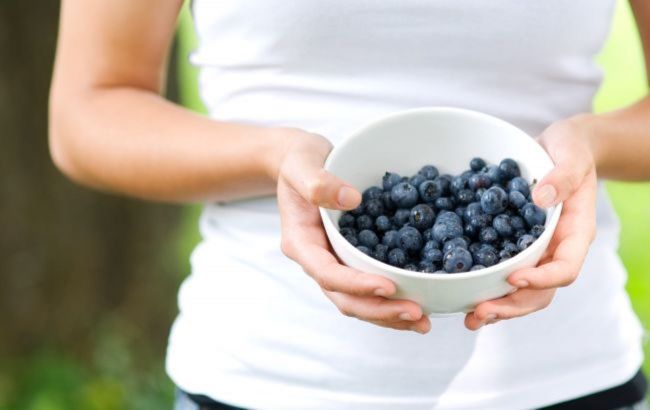 Experts revealed the right way to eat blueberries (photo: magnific)
Absorption secret: Pair blueberries properly
Most people are used to eating blueberries on their own as a dessert or light snack. However, nutritionists say this approach does not allow the body to fully absorb all of its key nutrients. The reason is that blueberries are especially rich in vitamin K, which is fat-soluble.
That means without the right dietary fats, much of it may pass through the digestive system without being fully absorbed. In addition, their powerful antioxidants may work more effectively when consumed alongside protein.
That is why the ideal option is to combine fresh or frozen blueberries with full-fat natural yogurt, cottage cheese, or a handful of your favorite nuts.
This kind of combination helps maximize nutrient absorption and ensures you get the most out of every serving.
Research also suggests that regularly eating at least three half-cup servings of blueberries or strawberries per week may provide the greatest cardiovascular health benefits.
Frozen or fresh: What actually destroys vitamins
Another common question among healthy-eating enthusiasts is whether blueberries lose their nutritional value after being frozen for a long time.
Clinical studies show that blueberries frozen at peak ripeness retain their entire antioxidant content at levels comparable to fresh berries for up to six months.
Although the texture becomes softer after thawing, they can safely be blended into smoothies. This mechanical process does not damage the fiber or valuable vitamins.
What truly harms this delicate berry, however, is heat treatment. Baking blueberries into morning muffins or pies, or turning them into traditional sweet jam, can significantly reduce their nutritional value.
High temperatures destroy many of the beneficial nutrients, leaving mostly flavor and sugar behind.
Brain-boosting youth elixir, weight-management ally
Blueberries' main biological value comes from their high concentration of anthocyanins. These powerful antioxidants help neutralize free radicals and reduce harmful oxidative stress at the cellular level.
Large-scale medical studies have shown impressive results: regular consumption of anthocyanin-rich foods is associated with a significantly lower risk of developing Parkinson's disease.
Another major study found that these blue berries may help slow age-related cognitive decline and support memory health.
Blueberries may also be especially helpful for people aiming to maintain a healthy weight.
One standard cup of blueberries (about 150 grams) contains just 96 calories and 3.6 grams of beneficial dietary fiber while remaining relatively low in natural sugars.
One study involving twins found that the twin who regularly consumed more blueberries had significantly lower body fat levels. Blueberries may also help reduce levels of bad LDL cholesterol and inflammatory markers in the blood.
People who make blueberries a regular part of their daily diet are less likely to gain weight with age and may face a lower risk of developing type 2 diabetes.
This material is for informational purposes only and should not be used for medical diagnosis or self-treatment. Our goal is to provide readers with accurate information about symptoms, causes, and methods of detecting diseases. RBС-Ukraine is not responsible for any diagnoses that readers may make based on materials from the resource. We do not recommend self-treatment and advise consulting a doctor in case of any health concerns.