Czech PM: Budget can't fund Ukraine loans, military aid under review

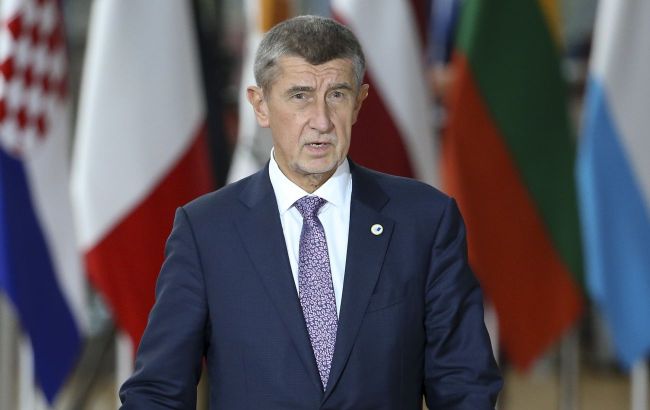 Photo: Czech Prime Minister Andrej Babiš (Getty Images)
The Czech government stated that while Prague supports Ukraine, it is not willing to act as a guarantor for Ukrainian loans. Officials emphasized that funds from the Czech budget are limited, Denik reports.
"We can no longer give money to Ukraine from the Czech budget because we don’t even have enough for school cooks. A guarantee is effectively a debt, as it’s clear Ukraine will never be able to repay this money," Czech Prime Minister Andrej Babiš said in an interview with Denik.
He added that total aid to Ukraine has already reached €377 billion — €187 billion previously, €100 billion from the new EU Multiannual Financial Framework, and another €90 billion in loans. Czechia contributes €60–62 billion crowns (up to €2.5 billion) annually to the EU budget, which also supports Kyiv.
Babiš signals review of military support
The Prime Minister said he first learned the details of the ammunition supply initiative at a meeting with the director of the Intergovernmental Defense Cooperation Agency on December 22. Czechia’s National Security Council will discuss the issue on January 7.
"Perhaps the initiative has good intentions, but I want to make sure everything is transparent, corruption-free, and that no one exploits the war at Ukraine’s or allied budgets’ expense. The main priority is to stop the conflict," Babiš said.
He also announced plans to review the F-35 fighter jet procurement contract.
Earlier, the Czech Ministry of Defense stated that the country would continue the ammunition initiative and that purchasing F-35s would enhance the army’s combat capabilities and allow more effective weapons deliveries to Ukraine.
Babiš criticized the last EU summit in December, saying that there was almost no talk about peace. He proposed that France and the United States agree on a Christmas ceasefire and end the war by February 24, 2026.
At the same time, the Prime Minister emphasized that Czechia’s domestic policy remains the priority and that the war in Ukraine will not be a central focus of his government.
Loan for Ukraine
The EU has decided to provide €90 billion in financial aid to Ukraine. EU leaders at the Brussels summit on December 18–19 agreed to disburse the funds in 2026–2027.
Earlier, Germany warned that refusing a reparations loan for Ukraine could negatively affect EU countries’ credit ratings and raise interest rates.
It is also known that the US pressured some European states not to use frozen Russian assets for aid to Ukraine.
Ukrainian Foreign Minister Andrii Sybiha said EU concerns about these assets are influenced by Russian disinformation.