China prepares to restart Russian oil purchases — Reuters

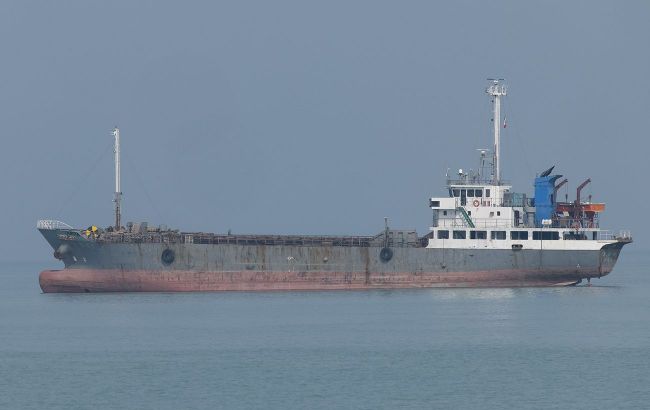 Photo: China prepares to purchase Russian oil after a long hiatus (Getty Images)
After a four-month hiatus, Chinese state-owned oil companies are once again looking to purchase Russian oil to avoid shortages caused by the war in Iran. To do so, they have taken advantage of the easing of US sanctions, Reuters reports.
According to the agency, citing sources, subsidiaries of Sinopec and PetroChina approached suppliers this week regarding potential purchases of Russian oil. This could be their first deal since November.
As of March 17, no deals had been finalized, but two sources speaking to Reuters believe they could take place in the near future. Despite rising prices and premiums amid the US-Iran conflict that began on February 28, Russian oil remains cheaper than alternative supplies from Brazil and West Africa.
One of the Chinese state-owned traders said that companies are currently assessing payment and logistics options within the 30-day period of sanctions relief, which began on March 12 and applies to shipments already loaded.
At the same time, sources do not rule out that large companies may purchase Russian oil through intermediaries—independent Chinese refineries or traders who already have the necessary volumes.
"Some teapots are ready to resell, as that makes more money for them than processing at their plants," a source tells Reuters.
Russian ESPO blend for delivery in late April, the main export grade from the Far East, was recently offered at a premium of about $8 per barrel to the July ICE Brent contract on a delivered basis.
By comparison, the Brazilian Tupi grade for the April shipment was priced at a premium of $12–15 to Brent quotes.
Middle East tensions impacted oil market
Following US and Israeli strikes on Iranian targets, Tehran announced the closure of the Strait of Hormuz.
This strait between Iran and Oman is one of the key routes for global oil trade—in 2025, approximately 13 million barrels passed through it daily, or about 31% of maritime shipments.
US intelligence also reported the mining of the shipping channel.
Against the backdrop of the Strait’s blockade, global oil prices rose sharply, leading to higher gasoline prices.
On March 13, the US Department of the Treasury temporarily eased sanctions against Russia, allowing the export of oil and petroleum products that had already been shipped for a period of 30 days.