Oil prices surge after US strikes on Iran spark supply fears

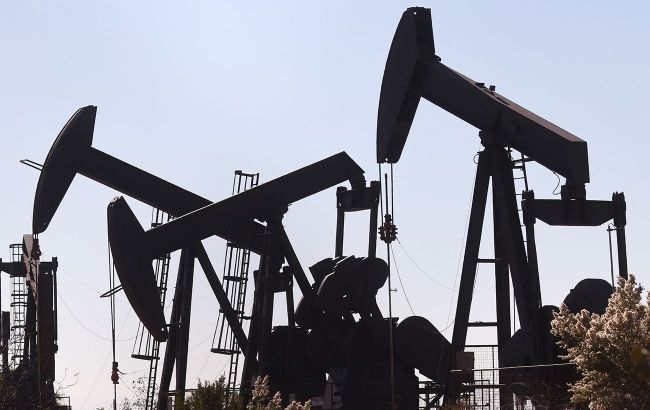 Photo: oil prices reacted to US strikes on Iran (Getty Images)
Global oil prices have risen again as investors refocus on threats facing oil facilities in the Middle East, Reuters reports.
Despite attempts by the United States to “calm” the markets by canceling sanctions on Russian oil, Brent crude futures rose $1.27, or 1.2%, to $104.41 per barrel after gaining $2.68 on Friday.
US West Texas Intermediate crude increased by 54 cents, or 0.6%, to $99.25 per barrel after rising nearly $3 in the previous session.
Prices for both types of oil have jumped by more than 40% and reached their highest level since 2022 after U.S.-Israeli attacks on Iran prompted Tehran to block the Strait of Hormuz.
“U.S. strikes over the weekend on Kharg Island raised supply concerns, as most of Iran's oil exports pass through it,” ING commodity strategists said Monday.
Although the strikes appear to have targeted military rather than energy infrastructure, they still pose risks to supply since Iranian oil is currently the only oil moving through the Strait of Hormuz.
Over the weekend, the United States threatened further strikes on Kharg Island, which processes about 90% of Iran’s oil exports.
In addition, Iranian drones struck a key oil terminal in Fujairah in the United Arab Emirates. According to four sources, oil loading operations in Fujairah have since resumed, but it is unclear whether they have returned to normal.
Attempts to reduce oil prices
On Sunday, the International Energy Agency said more than 400 million barrels of oil would soon be released to the market to counter price spikes caused by the war in the Middle East.
The agency said supplies from countries in Asia and Oceania would be released immediately, while stocks from Europe and the Americas would become available at the end of March.
US Energy Secretary Chris Wright said Sunday he expects the war to end within “the next few weeks,” after which oil supplies would recover and energy prices would fall.
Earlier, we reported that the military escalation in the Middle East had already pushed oil prices above $100 per barrel and caused a significant rise in gasoline prices in Ukraine.
It was also reported that the war in the Middle East led Iran to block the Strait of Hormuz, through which about 20% of the world’s oil passes. However, two countries in the region have begun using bypass pipelines.