China halts diesel and gasoline exports amid Middle East war, Reuters

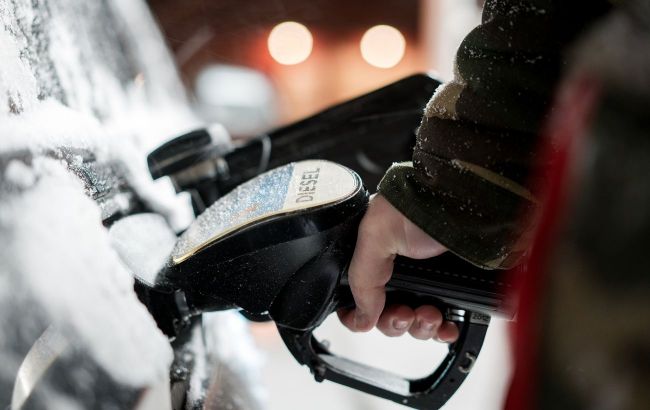 China halted diesel and gasoline exports due to war in Middle East (photo: Getty Images)
The Chinese government ordered its largest refineries to suspend exports of diesel fuel and gasoline as the war in the Middle East threatens to disrupt global energy supplies, Reuters reports.
According to sources of agency, the call does not apply to refueling with jet fuel for international flights, bunkering secured by aircraft, or supplies to Hong Kong or Macau.
It is noted that the reduction of exports from China, one of the largest fuel exporters in Asia, will likely worsen the situation with limited fuel supplies in Asia, which will further increase refining margins.
According to LSEG price data published on March 5, diesel refining margins fluctuated near a three-year high of about 49 dollars per barrel, while jet fuel crack prices exceeded 55 dollars per barrel.
Since most of the March export program has already been fixed, and it is difficult to recall cargoes, a new government notice is expected to reduce exports from April.
According to sources, in March, exports of gasoline, diesel fuel, and jet fuel together were expected to remain stable compared with previous industry estimates of about 3.8 million metric tons, as companies received high profitability in Asia.
LSEG vessel tracking data showed that about 70,000 tons of jet fuel, 35,000 tons of diesel fuel, and 35,000 tons of gasoline were shipped this month.
China manages exports of refined fuel through a quota system to balance the fundamentals of demand and supply in its domestic market, with the first batch of quotas for 2026 little changed compared with last year at 19 million tons.
Three regional buyers of Chinese-origin cargoes told Reuters they will still receive their March shipments according to previous loading schedules.
At least two Chinese refineries – Zhejiang Petroleum & Chemical Co., Ltd. and Fujian Petrochemical Company Ltd. – began reducing production volumes this month, and more plants are expected to limit production as the ongoing conflict in the Middle East disrupts crude oil flows, leading to sharp price increases.
Fuel prices rise due to the war in the Middle East
Due to the war in the Middle East, shipping in the region has effectively stopped – volumes fell by 75%. Owners of oil tankers do not risk going to sea.
Although the UAE and Saudi Arabia are trying to pump oil bypassing through pipelines, this is not enough.
As a result, fuel prices sharply increased. India and Iran have already raised prices for their oil.
According to preliminary forecasts, amid the blocking of oil transportation through the Strait of Hormuz, oil prices may reach 100 dollars per barrel, and this is not a limit.
It is also known that exchange prices for diesel in London rose to 1100 dollars per ton.