China and Canada move closer - What decision ended years of diplomatic confrontation

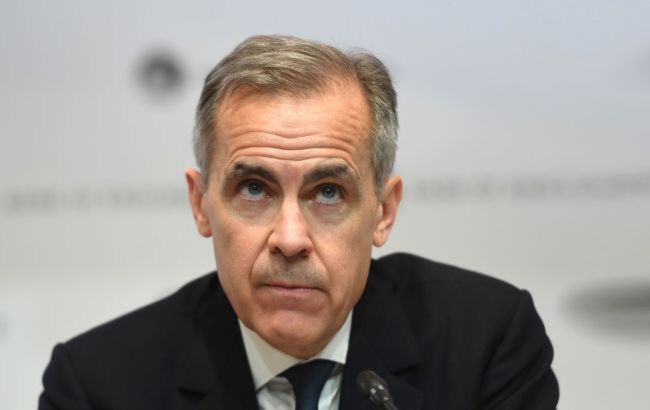 Photo: Canadian prime minister Mark Carney (Getty Images)
China has overturned the death sentence of Canadian citizen Robert Schellenberg, a move that may signal a potential thaw in relations with Ottawa, according to The Guardian.
China’s Supreme People’s Court has made a sensational decision by overturning the death sentence of Canadian citizen Robert Lloyd Schellenberg. This move has become the strongest signal of reconciliation between the two countries in the past decade.
Case that kept world on edge
Schellenberg’s case long served as a symbol of so-called "hostage diplomacy." Detained in 2014 on drug trafficking charges, he was initially sentenced to 15 years in prison. However, in 2019, against the backdrop of the arrest in Canada of Huawei CFO Meng Wanzhou, a Chinese court unexpectedly changed the sentence to death.
The international community described the process as political retaliation, while Amnesty International called it a "gross violation of justice." Now, after years of deadlock, the death sentence has been overturned and the case sent back for review.
Mark Carney's visit to China
Experts link Beijing’s sudden show of "clemency" to the recent visit of Canadian Prime Minister Mark Carney to China. For Ottawa, this represents a chance to reduce economic dependence on the United States; for China, an opportunity to regain a strategic partner.
What this changes for both countries
-
New partnership: both sides have already announced plans to develop a new roadmap for bilateral relations.
-
Economic breakthrough: Canada intends to expand exports to China’s vast market.
-
Humanitarian aspect: Schellenberg remains in custody in the city of Dalian, but the threat of execution has effectively been removed.
Despite the overturned sentence, a new court hearing is still ahead in Liaoning province. Canada continues to insist on a full pardon for its citizen. Nevertheless, the very fact of such a legal reversal by China points to one thing: major geopolitics is once again choosing negotiation over ultimatums.