How reliable is your smartwatch sleep data? Experts reveal truth

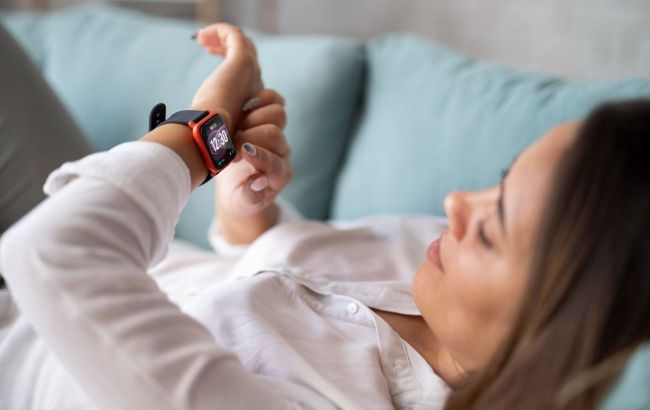 How accurate is sleep data on smartwatches (illustrative photo: Freepik)
Smartwatch manufacturers are actively developing sleep-tracking features, as nearly half of owners use these devices to monitor their health. At the same time, different models apply their own methods for analyzing movement and biometric data, which affects the accuracy of results.
Technology portal SlashGear reports on what you need to know about sleep-tracking capabilities in modern smartwatches.
How smartwatches know when you’re asleep
Modern smartwatches use various methods to determine when you’re sleeping and how deep your sleep is. Additional sensors help analyze sleep stages, breathing quality, and even potential signs of apnea.
The most common method is movement detection. Using an accelerometer, the watch tracks whether you are active or not. However, movement analysis alone is not very precise: if you didn’t move your arm for an hour, it could mean you were asleep, or simply engrossed in a movie.
Even during sleep, a person moves slightly. For example, Apple tracks micro-movements related to breathing and compares them with data collected in studies to determine whether you are asleep or awake.
Similar technologies are used by Samsung and Garmin. Essentially, the watch does not “measure sleep” directly—it analyzes body activity and draws conclusions based on it.
Many models also track heart rate and blood oxygen levels (which usually drop during sleep), measure skin temperature, or use a microphone to analyze breathing and snoring. These features can be enabled by the user and help improve the accuracy of the data.
Sleep tracking accuracy depends on the device and the individual
The question of how accurate smartwatches are at measuring sleep is one of the most debated. Each device works differently, and every body is different: what works perfectly for one user may give less precise results for another.
Accuracy is also affected by strap position and tightness, if the watch isn’t worn correctly, data can be distorted. Even a single software update can improve or worsen sensor performance.
With properly configured popular models, the data can be considered roughly accurate. However, this does not mean it should be fully trusted—especially if your own sensations contradict what the watch shows.
If you have sleep problems or are concerned about sleep quality, it is recommended to consult a doctor. Smartwatch data can be used as supplementary information, but it does not replace medical diagnosis. Clinical sleep studies remain the most accurate method. Therefore, smartwatch sleep data should be treated cautiously: it is useful, but cannot be used to make a diagnosis.
Earlier, we covered 6 best Apple Watch apps for boosting your productivity.
.
This material is for informational purposes only and should not be used for medical diagnosis or self-treatment. Our goal is to provide readers with accurate information about symptoms, causes, and methods of detecting diseases. RBС-Ukraine is not responsible for any diagnoses that readers may make based on materials from the resource. We do not recommend self-treatment and advise consulting a doctor in case of any health concerns.