Ballistic missile killers: What makes PAC-3 interceptors promised to Ukraine so important


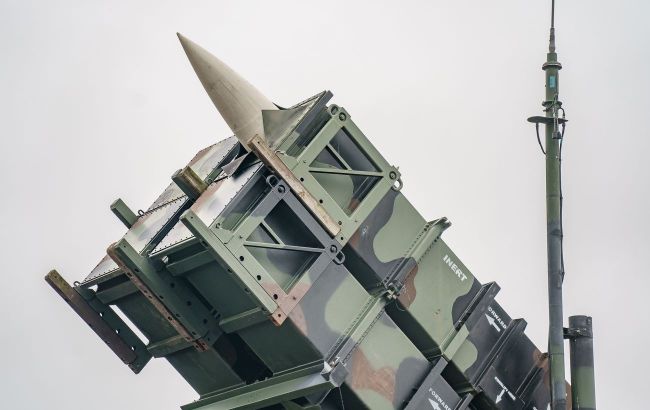 Germany promised Ukraine a batch of PAC-3 missiles for Patriot systems (photo: Getty Images)
Ukraine may receive 35 PAC-3 missiles for Patriot air defense systems. These missiles are capable of intercepting Kinzhal, Zircon, and Iskander missiles, but this quantity would only be enough to repel a few massive attacks on Kyiv.
What makes PAC-3 missiles special, and why they are in short supply, RBC-Ukraine asked aviation expert Kostiantyn Kryvolap.
Read also: Empty Patriot launchers, Ukraine faced air defense gaps amid Russia's energy strikes — FT
What is known about PAC-3 missiles
The main difference between the modern PAC-3 (ERINT) missile and the older PAC-2 version lies in the principle of target destruction.
PAC-2 is a classic anti-aircraft missile with a fragmentation high-explosive warhead. It detonates near the target, striking it with a cloud of fragments (shrapnel). This is effective against aircraft and cruise missiles, Kryvolap noted.
Meanwhile, the PAC-3 missile operates using Hit-to-Kill technology. It is smaller in size, lighter, and more maneuverable. The missile hits directly into the warhead of an enemy missile, destroying it with the kinetic energy of impact.
"It grabs onto the missile and maneuvers together with it until the very collision. If you remember one of the first Kinzhal interceptions, the missile's head was pierced as if with a crowbar to the forehead. That is the work of PAC-3," the expert explained.
Why are PAC-3 missiles in short supply?
According to Kryvolap, the Western defense industry was not prepared for the intensity of war like in Ukraine. Factories were designed to produce about 600 missiles per year to replenish stockpiles of many operator countries in peacetime.
"No one thought that Ukraine would be struck with so many missiles. The manufacturer increased capacity and plans to reach 750 missiles per year (about 720 were produced last year). But even if all of America worked exclusively for Ukraine, this could still be insufficient," the expert notes.
30 PAC-3 missiles equal two massive attacks
According to Kryvolap, as practice shows, to guarantee interception of one ballistic target, it is necessary to launch two PAC-3 missiles.
This means that even if Ukraine received the entire annual production volume of the United States, we would be able to shoot down about 360 ballistic targets, the expert explained.
At the same time, Russia, as Kryvolap noted, is capable of producing about 30 Iskander missiles per month and has certain reserves. This allows it to launch approximately 40 ballistic missiles monthly.
So even if Ukraine is provided a new batch of 35 missiles, this is effectively stock for repelling two massive attacks on Kyiv, if calculated as two PAC-3 per one enemy target.
"That is, ballistic missiles, unfortunately, will in any case get through a limited number of interceptors," the expert concluded.
Read also:
- US support at rock bottom - Surprising player that kept Ukraine armed in 2025
- Top 3 countries leading US arms purchases for Ukraine, according to Whitaker