Another country gets closer to EU candidacy, yet one major caveat remains

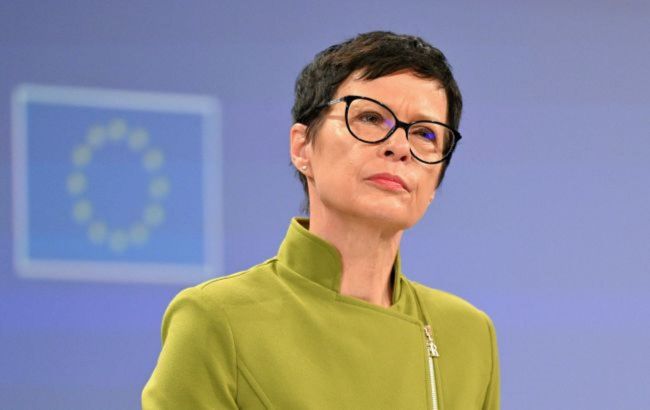 Marta Kos (photo: Getty Images)
EU Enlargement Commissioner Marta Kos said that Kosovo must normalize relations with Serbia and step up reforms to move closer to the European Union, Politico reports.
During a visit to Pristina, Kos said that "there can be no security in Europe without Kosovo," while also stressing the need for political stability in the country.
"Kosovo urgently needs to catch up on EU-related priorities. Kosovo needs stable institutions and an effective government," the commissioner noted during a joint press conference with acting Prime Minister Albin Kurti.
Following the meeting with the commissioner, Kurti said Kosovo had already waited long enough for a decision from Brussels.
"Forty-one months after we applied for EU membership, it is time for Kosovo to receive its candidate status and open the accession negotiations," Kurti said.
According to him, EU membership should help strengthen democracy in the country, accelerate economic growth, and improve citizens' well-being.
What prevents Kosovo from candidate status
Kosovo declared independence from Serbia in 2008 and applied for European Union membership in 2022. However, its path toward candidate status remains complicated.
One of the main obstacles is that five EU member states — Spain, Greece, Romania, Slovakia, and Cyprus — still do not recognize Kosovo's independence.
In addition, Belgrade also refuses to recognize Pristina's sovereignty, effectively stalling the normalization process between the two sides.
Brussels has repeatedly stressed that dialogue between Serbia and Kosovo remains a key condition for both countries to make further progress toward EU membership.
The situation is also complicated by internal political instability in Kosovo. The country prepares for snap elections scheduled for June 7, following the government's collapse after the failure to elect a president.
Because of the political crisis, Marta Kos had previously postponed her visit to Pristina.
Earlier, EU officials suggested that new candidates could emerge in the accession queue and potentially overtake current applicants. This refers to economically developed countries, including Norway and Iceland, which already meet most EU criteria and could move quickly in negotiations.
At the same time, the EU acknowledges that such countries appear more attractive for membership than poorer Eastern European states.
Moreover, the European Union has already begun preparing Montenegro's accession treaty. Ambassadors from the EU 27 member states agreed to establish a special task group to draft the country accession agreement with the bloc.