7 simple foods that replace magnesium supplements without effort

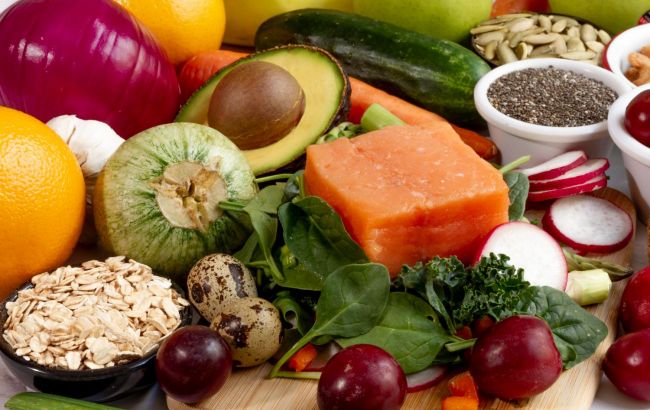 Products that contain magnesium (photo: Freepik)
Some foods can provide the body with magnesium just as effectively as supplements. A balanced daily diet that includes these items can fully meet the daily magnesium requirement while supporting the heart, nervous system, and muscles without the need for additional medication, according to Verywell Health.
Nuts and seeds
The National Institutes of Health states that various types of nuts and seeds stand out for their impressive magnesium content:
- Almonds: 30 g of roasted almonds contains 80 mg of magnesium, which is 19% of the recommended daily value. Almond-based products, such as almond butter, are also rich in magnesium
- Cashews: just 30 g of roasted cashews contains 74 mg of magnesium (18% of the daily value)
- Pumpkin seeds: contain 165 mg of magnesium (37% of the daily value), as well as protein, fiber, and healthy fats
Legumes
Legumes, which include peas, beans, and lentils, are rich in nutrients such as protein, folate, fiber, iron, and polyunsaturated and monounsaturated fats.
Legumes rich in magnesium include:
- Black beans: high in protein, fiber, and magnesium. One cup contains 120 mg of magnesium, which is approximately 28% of the recommended daily value
- Lentils: high in magnesium, fiber, folate, potassium, and iron. One cup of cooked lentils contains 71.3 mg of magnesium, which is about 17% of the recommended daily value
- Edamame: These young green soybeans contain 50 mg of magnesium per half cup, which is 12% of the recommended daily value
Whole grains
Whole-grain foods are rich in fiber and magnesium. They include:
- Quinoa: One cup contains 118 mg of magnesium, as well as a good amount of fiber and iron
- buckwheat: contains approximately 85.7 mg of magnesium
- whole grain bread: choosing whole grain bread, crackers, or pasta instead of refined white varieties can increase your intake of magnesium, selenium, and folic acid
Dairy products
One cup of skim milk contains approximately 30.8 milligrams of magnesium, or about 7% of the recommended daily value.
In addition, fat-free Greek yogurt contains 16.7 mg of magnesium, 173 mg of calcium, and 16.1 g of protein.
Fruits
Fruits rich in magnesium include:
- Dried figs are high in fiber and numerous vitamins and minerals. They contain 101 mg of magnesium, covering 24% of the recommended daily value
- Bananas: A medium banana contains 31.9 mg of magnesium. They are also rich sources of fiber, potassium, vitamin B6, and many antioxidants and phytonutrients
Vegetables
Spinach is a leafy green vegetable with low calories and high levels of vitamins, minerals, and antioxidants. It contains high levels of vitamins A, C, and K, as well as fiber, iron, calcium, and magnesium. Half a cup of cooked spinach contains 78 mg of magnesium, helping you reach 19% of the recommended daily value.
Also, 100 g of baked potato with the skin contains 43 mg of magnesium, helping you reach 10% of the recommended daily value. Potatoes are also a rich source of vitamin C and potassium.
Dark chocolate
Dark chocolate contains a significant amount of magnesium. A 100g bar may contain between 48 and 129 mg, depending on the percentage of cocoa used. Dark chocolate is also rich in iron, copper, and manganese.
Along with these minerals, dark chocolate is rich in antioxidants that help counteract free radicals, harmful molecules associated with chronic diseases. These antioxidants support healthy blood circulation in both the brain and the heart and also have anti-inflammatory properties.
Daily magnesium requirement
The recommended daily intake of magnesium is 420 mg for most adult men and 320 mg for women. The dosage depends on factors such as age and underlying health conditions.
You may be interested in:
- What happens if you eat the same breakfast every day
- Six foods that contain hidden mold, even though they look completely normal
This material is for informational purposes only and should not be used for medical diagnosis or self-treatment. Our goal is to provide readers with accurate information about symptoms, causes, and methods of detecting diseases. RBС-Ukraine is not responsible for any diagnoses that readers may make based on materials from the resource. We do not recommend self-treatment and advise consulting a doctor in case of any health concerns.