Six foods secretly carrying mold despite looking absolutely okay

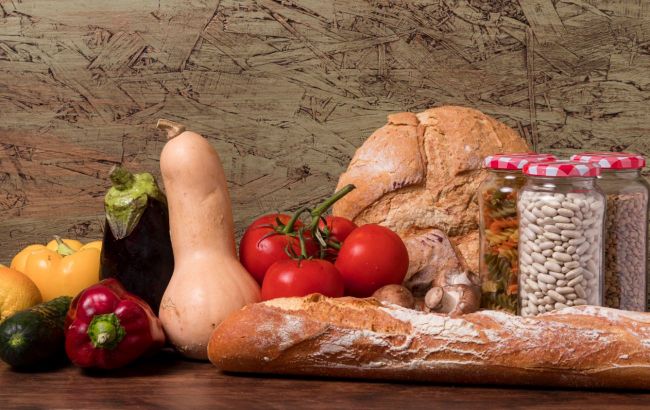 Foods that contain mold (photo: Freepik)
Some foods often develop hidden mold that is not immediately visible. In particular, they may look fresh on the outside while still posing a risk to your health, Real Simple reports.
Bread
If you see mold on the surface, that is only part of the problem. Mold typically has a branching network of roots that extends throughout the bread.
Because of this, cutting off the surface does not guarantee safety: invisible mold threads may already be inside the loaf. This is especially true for soft bread, cakes, and buns, which are easily penetrated by mycelium.
Soft cheeses
Some cheeses, such as Brie and blue cheese, are made with safe mold, but any unexpected fuzzy or colorful spots on other types indicate spoilage.
Soft cheeses generally have a high water content, which allows mold to thrive even at low temperatures. Because mold can spread deeply, the safest option is to discard the product if mold is present.
Mushrooms
Even if the surface looks normal, spores or microscopic fungi can develop inside or on the skin. This is especially likely if:
- The mushrooms were stored for a long time in a humid environment
- There were damaged or soft spots
- They were kept at room temperature for more than 1–2 days after harvesting or purchase
Even a small amount of hidden mold can cause an unpleasant odor, off-taste, or digestive issues. For safety, it is recommended to:
- Check mushrooms carefully before cooking
- Cut away or discard questionable parts
- Store them in a dry, cool place and use them soon after purchase
Berries
This happens when mold develops on the surface or inside the fruit but is not yet visible to the naked eye. It most often occurs in soft or very juicy berries, such as raspberries, strawberries, or blackberries, where mold spores easily penetrate the tissue through microcracks or other damage.
Damaged or suspicious berries are best discarded rather than trying to cut off the affected areas.
Yogurt
Yogurt can theoretically contain mold, although this is rare in a properly made and stored product. The reasons may include:
- Issues during production or packaging if the equipment was not sterile or if the packaging was damaged
- Improper storage conditions. High temperatures or prolonged storage can allow mold to grow even inside yogurt
- Invisible (microscopic) mold. Sometimes mold spores may be present without forming visible spots. In this case, the health risk depends on the type of Microorganism
Sauces and condiments
Even liquid or paste-like sauces and condiments can develop mold spores, especially if the product was improperly stored or is past its expiration date.
Main reasons:
- A moist environment: sauces, ketchup, mayonnaise, and other products contain enough water for microorganisms to grow if stored at room temperature after opening
- Contact with air and bacteria can encourage mold growth
This material is for informational purposes only and should not be used for medical diagnosis or self-treatment. Our goal is to provide readers with accurate information about symptoms, causes, and methods of detecting diseases. RBС-Ukraine is not responsible for any diagnoses that readers may make based on materials from the resource. We do not recommend self-treatment and advise consulting a doctor in case of any health concerns.