1,200-mile range and NATO missiles: What to know about new Vanta 12 sea drone

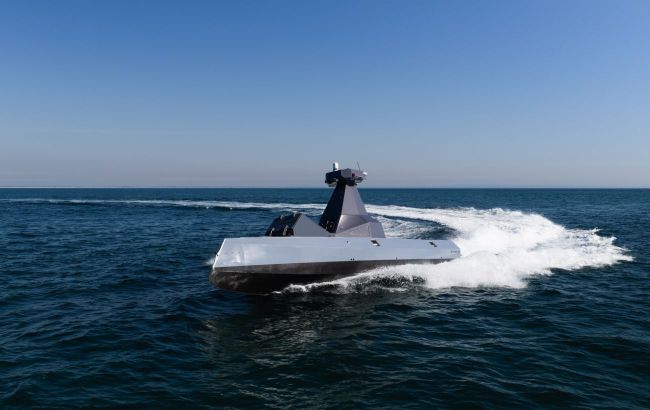 Photo: Vanta 12 sea drone (STARK)
German defense company STARK, which has an R&D center in Ukraine, has unveiled the Vanta 12 sea drone. It can reach speeds of up to 40 knots, carry up to 2 tons of payload and remain at sea continuously for several weeks, according to a STARK press release.
What is known about the Vanta 12
The Vanta 12 is designed for reconnaissance, surveillance and countering threats at sea. The vessel is 12 meters long, has a maximum speed of up to 40 knots and a range of up to 1,200 nautical miles (more than 2,220 kilometers). It can carry up to 2 tons of payload and remain at sea continuously for several weeks.
The platform combines autonomous navigation, AI-based systems and a modular architecture. Depending on the mission, the drone can be equipped with various sensors and electronic warfare systems.
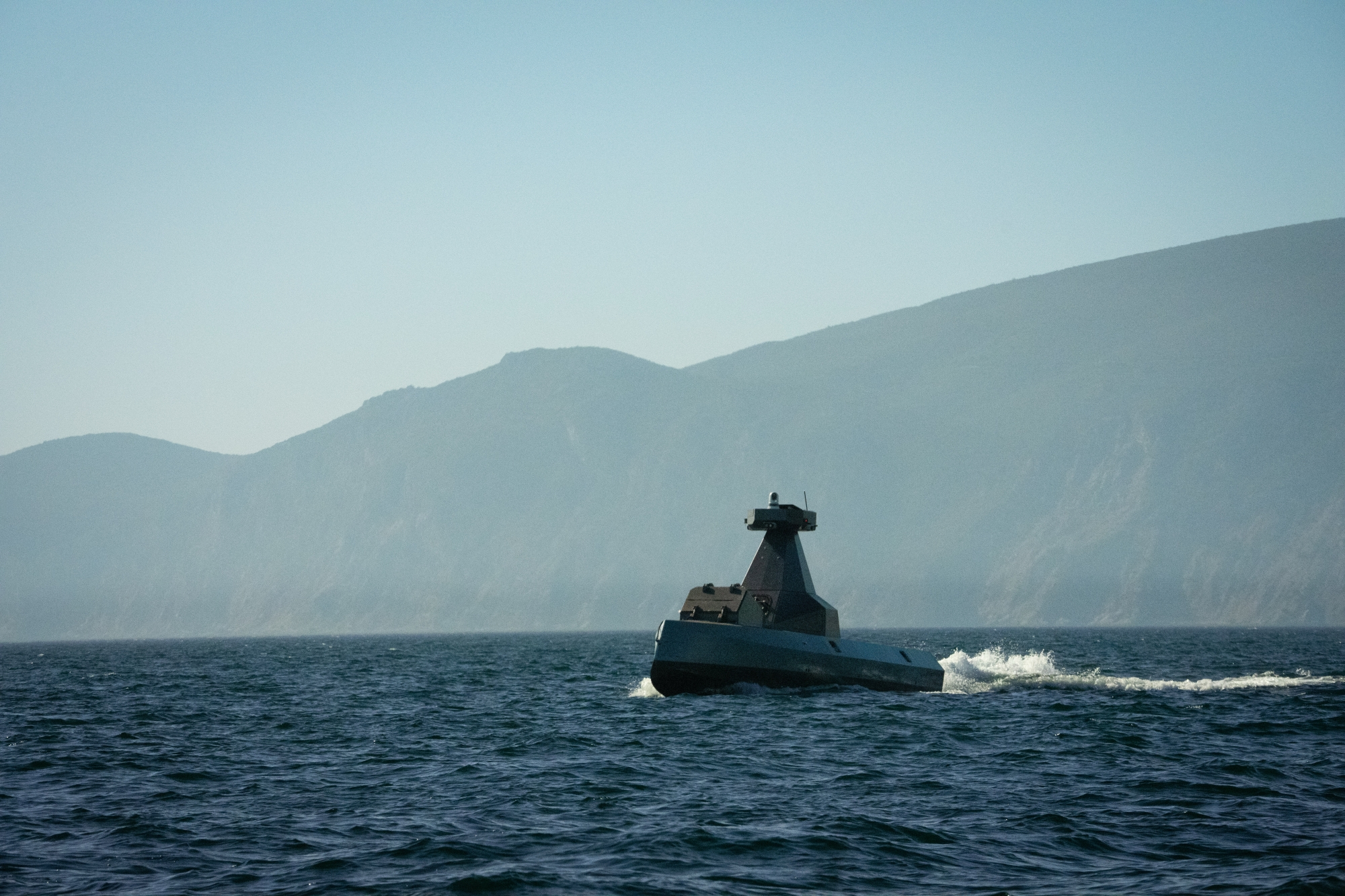
Photo: Vanta 12 sea drone (STARK)
Weapons and testing
The platform has already been integrated with 10 Cascade loitering munitions developed by STARK, and test launches have been conducted. In addition, the Vanta 12 has been equipped with four Sea Venom guided anti-ship missiles manufactured by MBDA, which are already in service with NATO forces.
This means the vessel can conduct reconnaissance, patrol waters and track potential threats, as well as deploy weapons.
The capabilities of the Vanta 12 were demonstrated during REPMUS, NATO’s largest exercise for robotic and unmanned maritime systems. The vessel successfully completed a series of mission scenarios while operating alongside crewed and uncrewed platforms.
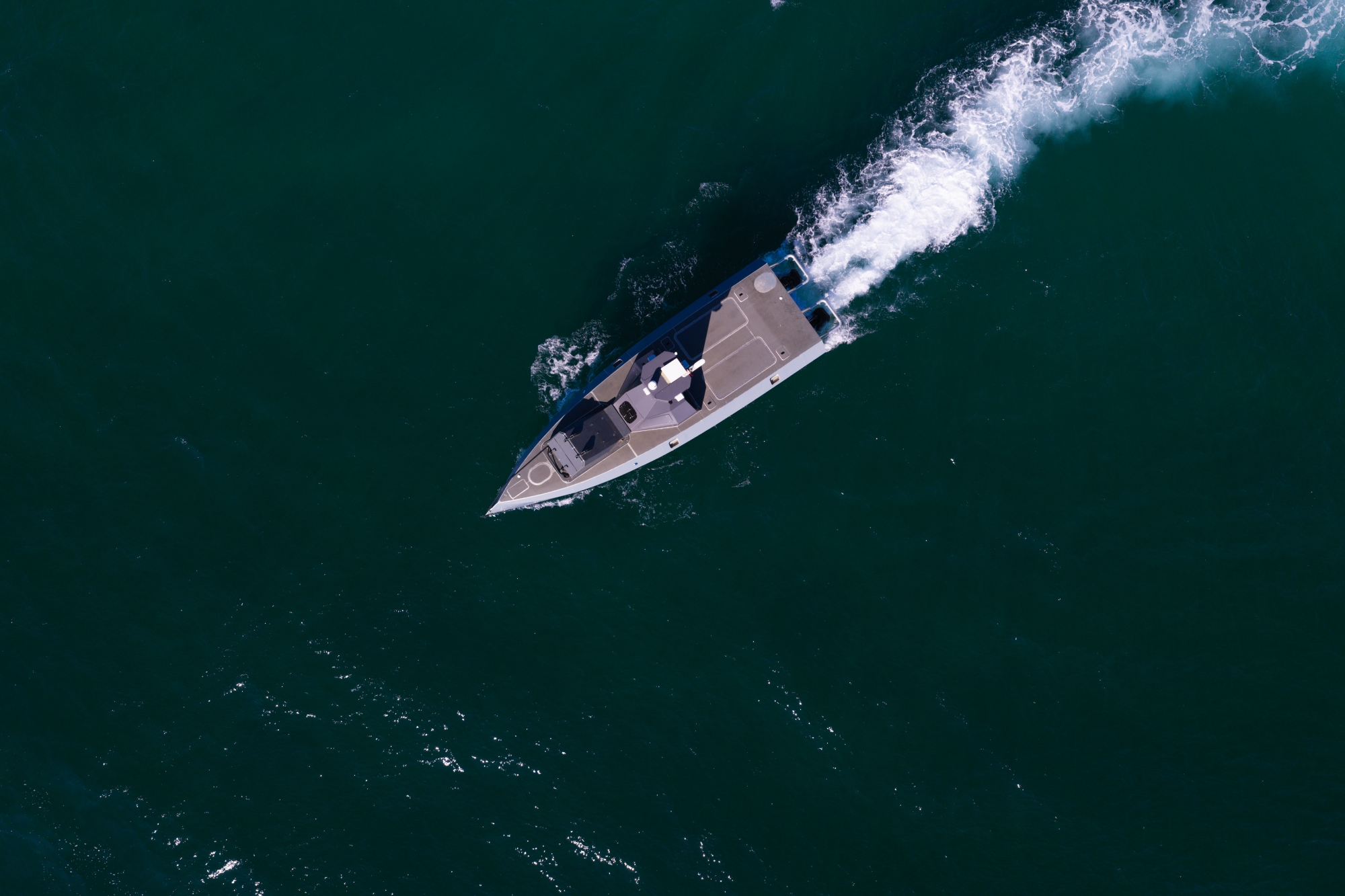
Photo: Vanta 12 sea drone (STARK)
Why the company is talking about hybrid threats
At STARK, the growing demand for unmanned maritime systems is linked to the rise in hybrid threats, ranging from risks to undersea cables and energy infrastructure to the use of civilian vessels for reconnaissance. Such challenges are particularly relevant in the North and Baltic Seas, where energy and underwater digital infrastructure critical for Europe is concentrated.
"Vanta 12 makes it possible to maintain a presence at sea for extended periods, conduct reconnaissance and respond quickly to suspicious activity. Such systems make it possible to enhance maritime domain control without the need to increase the number of crewed ships," said Maksym Cherkis, COO of STARK Ukraine.
According to him, hybrid threats are difficult to address because they often have no obvious starting point.
"Suspicious activity near a cable or energy facility does not in itself mean an attack, but it is important to detect it in time, monitor how the situation develops and be able to respond quickly. That is why a persistent presence and surveillance at sea are becoming increasingly important for protecting critical infrastructure," Cherkis added.
To scale up production of the Vanta family, STARK is working with German shipbuilder Flensburger Schiffbau-Gesellschaft (FSG). The partners plan to expand the industrial base for producing the platforms in Germany and other European countries.