Starmer issued sharp statement toward China, calling it 'national threat'

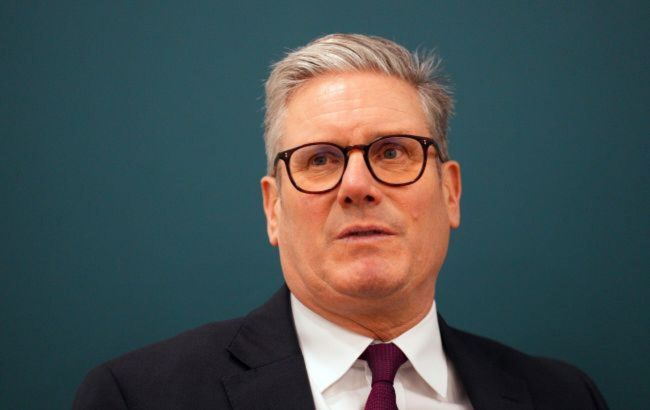 Photo: Keir Starmer (Getty Images)
The United Kingdom is shaping a new approach toward China, seeking to balance national security protection with the development of economic ties, according to a publication by the Reuters news agency.
Prime Minister Keir Starmer stated that China poses a "national security threat" to the United Kingdom, while stressing that expanding economic cooperation remains in London’s interests.
The Labour government considers updating its policy toward Beijing one of its priorities and aims to balance engagement that in recent years has swung between tense and chaotic phases.
Over the past decade, the British approach has shifted dramatically: from the ambition to become China’s key European partner to open criticism as relations deteriorated.
Starmer emphasised the need to move away from extremes and shift to a pragmatic model of cooperation, saying: "It's time for a serious approach, to reject the simplistic binary choice, neither golden age nor ice age, and recognise the plain fact that you can work and trade with a country while still protecting yourself."
Political context and visits
The decision to classify China as a threat came after a court case on espionage charges collapsed due to the lack of an official definition of Beijing’s status.
Starmer considers the previous government’s weak diplomatic activity a mistake, noting that leaders of France and Germany visited China several times, while the last visit by a British prime minister occurred in 2018. According to sources, preparations for Starmer’s trip to China are already underway.
Economic opportunities
The prime minister stressed that security remains an absolute priority: "Protecting our security is non-negotiable - our first duty."
At the same time, he said that where risks are minimal, businesses should deepen engagement with the Chinese market.
He identified promising sectors such as finance, professional services, creative industries, pharmaceuticals, and the luxury goods segment, highlighting the strong export potential of these areas.
The British authorities recently decided not to introduce restrictive measures against Lukoil for now, extending permission for operations involving the company’s international structure until the end of February 2026, effectively delaying sanctions.
London has confirmed its readiness to consider deploying British troops to Ukraine after active hostilities end. A representative of Prime Minister Keir Starmer’s office stressed that any decisions would be made based on the situation on the ground.