Ukrainians between depression and hope. Interview with sociologist on peace, elections, and referendum


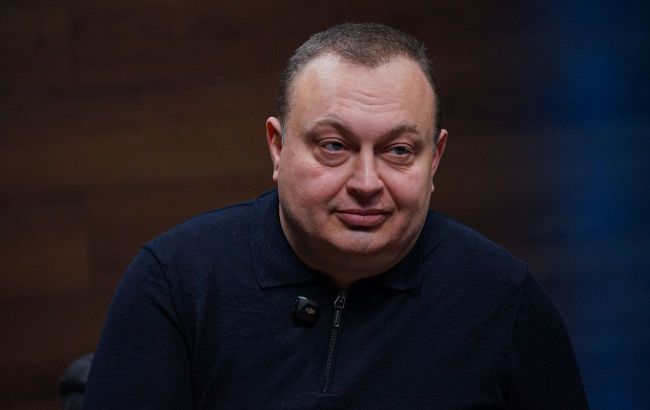 Sociologist Oleksii Antypovych (all photos: Ihor Kuznietsov, RBC-Ukraine)
Read about depression and hope with which Ukrainians are entering the new year 2026, their attitude toward peace talks, Russia's concessions, elections, and the referendum, as well as the most popular Ukrainian politicians, in an interview by RBC-Ukraine with the head of the Rating Sociological Group, Oleksii Antypovych.
No matter how complex and eventful the past year, 2025, was, the current one promises to be no less intense. Ongoing Russian attacks, peace negotiations, the prospects of holding elections and a referendum, internal political struggles – Ukrainian society should certainly prepare for a turbulent 2026.
RBC-Ukraine spoke with leading Ukrainian sociologist Oleksii Antypovych, head of the Rating Sociological Group, about the moods and expectations of Ukrainians on the eve of the new year.
Depression and hope
The two main feelings with which Ukrainians are entering 2026, according to the sociologist, are depression and hope. Depression stems from the fact that the war and the suffering and problems it has caused continue, while hope persists because there is still the expectation that the war can be brought to an end through a peace agreement.
"Our society as a whole – everyone is doing their own work, everyone walks this land, is under shelling, has no electricity, faces their own problems – yet hope and expectations have not disappeared anywhere," says Antypovych.
According to surveys, roughly half of Ukrainians believe that the country is moving in the wrong direction, while the other half believe the opposite.
Concessions to Russia, the referendum, and a peace agreement
Almost two-thirds of Ukrainians, Antypovych says, support ending the war through peaceful means. "Sometimes more, sometimes less – it fluctuates – but the demand for negotiations is about twice as high, anyway. And when you ask a Ukrainian: what is the real way to end the war, not the desired one, almost 80 percent say the real way is only through negotiations," the sociologist explains.
Ukrainians’ willingness to make concessions for a peace agreement, he notes, depends on what exactly is included in the package of peace arrangements.
"When it comes to specifics – topics like NATO, the Russian language, the Russian church, territories, withdrawal from Donbas, and so on – everything is perceived a bit differently. And, of course, the most sensitive issue is Ukraine’s territories. No one wants to recognize the occupied territories as Russian, let alone withdraw from areas held by Ukrainian forces," says Antypovych.
If the issue of territories is put to a referendum, a significant portion of voters will remain dissatisfied with the results. This, in turn, could lead to internal conflicts, even though the sociologist believes that the very idea of a referendum on such important issues is correct.
"Any political decision – whether it’s a referendum, the signing of a peace agreement, or elections – anything that divides people into supporters and opponents, and is then legitimized by the results of elections or a referendum, gains a concrete status. It divides society into those who are for it and those who are against, those who support one politician and those who support another. And all of this, of course, will lead to turbulence within society," he says.
However, according to Antypovych, ongoing attacks on Ukraine’s energy infrastructure will not make Ukrainians more willing to make concessions to the aggressor.
"Energy is just one aspect, and it certainly does not push us toward negotiations with Russia or change our attitude toward Russia," the sociologist notes.
Ukrainians returning home
According to Antypovych, currently only a third of Ukrainian refugees abroad are thinking about returning to Ukraine after the war ends. "Even among this conditional third who are ready to return, maybe only 10 percent say they actually will, but only after the war. The rest are still considering it, or aren’t so certain," the sociologist says.
In addition, Antypovych notes that roughly a third of those who remained in Ukraine express negative attitudes toward refugees abroad.
Elections, ratings, and 'Mindichgate'
Overall, Ukrainians continue to oppose holding elections during the war, though the number of those against it is slowly decreasing.
"Since this issue first appeared in our research, over 70 percent were against presidential elections, while 60 percent opposed parliamentary elections, and at least 55 percent opposed local elections in the latest survey. Today, there is still significant opposition to holding elections during the war under current circumstances, but it is slightly lower. It’s no longer 60 percent, but 55; not 70, but 65, and so on," Antypovych explains.
According to him, there are currently three figures in the political sphere who enjoy the highest trust among Ukrainians: Ambassador to London Valerii Zaluzhnyi, President Volodymyr Zelenskyy, and Chief of Military Intelligence Kyrylo Budanov.
"Budanov is an interesting mystery, but the Defense Intelligence is doing something, there are special operations, and Ukrainians want an effective security official. Zelenskyy is the acting president of a country at war, who can at least bring us peace and an agreement. Zaluzhnyi represents the image of a 'father of the nation,' who has protected us or will protect us," the sociologist explains.
Antypovych notes that "Mindichgate" (a major Ukrainian anti-corruption investigation - ed.) predictably hit Zelenskyy’s support, lowering it by about 10 percent. However, after Andriy Yermak’s dismissal as head of the Presidential Office and the renewed activity in negotiations, the scandal’s effect on ratings was neutralized. "So today we clearly have a positively perceived Zelenskyy: he removed Yermak, is working on peace, and 'what complaints could there be against him?'" Antypovych concludes.