Greenland tensions may complicate US arms purchases: Interview with Ukraine's NATO envoy


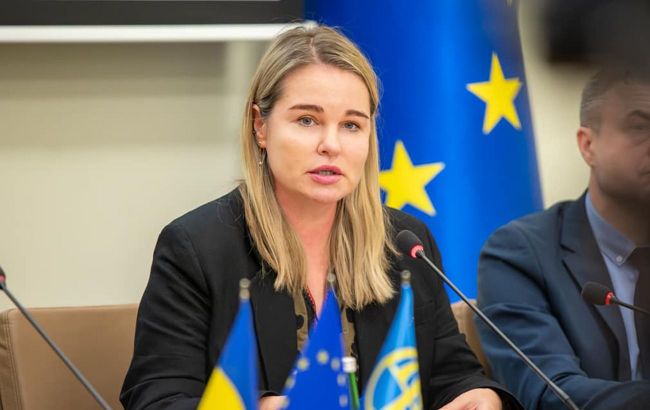 Alyona Getmanchuk (photo: Getty Images)
Ukraine is increasingly becoming a de facto member of NATO, although official accession is still a long way off. Read about Ukraine's cooperation with NATO against the backdrop of the Russian threat and the Alliance's contradictions with the US in an interview with Alyona Getmanchuk, Head of the Mission of Ukraine to NATO.
Key points
- Positive dynamics regarding membership: The number of countries opposing Ukraine's accession is at an all-time low
- NATO as the main logistician: The Alliance now coordinates over 80% of all military aid, moving away from its policy of supplying only non-lethal equipment.
- Financial dependence on PURL: The program to purchase American weapons at the expense of partners is critical for air defense; Ukraine needs $15 billion in this area in 2026.
- Military breakthrough: Ukraine participated for the first time in NATO exercises under Article 5 (collective defense), which effectively makes it part of the Alliance's security architecture prior to official accession.
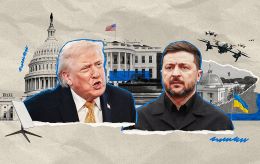
- Risks of the Greenland crisis: The territorial dispute between the US and Denmark threatens NATO unity and could lead to a dilution of attention and resources allocated to Ukraine.
NATO membership remains a key goal for Ukraine, even if it is currently impossible due to the position of several Alliance members. But it is important that there is a positive dynamic for Kyiv here.
"Today, the smallest number of NATO member states oppose Ukraine becoming a NATO member in the future. There has always been a certain group of countries in the Alliance that are against it. This group has gradually narrowed. And the change in the position of some countries has really become a milestone. These are countries such as France and Germany," says Alyona Getmanchuk, Head of the Mission of Ukraine to NATO, in an interview with RBC-Ukraine.
Until all political obstacles have been removed, Kyiv is working with the Alliance to achieve compatibility: from purely military standards to the adaptation of legislation. In this sense, last year was truly a turning point.
Last year, Ukraine participated for the first time in NATO command and staff exercises under Article 5. The Ukraine-NATO Council has become a regular platform for coordination at the level of defense and foreign ministers.
At the same time, challenges remain. When it comes to arms supplies and financial assistance, Ukraine must overcome differences within the Alliance. This means convincing partners of the priority of its needs while maintaining transatlantic unity.
As Alyona Getmanchuk notes, the most important thing today is to preserve Ukraine's own unity, both European and transatlantic, because only in this way can we effectively counter threats and strengthen our security. Read on for more details.
— Recently, the head of the Verkhovna Rada's international committee, Oleksandr Merezhko, said in an interview with RBC-Ukraine that Ukraine was not giving up on NATO membership. How true is this?
— Ukraine's irreversible Euro-Atlantic course is enshrined in the Constitution of Ukraine. The President of Ukraine has made it clear that there will be no changes to the Constitution regarding NATO. Accordingly, we cannot discuss a change of course or, for instance, that NATO membership has ceased to be our ultimate goal in terms of cooperation with the Alliance.
— But we still see the position of the United States and several other countries. What are we doing now on the path to European integration when there are no political conditions for accession?
— We respect this position. We understand it. That is why we are not raising the issue of membership or Ukraine's invitation to NATO today. We also understand that Russia has successfully incorporated this issue into the negotiations on ending or suspending the war.
Therefore, we recognize that there is currently no consensus among NATO member states on Ukraine's invitation and membership in the Alliance.
However, we also see that if we analyze the history of Ukraine's relations with NATO, today, the smallest number of NATO member countries are opposed to Ukraine becoming a NATO member in the future.
There has always been a certain group of countries in the Alliance that are opposed. This group has gradually narrowed. And the change in the position of some countries has really become a milestone. These are countries such as France and Germany.
One way or another, we understand all the political constraints that exist today and are focusing on practical cooperation with the Alliance. Today, this means achieving interoperability with the Alliance at all possible levels and on all possible tracks.
— What exactly are we talking about?
— First, we are talking about political interoperability and building lasting trust between the Alliance and Ukraine. And we are actually seeing a truly intensified dialogue between the leadership of Ukraine and the leadership of NATO, as well as at the level of various ministries and agencies.
I very much doubt that there has ever been such a regular and trusting relationship between Ukraine and NATO as there is today, for example, between the NATO Secretary General and the President of Ukraine.
We are working to ensure that the Ukraine-NATO Council continues to function effectively. Many people in Ukraine may not know or may not have paid attention to this, but in fact, every time there is a meeting of NATO foreign ministers or NATO defense ministers, there is also always a meeting of the Ukraine-NATO Council.
Ukraine is the only country with which meetings at the ministerial level are held in a separate format – the Ukraine-NATO Council format – on the same day as the meetings of the Alliance's defense and foreign ministers. I know that some partners are quite jealous that only Ukraine has this format.
We at the Mission are actively working to ensure that the potential of the Ukraine-NATO Council is maximized. And that, an event related to Ukraine, with the participation of Ukrainian speakers, takes place at NATO Headquarters every week. So that we don't lose focus and a sense of urgency here.
For example, last week we organized an extraordinary Ukraine-NATO Council at the political committee level in connection with the difficult situation in the energy sector, and this week we organized a Ukraine-NATO Council at the military committee level to discuss our military needs.
In addition, while formats such as Ramstein, created exclusively for the urgent needs of wartime, may become history after the war ends, the Ukraine-NATO Council is about a certain institutionalization of our relations with the Alliance. What was, is, and will remain.
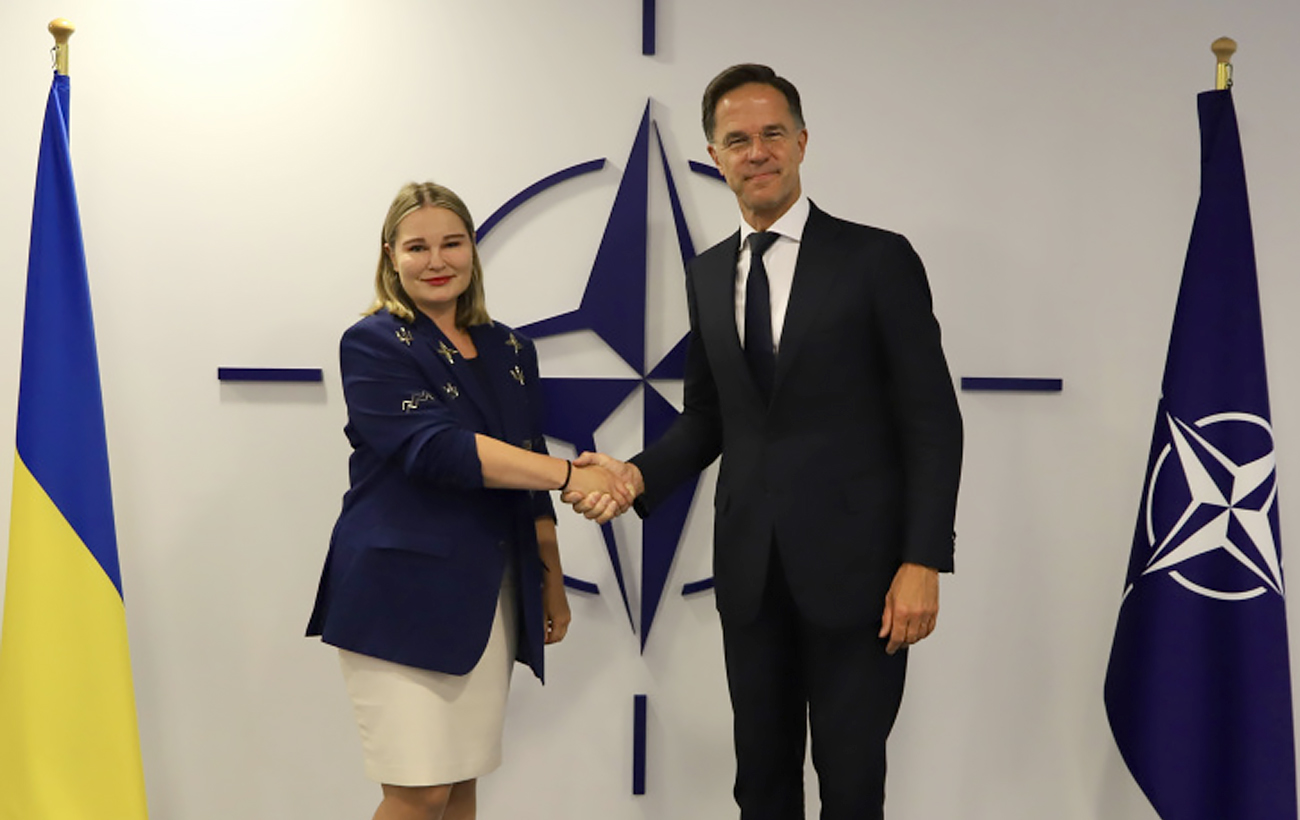
Alyona Getmanchuk and NATO Secretary General Mark Rutte (photo: Getty Images)
Secondly, we are working to strengthen what I call democratic interoperability. That is, we continue to implement the adapted Annual National Program, which clearly sets out the reforms we need to make to become interoperable with NATO in a democratic sense. The key reforms naturally overlap with our EU accession commitments, so our natural focus here is on reforms in the security and defense sector.
So that when a political or even historical window of opportunity for accession opens, no country will have any questions about Ukraine's compliance with certain democratic standards – in terms of the rule of law, the fight against corruption, or, say, defense procurement. So that no one can use the issue of reforms as an excuse to say no to Ukraine.
And, of course, military interoperability. A lot is being done here. Full-scale war contributes to strengthening the level of military interoperability between Ukraine and NATO. And this is a two-way street. That is, we are increasingly implementing the principles and standards that exist in the Alliance. But we are also giving a lot to NATO today in terms of our combat experience and the lessons we have learned on the battlefield. Accordingly, the Alliance can improve its standards, which are not a constant but rather a moving target.
— Was this after Russia attacked Poland last year?
— Overall, last year was a turning point in many ways. One of these turning points was that Ukraine began participating in NATO military exercises under Article 5 for the first time. That is, exclusively for allies, not partners.
These exercises were the LOYAL DOLOS 25 command and staff exercises, designed to train corps-level staffs. Also, for the first time in history, we participated in NATO's Dynamic Messenger military exercises in Portugal as the red team. Our naval forces were involved, along with our naval drones.
Our Delta situational awareness system was also present at NATO military exercises for the first time, and there is growing interest in it within the Alliance. Such things are very important because they immediately strengthen interoperability and provide an opportunity to share the lessons learned by Ukraine with NATO. Therefore, this year, through the Joint Analysis, Training and Education Centre (JATEC)-NATO, we plan to do even more in this direction.
We also have a roadmap for interoperability with NATO, with 74 initial interoperability requirements. This year, we expect the first comprehensive analysis of how interoperable we are. I hope it will be presented at the NATO defense ministers' meeting in June. We will have not just a feeling, but a clear assessment of where we stand in terms of interoperability.
— And yet, full membership means, first and foremost, Article 5. So I would like to ask you, does NATO have any role in the context of our security guarantee negotiations?
— When I said that last year was a turning point in many ways in Ukraine-NATO relations, one of those areas was how NATO became involved in the processes related to ending the war in Ukraine.
For the first time in the history of our relations and for the first time during a full-scale war, NATO began coordinating the supply of lethal weapons to Ukraine. In previous years, the Alliance, on the contrary, always distanced itself from supplying or coordinating the supply of any weapons, supplying only non-lethal weapons. Yes, this is a lot of important non-lethal aid, but lethal weapons are still the basis of our defense efforts.
 Why the PURL program is important for Ukraine (infographic by RBC-Ukraine)
Last year, thanks to the launch of the PURL program (an initiative that involves the purchase of weapons in the US at the expense of Europe and Canada – ed.), NATO began coordinating arms supplies for the first time through the NATO Security Assistance and Training for Ukraine (NSATU) in Wiesbaden.
In summary, NSATU is currently responsible for over 80% of military aid supplies to Ukraine. This is in general, not only within the framework of PURL.
NSATU currently includes the Polish logistics hub in Rzeszów, LEN-P, through which the vast majority of supplies to Ukraine continue to be delivered. The formal process of transferring the LEN-R logistics hub in Romania under the NSATU umbrella is also being completed. Therefore, NATO plays a key role today in coordinating fundraising and military aid deliveries.
It is also within NATO (NSATU and SHAPE) that the final list of Ukraine's defense needs is being formed and validated. At the technical level, we call it CURL (Comprehensive Ukraine Requirements List), which includes PURL, or American weapons.
Last year, NATO also began to play a much more prominent role in the Ramstein Contact Group. Four meetings were held at NATO headquarters. And the Alliance is directly involved in the Ramstein reform that is currently underway.
— What was wrong with Ramstein?
— Although the United Kingdom and Germany continue to lead this group and are doing incredibly important work, at some point, there was a need for more active, daily work, coordination, and support, including organizational support.
That is why we are talking about a kind of coordination office involving NATO, which was created so that the group's work would not be limited to relevant meetings, when countries came, announced their contributions, and left until the next meeting. And no one monitored or pushed countries to fulfill their obligations daily. When I first attended these meetings, I was surprised that the same countries announced the same contributions at each subsequent meeting, even though these contributions were supposed to be closed from one meeting to the next.
I even asked the meeting organizers, "Why can't we make it so that at Ramstein meetings, priority is given only to those countries that are ready to announce a new contribution, rather than announcing those that have already been announced many times?" Yes, we are very grateful to all countries for their previous contributions. Yes, we need to hear how much it has been implemented. But if a country takes the floor to announce a new contribution, it is important that it is truly new. And there are many such questions. That is why we are now calling it a reform.
We would very much like the next Ramstein meeting at NATO headquarters to be held under a new logic. It should be clear who has fulfilled their previous commitments and what new contributions will be made. Plus, it is more important than ever that these contributions are made in accordance with Ukraine's priorities.
That is why, at these meetings, Ukraine has repeatedly presented its partners with a detailed but very clear list of priorities for this year. This list is divided into priorities for strengthening specific capabilities and for the instruments that we consider necessary to use. It includes specific figures.
Let's say, about capabilities. We believe that a certain amount of funds should be used to strengthen our air defense capabilities, a certain amount should be invested in our defense production, and a certain amount should be used, for example, to purchase artillery shells, primarily long-range ones.
And then we divide it further: if it is air defense, then what exactly do we need? If it is an investment in our defense industry, then what exactly should this investment be used for?
The same applies to tools. If it is air defense, then one of the key tools is the PURL program. If it is ammunition, then the Czech initiative.
And the last major shift that took place last year in relations between Ukraine and the Alliance was that NATO became involved in the processes related to ending the war, thanks in particular to the leadership of Secretary General Mark Rutte. Not only in terms of strengthening our negotiating position, but also in terms of strengthening our defense, because both PURL and Ramstein are not only about strengthening our defense, but also automatically about strengthening our negotiating position.
— And in the context of security guarantees?
— In terms of developing the infrastructure of security guarantees and, in general, political decisions on ending the war, NATO began to participate fully in the meetings of the Coalition of the Willing. In fact, this was a big step for the Alliance. Before that, NATO and the Coalition of the Willing existed in two separate realities.
This has changed dramatically: the NATO Secretary General participates in meetings of the leaders of the Coalition of the Willing, and if there is an element of physical presence, he is present in person. His chief of staff, Geoffrey van Leeuwen, attends the relevant meetings of national security advisers.
The Supreme Allied Commander Europe (SACEUR), General Alexus Grynkewich, attends meetings concerning the military component of security guarantees. This is also evidence that NATO is involved in the negotiations in one way or another.
And since Grynkewich holds a dual position—he is also commander of the US European Command—he is directly involved in discussions on how to shape American support (backstop) for the multinational forces that will be deployed in Ukraine after the cessation of active hostilities.
Therefore, in summary, we can say that NATO is directly involved in these processes through its participation in discussions within the Coalition of the Willing and in formats where security guarantees are being developed, but it is also indirectly involved in terms of coordinating military aid deliveries, thereby strengthening our defense efforts and our negotiating position.
— Regarding PURL. Are there any plans for this year? Will new countries be involved?
— We are currently continuing to work very actively with countries. We have three leading countries that have made the largest contributions to PURL since the program was launched: Norway, the Netherlands, and Germany.
I will not hide the fact that one of the short-term practical consequences for Ukraine in the situation surrounding Greenland may be a more difficult process of encouraging European NATO member countries to participate in PURL. First of all, countries that have the greatest financial capacity to contribute.
And these are precisely the countries that have taken the clearest position in support of Denmark. And, by the way, Denmark itself is an important contributor to PURL.
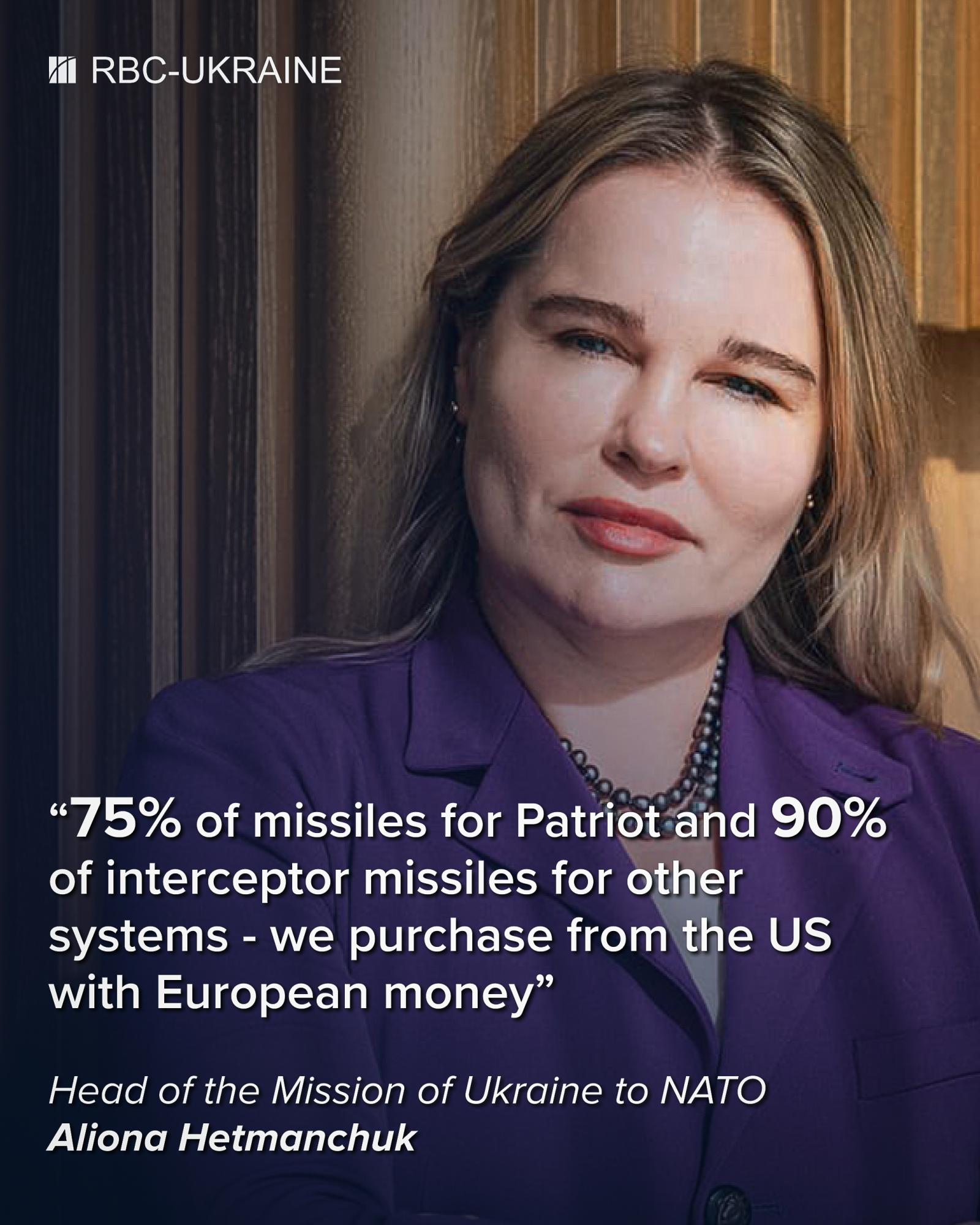
I admit that we have already spent a lot of effort in dialogue with some countries to argue why they should purchase American weapons for Ukraine. We have developed many arguments explaining that the same air defense systems, especially interceptor missiles, are mainly provided through the PURL program. And there are no other ways to obtain some of them, because about 75% of missiles for Patriot systems and about 90% of interceptor missiles for other systems are obtained through PURL.
Therefore, it is very important today to explain that even those who want to punish the United States in some way by refusing to contribute are, in fact, punishing Ukraine, given our critical need for air defense, which, unfortunately, is only growing amid intensified attacks on energy infrastructure combined with low temperatures.
We need air defense systems, especially Patriot and NASAMS. We have a clear list of countries that could provide them. Therefore, of course, we continue to work intensively on this, because the need for this year within the framework of the PURL initiative is $15 billion.
Here, too, it is very important how the European Union's financial loan will be used. We need to maintain a certain degree of flexibility so that, again, the funds spent on weapons are used in accordance with Ukraine's priorities.
It is important that we can spend them on what we really need, even if it is American weapons.
Also, given the transatlantic tensions, if we previously talked about sharing the financial burden among NATO member states, today we are also talking about sharing the financial burden among all of Ukraine's partners.
 Infographic by RBC-Ukraine
The first two partners have already made contributions. These are Australia and New Zealand. Today, we are actively working with countries that are not NATO members but could also contribute to this program.
In connection with the Greenland events, the focus on these countries is increasing. And in general, there is a certain process of rethinking how this program will work in 2026. But it remains a priority for us and for NATO.
— Actually, you brought up the last question yourself. Apart from PURL, what risks are we facing due to the weakening of unity in NATO over Greenland?
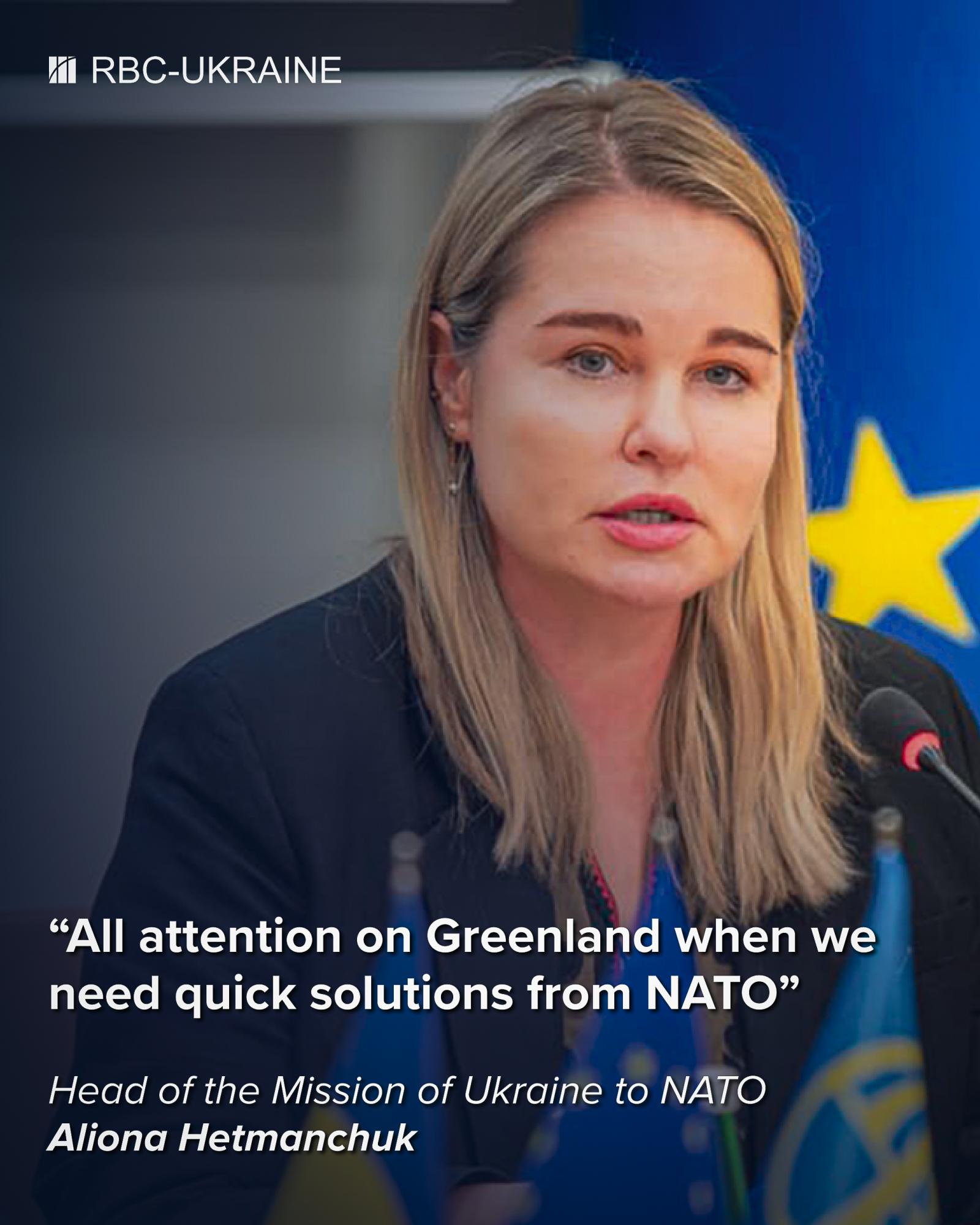
— First, it's a blurring of focus. Shifting attention from Ukraine to Greenland at a time when Ukrainians critically need increased attention and very quick responses from partners, whether it concerns interceptor missiles, energy equipment, or the use of new levers of pressure on Russia.
Second, and this answer is actually embedded in your question, it is about unity. For Ukraine to survive and ultimately prevail, at least three types of unity must be ensured.
The first is unity within Ukraine itself, which is key, in fact. The second is European unity, and the third is transatlantic unity. If these are preserved, we have a good chance not only to survive, but to prevail and ultimately win. The events unfolding around Greenland could, of course, seriously affect the latter two types of unity – European and transatlantic.
We see how different European countries are taking different positions on the Trump administration's line on Greenland.
At some point, I had a feeling of déjà vu about the events of 2003—the war in Iraq, when the United States and many countries, primarily in Central Europe, had one position, and Germany and France had a completely different position.
Then there was the famous statement by US Secretary of Defense Rumsfeld, who effectively divided Europe into old Europe and new Europe, and then it took a very long time to work on leveling that division.
Now the situation is even more complicated. Back then, it was about Iraq, which is not a NATO member, but today it is about two NATO founders – the US and Denmark. This fact is causing certain voices in NATO to speak of the greatest crisis in the Alliance's history.
At the same time, let us not forget that there were many fears surrounding President Trump's return to office, that the first thing he would do would be to withdraw the United States from the Alliance altogether. Last year's summit in The Hague would be a failure for the Alliance. But in fact, this summit turned out to be one of the most successful for NATO.
The Alliance was able to find internal resources and solutions that actually strengthened it. And, by the way, that allows Ukraine to be strengthened — a decision was made to increase defense budgets to 5% of GDP, and aid for Ukrainian defense and defense industries was included in this 5%. This is truly a historic decision – support for Ukraine has become an integral part of strengthening NATO member countries.
Today, neither European countries nor the United States stands to gain from this transatlantic tension within the Alliance. The only winners are Russia and those who would also like to sever the transatlantic link and destroy NATO, which has embodied this link for the past 76 years, if not from the outside, then from within.
I sincerely hope that today, under the leadership of the Secretary General and the leaders of NATO member countries, who are aware of this, decisions will be made that will strengthen the Alliance again, and not the opposite (the conversation took place on January 21 - ed.).
This may be interesting
— Has the number of opponents to Ukraine's accession to NATO really decreased, or is this just diplomatic courtesy?
— This is a real dynamic. According to the head of Ukraine's mission to NATO, the number of countries opposed to Ukraine's membership is now the lowest in history. The key factor was the landmark shift in the positions of France and Germany, which were previously the main skeptics but now support Kyiv's Euro-Atlantic course.
— What practical role does the Alliance play in supplying weapons now, apart from political statements?
NATO's role has become critical: thanks to the NSATU initiative, over 80% of all military aid to Ukraine now passes through Wiesbaden. The Alliance has effectively taken the logistics hubs in Poland (Rzeszów) and Romania under its umbrella. In addition, it is within NATO structures that the final list of Ukraine's needs (CURL) is being formed and validated, making the aid systematic rather than chaotic.
— What is the PURL program, and why is it important for Ukrainians that it continues to function despite international scandals?
— PURL is a mechanism through which partners (led by Norway, the Netherlands, and Germany) purchase American weapons for Ukraine. This is vital for our air defense, as we receive about 75% of Patriot missiles and 90% of interceptor missiles for other systems through this channel. This year, the need within PURL is $15 billion.
— What role will NATO play in security guarantees after the end of active hostilities against Ukraine?
NATO is already involved in working out the military component of the guarantees. In particular, NATO Supreme Allied Commander Europe General Grynkewich is participating in discussions on how US backstop support will be formed for multinational forces that may be deployed in Ukraine to maintain peace.