Language, oil, EU: Ukraine and Hungary seek common ground despite public disputes


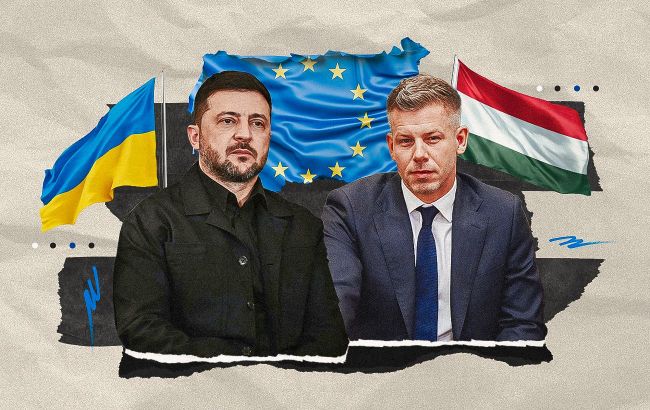 Ukrainian President Volodymyr Zelenskyy and Hungarian Prime Minister Péter Magyar (RBC-Ukraine collage)
Hungary could unblock Ukraine’s EU integration in the near future in exchange for changes to legislation on national minorities. But this potential understanding was preceded by yet another period of tensions between the two countries.
Why Hungary did not become a friendly country after Viktor Orbán’s defeat in the elections, how Kyiv and Budapest are moving toward each other, and what is standing in the way – read the report on RBC-Ukraine.
Key points:
-
Pragmatic shift: Peter Magyar’s government is showing a willingness to engage in dialogue with Kyiv and unblock key decisions, despite public statements aimed at a domestic audience.
-
Language compromise: A condition for lifting Hungary’s veto on Ukraine’s EU path was an agreement on changes to legislation on the rights of national communities, which is expected to be implemented soon.
-
Domestic political concerns: Budapest’s public démarches are driven by pressure from the Orbán opposition, fears of losing support, and the complexity of previous consultations.
-
What’s next: Implementing the agreements in practice will pave the way for fully unblocking Ukraine’s EU accession clusters and a meeting between Volodymyr Zelenskyy and Péter Magyar.
This spring, the "ice" in relations between Ukraine and Hungary began to melt. Viktor Orbán, who had been completely unwilling to compromise, faded into political obscurity. The new government, meanwhile, appeared at least willing to engage in dialogue.
Read also: Orbán loses Hungary election despite Trump and Putin's help: RBC-Ukraine report from Budapest
Indeed, Péter Magyar’s government unblocked the allocation of a €90 billion loan to Ukraine, the opening of two negotiating clusters in the EU accession talks, and has also taken part in a number of pro-Ukraine initiatives.
For its part, Kyiv also made symbolic gestures toward Budapest. Ukraine became the first country in the world to officially recognize and condemn, at the national level, the systematic repression of Hungarians during the Soviet era.
However, in mid-September, Hungarian Prime Minister Péter Magyar and Ukrainian Foreign Minister Andrii Sybiha publicly exchanged harsh remarks on Twitter (X). The dispute was triggered by Magyar’s statement in the Hungarian parliament that Hungary had allegedly been included in the Carpathian Eight (C8) initiative against its will.
Read also: Péter Magyar discloses Hungary’s position on weapons supplies to Ukraine
In addition, Magyar said that no facilities for Ukraine’s strategic oil reserves would be established in Hungary during his government’s term. He was responding to a memorandum signed between Ukraine’s Naftogaz and Hungarian company MOL.
"It seems that while Viktor Orbán is gone, his policies of obstructionism and isolationism continue to thrive," Sybiha wrote in response.
In reply, Magyar said under Sybiha’s post that any public statements about a sovereign state’s participation in international initiatives without prior discussions were unacceptable.
Hungarian Foreign Minister Anita Orbán also joined the exchange on social media. According to her, since taking office, the new government has "made quite a few gestures of goodwill towards Ukraine," so comparing it with the policies of her predecessor was unfounded.
Later, in an effort to ease tensions, Andrii Sybiha and Anita Orbán held a face-to-face meeting on the sidelines of the UN General Assembly in New York and made positive statements afterward. However, it is still too early to speak of a full restoration of trust between Kyiv and Budapest.
Magyar’s strategic framework
RBC-Ukraine’s informed sources in political circles identify several reasons why the Hungarian leader is deliberately distancing himself from the Ukrainian track.
"Magyar is not getting too deeply involved in the Ukraine issue for now because he understands that it is a very sensitive topic for his own electorate and Hungarians in general. Orbán fed them propaganda for 16 years, and especially intensively over the past nine years regarding Ukraine," Illia Yurchyna, an analyst at the Ukrainska Pryzma Foreign Policy Council, told RBC-Ukraine.
How justified such concerns within his team actually are remains an open question. Practically every day, Magyar’s government generates news stories that work in its favor, from criminal cases against officials accused of corruption during Orbán’s time in power to announcements of reforms and EU funding tranches. Against this backdrop, the Ukraine issue often gets lost.
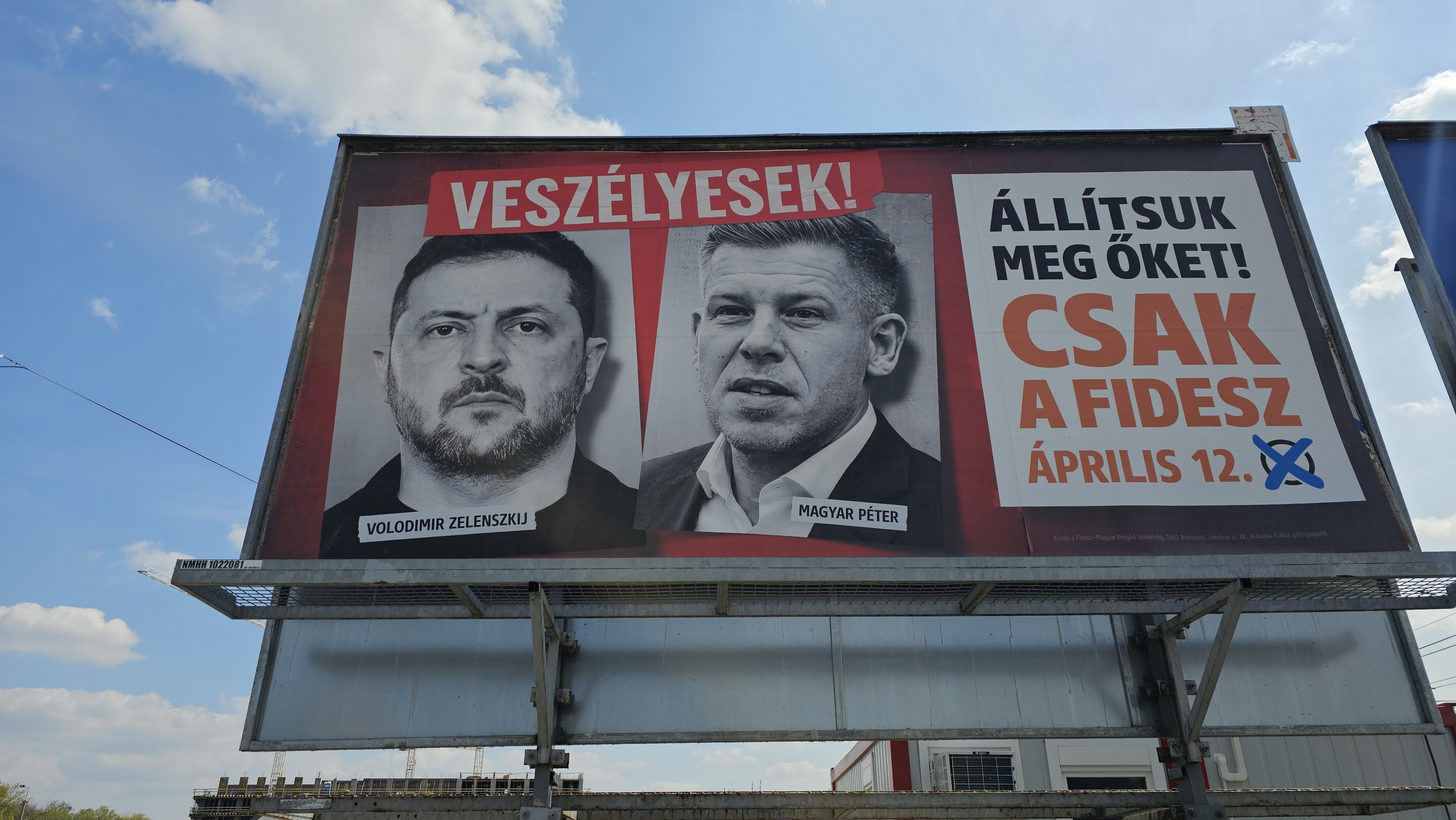
Zelenskyy and Magyar on Viktor Orbán’s campaign poster (photo: Milan Lelych / RBC-Ukraine)
Magyar’s background also leaves a certain legacy. Despite his image as a young reformer, he did emerge from Orbán’s Fidesz party. At the same time, each of Magyar’s individual statements should be viewed in context and with regard to the Hungarian prime minister’s communication style, as he is accustomed to making his point through sometimes very simple and even childish examples.
For example, Magyar first mentioned the Carpathian Eight while speaking in parliament and defending himself against lawmakers from Orbán’s party, who accused him of being pro-Ukrainian.
As for Hungary’s participation in the Carpathian Eight, it is also possible that this is simply a matter of jealousy, according to an RBC-Ukraine source in Budapest who has long been involved in Hungarian politics.
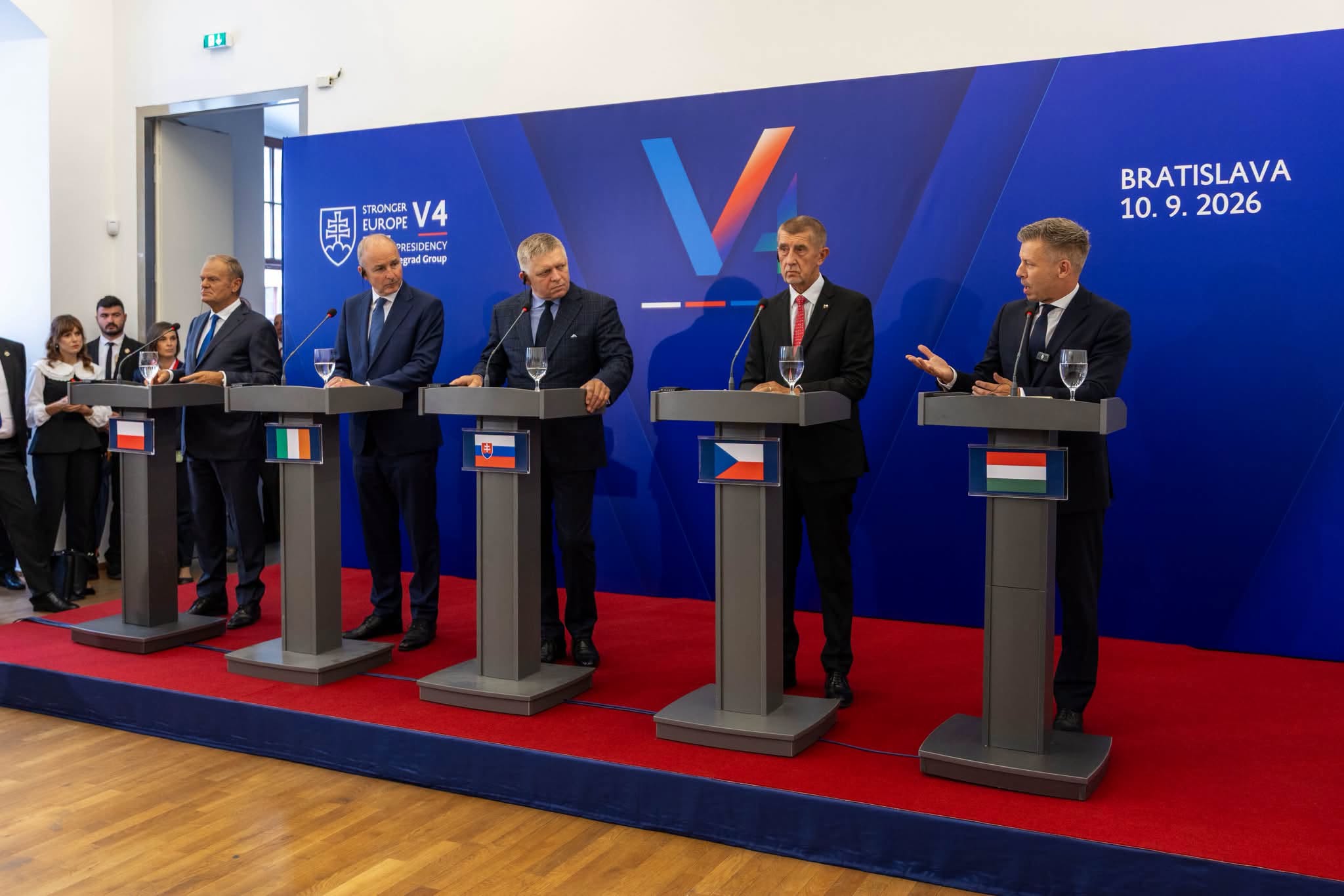
Péter Magyar at the Visegrád Four summit (photo: facebook.com/peter.magyar.102)
Magyar is paying more attention to reviving another regional organization – the Visegrád Four. This format, which brings together Hungary, Czechia, Slovakia and Poland, to some extent declined during Orbán’s years in power. Importantly, unlike in the C8, Magyar plays a leading role in the Visegrád Four.
However, the benefits for Hungary of participating in the Carpathian initiative and, more broadly, of improving relations with Ukraine are obvious.
Ultimately, Hungarian Foreign Minister Anita Orbán did not rule out Hungary joining the C8 in the future. In an interview with the Hungarian outlet Index, she said that Budapest was ready to participate in regional and bilateral cooperation formats if they served Hungary’s interests. However, according to Orbán, such participation should be preceded by negotiations and proper preparation.
Step by step
The main indicator of whether Kyiv and Budapest can build a partnership and avoid new political crises remains the resolution of the rights of national communities.
This track directly affects Ukraine’s path toward the European Union, as Hungary still blocks some of the negotiating clusters. There has been tangible progress in this area. According to Ukraine’s ambassador to Hungary, Fedir Shandor, on September 22, changes concerning the education of national minorities were finally agreed upon. Parliament must adopt them to advance Ukraine’s European integration. Importantly, the changes concern not only the Hungarian minority but other communities as well.
"The work of the expert commission has been completed. It met to clarify all the terms, commas, periods, and phrases in the Hungarian and Ukrainian languages that will be included as amendments to the law on national communities. And this concerns not only the Hungarian community but others as well," the diplomat said.
The next step was direct legislative work. The Verkhovna Rada has already registered the relevant bill, No. 16119, which is intended to finally enshrine the educational rights of national minorities. Péter Magyar also welcomed the registration of the bill.
The document has been drafted so thoroughly that, according to Shandor, no other country whose communities live in Ukraine – whether Romania, Bulgaria or Greece – should have any objections to it.
To vote on this and other European integration bills, the Verkhovna Rada will convene on October 12, after lawmakers return from work in their constituencies and committees.
A successful resolution of this issue would pave the way for unblocking Ukraine’s European integration process. According to an informed RBC-Ukraine source, under an optimistic scenario, two more negotiating clusters are expected to be opened as early as next week.
For its part, Hungary has also taken a step forward by lifting its veto on a technical decision that clears the way for the opening of these two clusters.
If the implementation of the law proceeds as planned and faces no new political obstacles, this will create the necessary conditions for a full-fledged meeting between Volodymyr Zelenskyy and Péter Magyar.
It is expected that after this summit at the highest level, Budapest will give the "green light" to open the final two clusters. According to preliminary plans, this should happen by the end of the year.
Energy challenges
The story surrounding the memorandum between Ukraine’s Naftogaz and Hungarian company MOL is somewhat separate, although in the media it has become intertwined with the issue of national minorities and negotiating clusters.
Most of the outlet's sources agree that one of the main reasons for Péter Magyar’s public dissatisfaction with the memorandum was that he learned about the document’s signing essentially from the news. The lack of prior consultations with the government was what prompted the prime minister’s strong reaction. But here, too, the context needs to be taken into account.
Magyar’s statement, once again, was made in parliament, where he is expected to demonstrate that he is defending national interests. At the same time, the broader framework of relations between Magyar’s government and MOL Group’s management is important.
It is Hungary’s largest oil and gas corporation. The state’s direct stake in the company is small, although the government holds a special Class B share that gives the state veto rights and strategic control over the company’s key decisions.
“Among the private shareholders are people who, in Péter Magyar’s view, are very, very close to Viktor Orbán. Accordingly, Magyar will always treat MOL as a major energy corporation with particular caution because he does not trust them,” Ilia Yurchyna said in comments to the outlet.
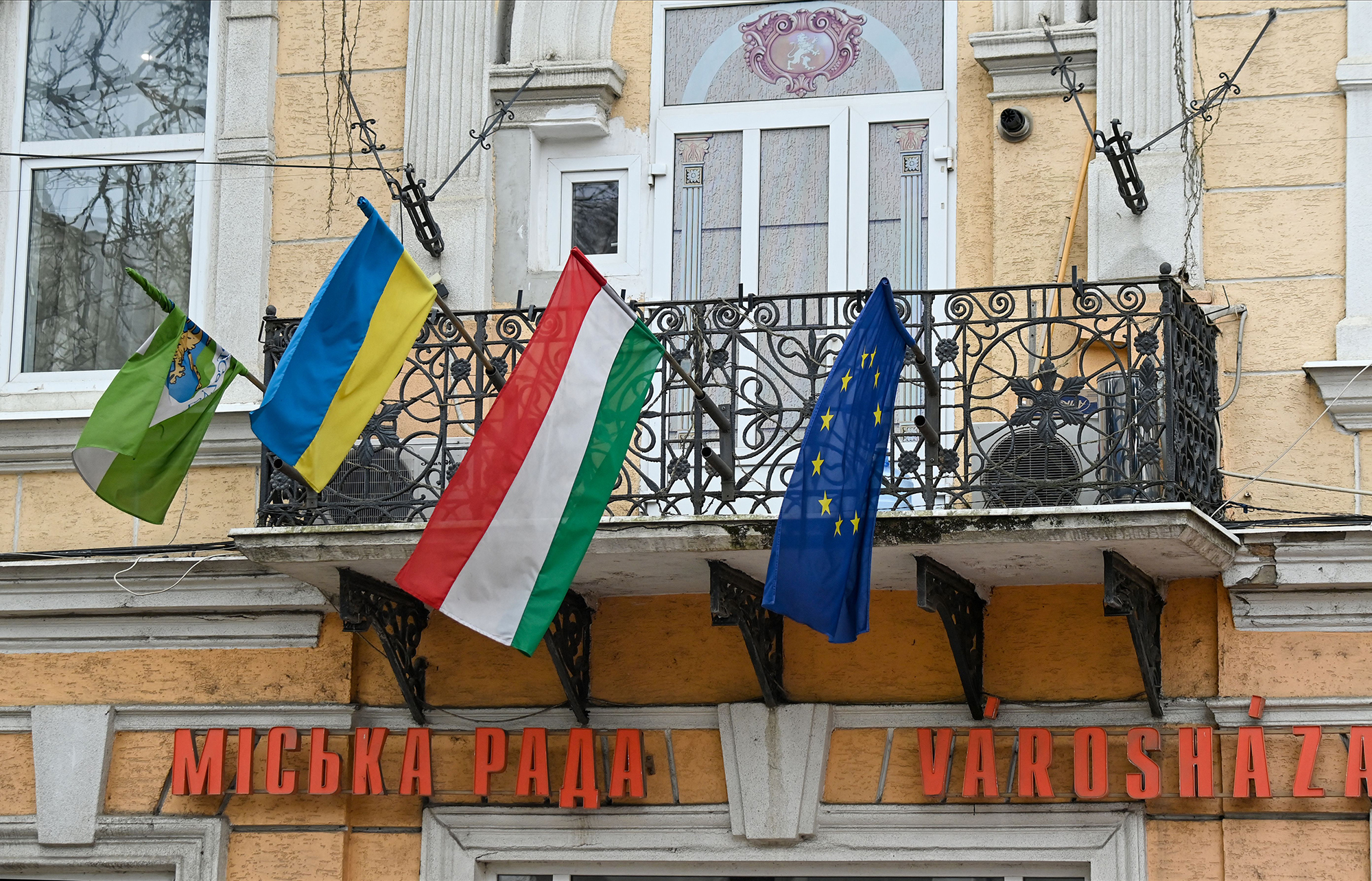
Flags of Ukraine, Hungary and the EU at the city hall of Berehove in Zakarpattia (photo: Getty Images)
Read also: Druzhba pipeline countdown: How US and EU tighten pressure on Orbán's energy power
It seems that all of this also overlaps with the Hungarian government’s desire not to escalate relations with Russia too much, as Budapest will continue receiving energy supplies from Russia until October 2027. Although the EU has rejected Russian gas and oil, a temporary exception was made for Hungary and Slovakia at Orbán’s insistence.
At the same time, relations between Hungary and Russia can hardly be described as warm at present. In early September, Magyar’s government ordered 10 Russian diplomats to leave the country on national security grounds. In response, on October 1, Russia announced the reciprocal expulsion of a group of Hungarian embassy and consulate staff.
Under these circumstances, the government is likely to view storing oil reserves for Ukraine as an excessive security risk that could provoke further action by Russia. And it seems that the company itself understands this as well.
In response to an inquiry from RBC-Ukraine, MOL said that the memorandum with Naftogaz was similar to others it had previously signed with other European companies. Such agreements are usually the first step toward exploring potential areas of cooperation and launching a preparatory process that may, but does not necessarily have to, lead to the implementation of a specific project.
The company said that the memorandum of understanding signed with Naftogaz fits within this framework of international cooperation. It added that MOL is examining technical conditions and financial opportunities, as well as determining the environmental, security and regulatory requirements that need to be met, noting that the process may take several years.
Given the current circumstances, any potential project involving Ukraine is most likely to emerge in the context of the country’s future recovery and reconstruction. It is important to note that no final decision has yet been made.
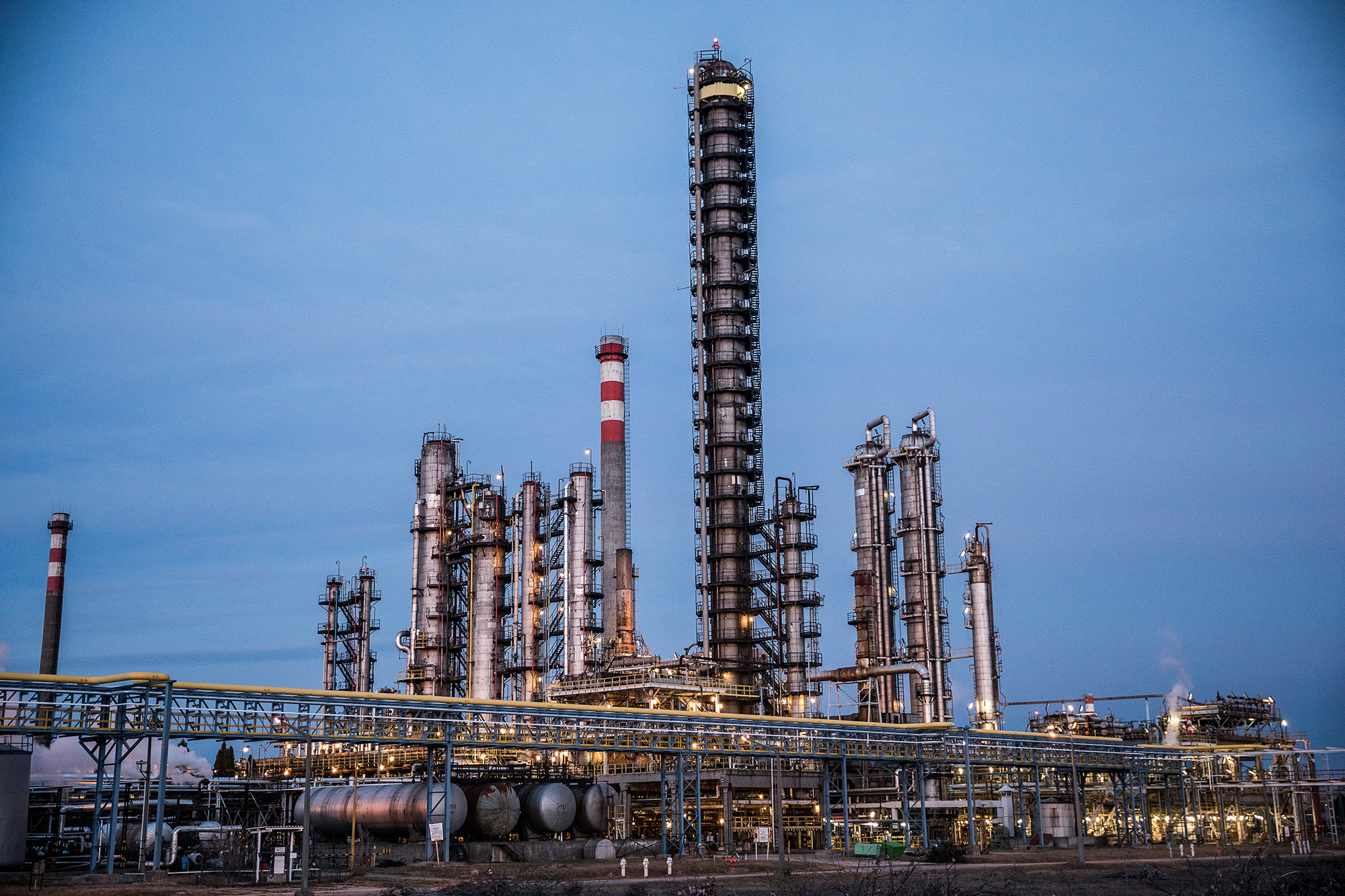
MOL oil refinery in Hungary (photo: Getty Images)
"MOL fully understands the standpoint of the Hungarian Government. Should the preliminary assessments and feasibility studies move forward, and should the project receive the necessary support from relevant decision-makers, any subsequent steps would be taken in close consultation with all relevant stakeholders and Governments and in full compliance with the applicable regulatory framework," the MOL Group said.
Difficult conversations
The warming of relations between Ukraine and Hungary would ideally be cemented by a summit between Volodymyr Zelenskyy and Péter Magyar. When it will take place still depends on the practical implementation of the agreements on national minority rights. But the key groundwork for their meeting is being laid right now.
"Unfortunately, the perception has already taken hold that since 2017, these amendments have taken a very long time and have been accompanied by tensions, and the Hungarian side wants to see signs of trust. A sign of trust has been given: we agreed on all the points that were critical and are moving forward. We could have failed to agree, stopped and waited. Instead, everything is actually moving in turbo mode," Fedir Shandor told RBC-Ukraine.
Reasons for stepping up dialogue or establishing additional contacts will emerge in the near future. In particular, on October 23, Hungary marks an important national holiday commemorating the beginning of the 1956 anti-communist uprising and the proclamation of the Hungarian Republic in 1989.
At the same time, Kyiv must understand that Péter Magyar will try, for domestic political reasons, to present any real progress on the bilateral track to his voters exclusively as his own diplomatic victory.
Previously, politicians could convey different and sometimes contradictory messages to domestic and foreign audiences, which created fewer misunderstandings.
Now the information flows have completely merged. Therefore, Ukraine will need particular wisdom to soberly assess what exactly the Hungarian prime minister is declaring, in what context and for whom, and not perceive his domestic political bravado as a reason for taking offense.
Quick Q&A:
– When could Hungary fully unblock Ukraine’s EU accession negotiations?
– The first two negotiating clusters could be opened in mid-October immediately after the Verkhovna Rada (parliament) votes on the agreed language amendments. The final lifting of the veto on the other two clusters is expected after an official summit between the leaders of both countries by the end of this year.
– What exactly is Ukraine changing in its national minority legislation as part of the compromise with Budapest?
– The Ukrainian and Hungarian sides have agreed on an amended draft law No. 16119, which regulates the educational and language rights of national communities. The document is drafted in line with European standards and protects the rights of not only the Hungarian minority but also other communities, including Romanian, Bulgarian and Greek.
– Why does Péter Magyar criticize Ukraine if his government is making diplomatic compromises?
– The Hungarian prime minister’s tough public statements are aimed at domestic voters and are a response to criticism from Viktor Orbán’s opposition party. Magyar has to demonstrate a firm position to a conservative audience, so he will present any progress in relations with Kyiv as his own political victory.
– Under what conditions will Volodymyr Zelenskyy and Péter Magyar hold a face-to-face meeting?
– The main prerequisite for a summit at the highest level is the practical adoption and beginning of implementation of the law on national minority rights by December. Official confirmation that the language requirements have been fulfilled will create the necessary level of trust for the meeting to take place.