Hormuz is only the beginning? 5 global chokepoints that could disrupt world economy


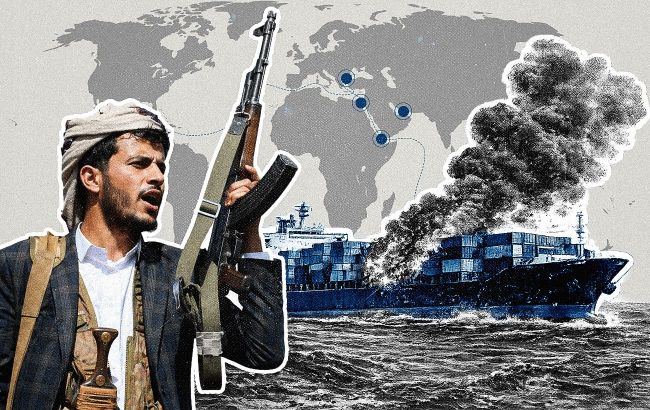 Straits that could halt the global economy (collage: RBC-Ukraine)
The crisis around the Strait of Hormuz has shown how vulnerable the global economy is. But there are many similar chokepoints around the world.
Where new problems could potentially arise and how Ukraine can help address them — read in the RBC-Ukraine article.
Key points:
- Chokepoints for Ukraine and Russia: the Bosporus in the Black Sea and the Danish Straits in the Baltic are key for exports of Kyiv and Moscow.
- Bab el-Mandeb threat: Iranian missiles in the hands of the Houthis are capable of striking vessels on the route from Asia to Europe. At present, this is potentially the most dangerous zone.
- Malacca dilemma: the shortest corridor from the Middle East to Asia could be blocked due to a conflict between the United States and China.
- Risks in Panama: the canal that provides a direct route from the Atlantic to the Pacific faces risks of shallowing due to climate change.
- Problems and solutions: protection of navigation in narrow straits now depends on the ability to quickly unblock them. Ukraine has relevant experience here.
March 2021 became a clear lesson for the global economy. The 400-meter container ship Ever Given blocked the Suez Canal for six days. The world stood still.
Millions of people online watched a lone Egyptian excavator trying to clear the path for the giant. The consequences were felt even by those who had never seen the sea.
Due to the traffic halt, prices for electronics in Ukraine immediately surged — new iPhones and other household appliances had to be delivered via alternative routes. Every hour of disruption in the Suez Canal costs global trade about 400 million dollars.
"I remember passing through this structure on the frigate Sahaidachnyi. Caravans line up and move from the north and the south. Then, in the central part, there is a lake where they diverge. And then, again, a one-way route," explained to RBC-Ukraine the specifics of navigation through the Suez Canal by Andrii Ryzhenko, a reserve captain first rank and deputy chief of staff of the Ukrainian Navy in 2004–2020.
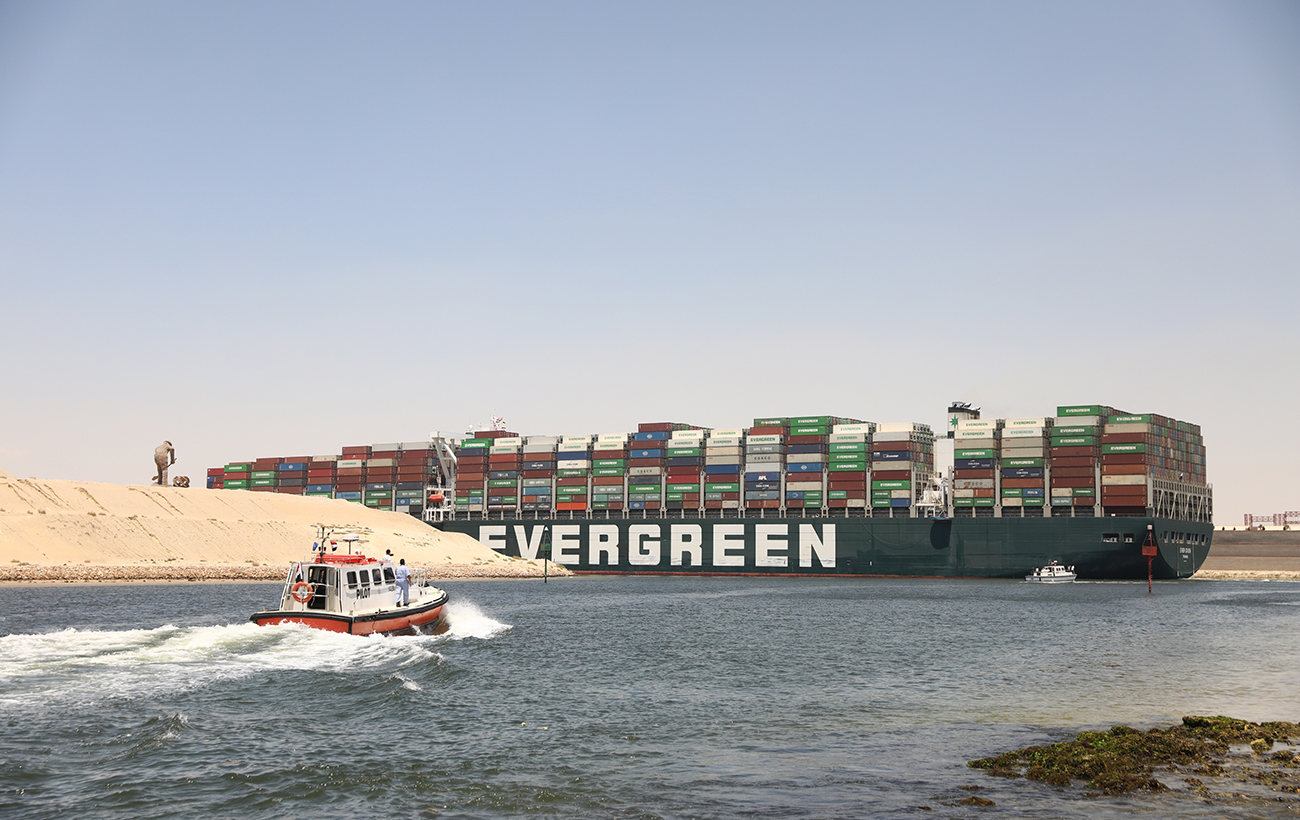 Stranded container ship Ever Given in Suez Canal (photo: Getty Images)
Five years later, in 2026, the scenario repeated itself. Iran blocked the Strait of Hormuz, through which one-fifth of global oil consumption passes. The market immediately reacted with a surge in oil prices, followed by rising fuel costs.
Today, global attention is focused on the Middle East, but the map holds many other pain points that are critical for both Ukraine and Russia.
Bosporus and Danish Straits
The Bosporus and the Dardanelles, which connect the Black Sea with the Mediterranean, are the only gateway for Ukrainian maritime exports and imports. In 2022, the world saw how fragile this stability is when the blockade of ports nearly led to a global food crisis and difficult negotiations over the grain corridor.
Russia is in a similar position of dependence: enormous volumes of its exports — from oil and petroleum products to food — pass through these straits.
However, neither Kyiv nor Moscow can block each other's exports through the straits. The key factor is Türkiye's position. Ankara has for almost 100 years solely controlled navigation through them in accordance with the Montreux Convention (an international agreement that establishes Türkiye's sovereignty over the straits).
Türkiye has closed the straits to military ships of both warring sides. It continues to maintain neutrality in the commercial sphere as well.
Any attempt to block the passage of Russian tankers would automatically mean confrontation with Moscow for Türkiye, so the country prefers to act as a hub and intermediary, benefiting from transit.
A somewhat different but no less complex situation exists with the Danish Straits, which connect the Baltic Sea with the Atlantic Ocean (the Great Belt, the Little Belt, and the Øresund).
The main flow of raw materials from Russian Baltic ports — Ust-Luga and Primorsk — passes through them. Despite sanctions and discussions about restricting the shadow fleet, Europe has not yet decided on a full blockade.
Blocking Russian vessels in the Danish Straits is a complex task due to international obligations and the risk of escalation. Despite sanctions, the European Union and Denmark have limited legal grounds to fully stop transit.
"Any closure of an international strait for an undefined group and number of vessels, or for a specific country or port of departure, is a blockade, that is, an act of war," said to RBC-Ukraine Borys Babin, Doctor of Law and expert of the Association of Reintegration of Crimea.
This is exactly the situation that has developed in the Strait of Hormuz and the Persian Gulf, where an international armed conflict is ongoing.
"Therefore, such a general closure in the Baltic can only be carried out by a state that is directly involved in an armed conflict, while other Baltic countries, in particular Denmark, cannot take even the measures that Türkiye introduced for the Black Sea under the Montreux Convention," he explained.
In addition, a blockade must be real. That is, it must be supported by naval forces, not just statements. Otherwise, all neutral countries have the full right to ignore the blockade.
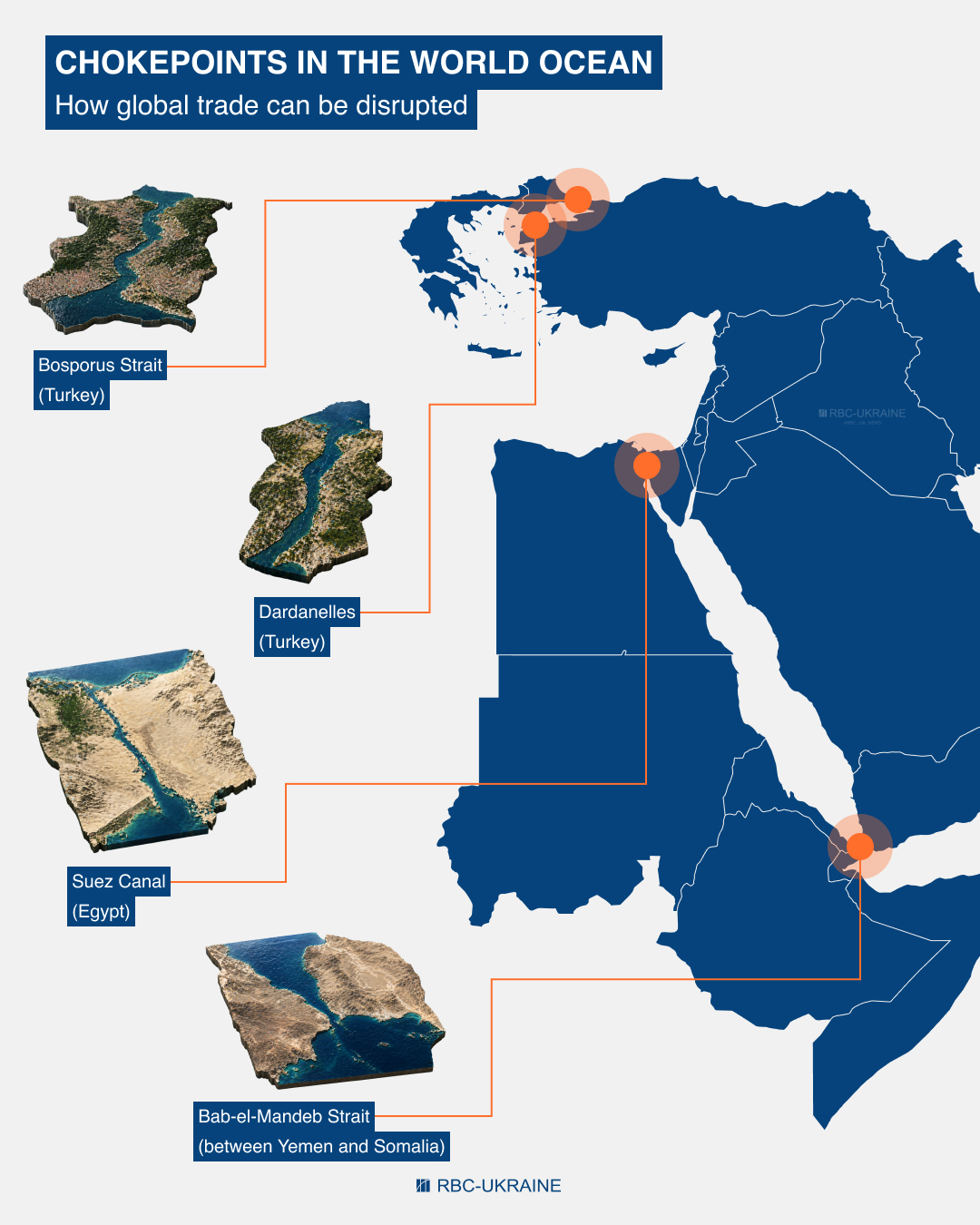 Key global maritime chokepoints critical for Europe (collage: RBC-Ukraine)
"Thus, the only country that currently has the right to take measures to block the Baltic straits for all vessels controlled by Russia or heading to and from Russian ports is Ukraine. And exclusively through the use of practical means and, most likely, outside Denmark's territorial waters," added Borys Babin.
According to him, all other restrictions on passage through the Baltic straits can apply only to specific vessels. And only in cases of violations of maritime safety rules or Denmark's state interests.
Therefore, for now, without the ability to physically block the straits, Ukraine has chosen another path. Drones and cruise missiles have been put into use. Strikes on oil terminals in Novorossiysk, port infrastructure in Ust-Luga, and Tuapse limit Russian exports no less than a blockade.
Bab-el-Mandeb
Not far from the Strait of Hormuz, there is another point no less important for the global economy — the Bab el-Mandeb. It leads to the Red Sea and the same Suez Canal.
Most goods from China and other Asian countries to Europe pass through this corridor. Unlike the Strait of Hormuz, this is not the only route. However, the alternative — around Africa — is much longer and more expensive. According to Andrii Ryzhenko, such a detour adds at least two weeks to the journey.
Bab-el-Mandeb is blocked perhaps more often than any other place in the world. The reason is chronic instability along its shores.
To the south lies Somalia — a territory that can be called a single state only formally. A prolonged conflict has been ongoing there for many years, during which piracy has flourished. Its peak came between 2008 and 2012.
Pirates in small boats would simply go out to sea and, in groups of several dozen people, board vessels passing through the strait. They would then capture the crew to demand ransom.
The problem became so large that an international coalition had to be created to patrol the region. The European Union deployed forces under Operation Atalanta, and NATO under Operation Ocean Shield. However, the fight against piracy was not limited to the sea.
"The key factor was the implementation of a United Nations initiative to block pirates' financial flows. When those were blocked, piracy effectively collapsed on its own," Ryzhenko recalled.
To the north of the strait lies Yemen. Like Somalia, it is a territory divided among different groups. The most powerful of them is Ansar Allah, or the Houthis. They have long-standing ties with Iran.
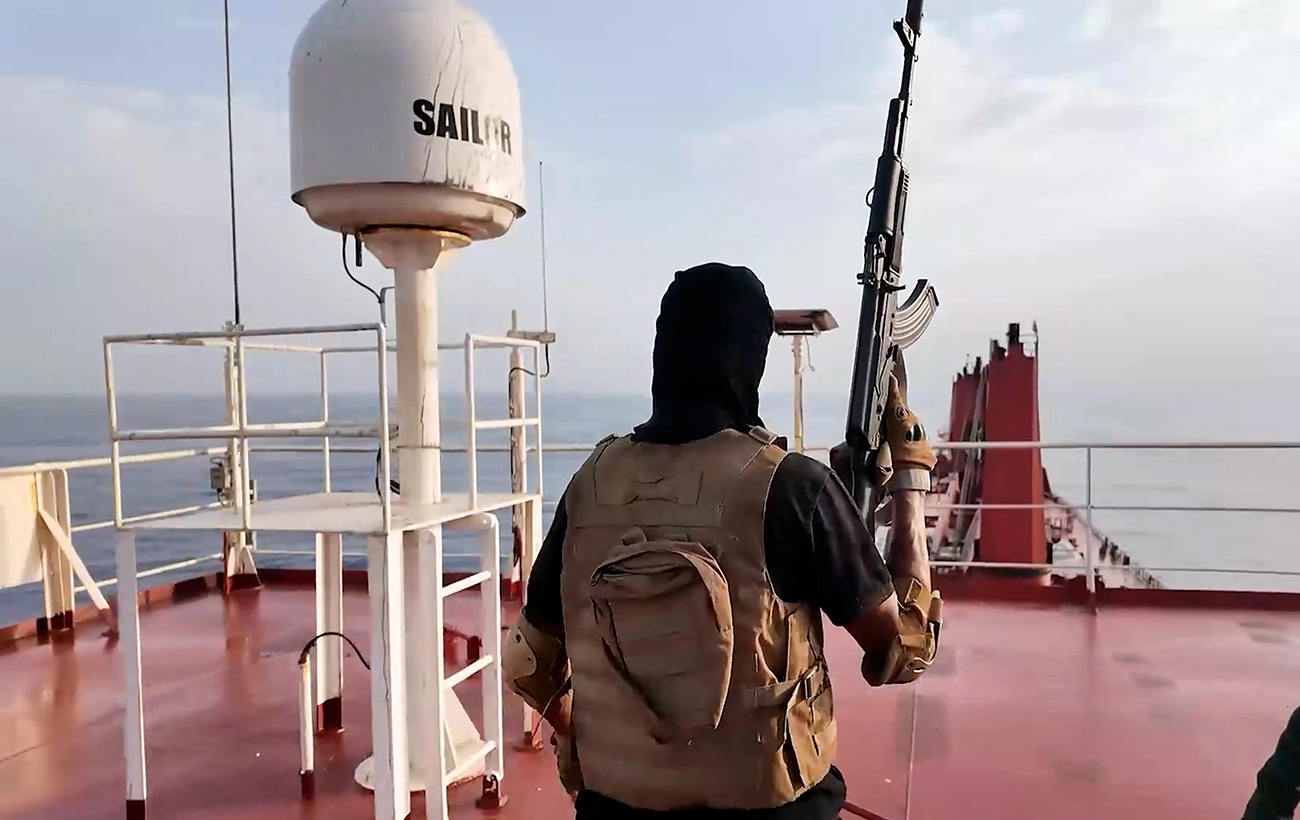 Fighter of Ansar Allah aboard one of the seized vessels (photo: Getty Images)
Tehran has supplied the Houthis with modern weapons, including cruise and ballistic missiles. This allows them to strike targets even in Israel at a distance of one and a half thousand kilometers, not to mention vessels near their own coast.
The largest escalation in the Bab el-Mandeb occurred at the turn of 2023–2024. At that time, the Houthis began attacking commercial ships with anti-ship missiles, justifying this as support for the terrorists of Hamas in the Gaza Strip.
During the recent war between the United States and Israel against Iran, the threat from the Houthis remained, but the group did not fully enter the conflict. Their involvement was limited to only a few attacks.
However, the risk that the Houthis may one day attempt to completely block Bab-el-Mandeb remains real.
Malacca Strait
If the Bab el-Mandeb is a gateway to Europe, then the Malacca Strait is a vulnerable point for all of East Asia.
"This is the shortest route between the Indian and Pacific Oceans. And, in fact, it is the main corridor for China, Japan, and South Korea. This is where all the oil from the Middle East goes to Asia. Malacca is logistically inseparably linked to the Strait of Hormuz," noted Andrii Ryzhenko.
Because of this, the strait is crucial in the event of a war between the United States and China. In Washington, they do not hide that in the event of a conflict, for example, around Taiwan, the United States may apply a strategy of a distant blockade against Beijing.
To do this, it is not even necessary to enter China's territorial waters — it is enough to block the entrance to the Malacca Strait from the Indian Ocean side.
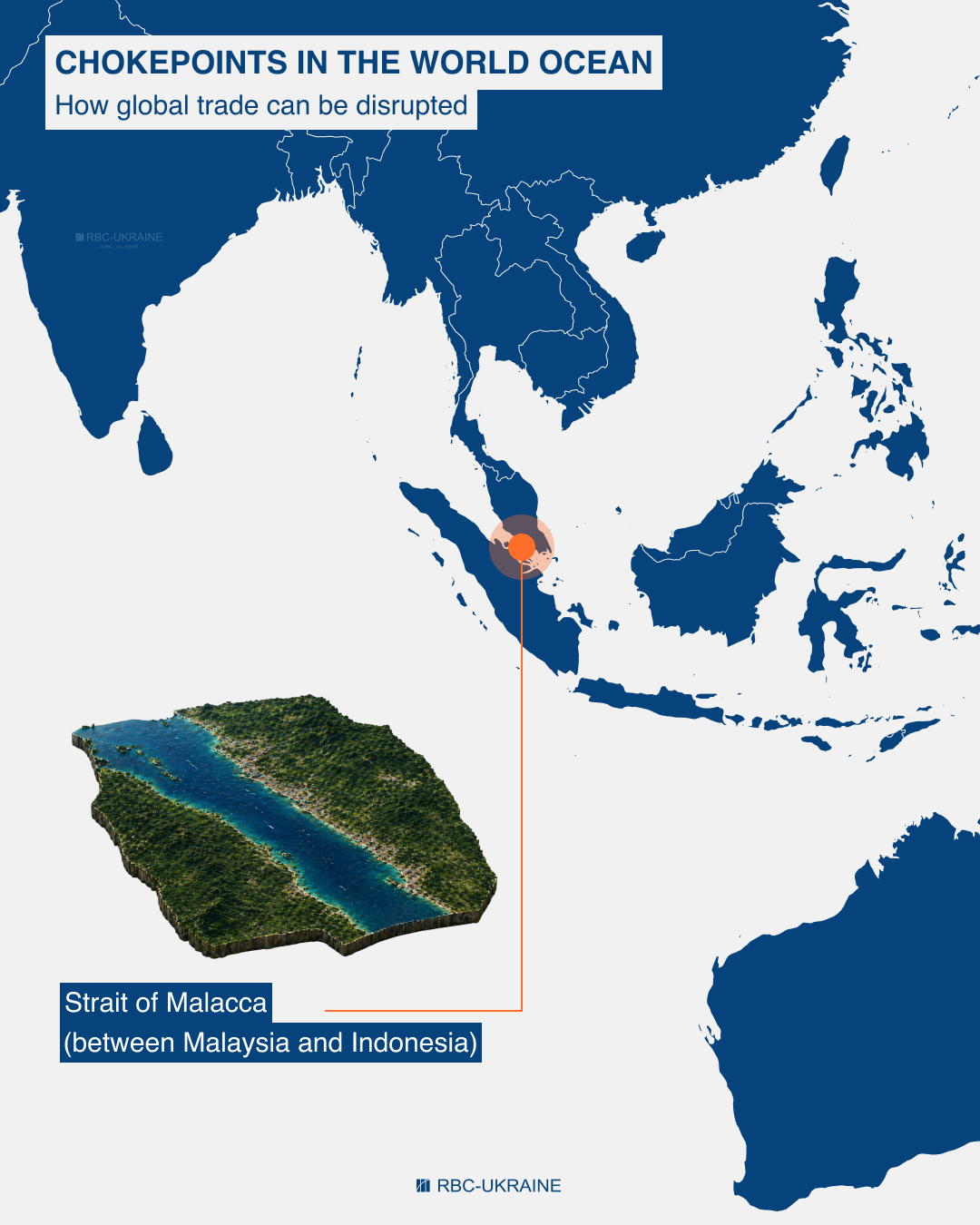 Malacca Strait and its significance (collage: RBC-Ukraine)
"China has long been aware of this risk. Beijing has already implemented several projects to bypass the strait," Nataliia Butyrska, senior analyst at the New Europe Center, told RBC-Ukraine.
A key route here is from China's inland provinces to the Pakistani port of Gwadar. There were also attempts to build a logistics route through Myanmar (formerly Burma), but Beijing failed there due to political instability in the country.
In addition, China has begun purchasing gas and oil from Russia, Central Asia, Malaysia, and Australia — via routes that do not depend on the Malacca Strait.
At the same time, Beijing has increased its military presence in the South China Sea, near Malacca. Therefore, it can also influence maritime traffic itself.
"The problem now is different. Whether China will use its military capabilities under certain conditions. And then it will no longer be America threatening China, but on the contrary, China will block the Malacca Strait — and thereby, for example, block the ability to receive energy resources for Taiwan, South Korea, or Japan," Butyrska noted.
Malacca has become the first frontier in the maritime rivalry between Beijing and Washington, but the real confrontation between them is unfolding on the other side of the globe — in Panama.
Panama Canal
The Panama Canal was built only at the beginning of the 20th century with funding from American investors. It made it possible to drastically shorten the route between the Atlantic and Pacific Oceans. Previously, ships had to sail around all of South America — an extra 13,000 miles of a risky journey.
The canal is especially important for connecting the east and west coasts of the United States. In 1977, the United States transferred control of it to Panama, but retained the right to operate it.
Over the past century, Washington has sent troops into the country several times to ensure stability. The most well-known operation took place in 1989–1990 to remove local dictator Manuel Noriega, who posed a real threat to navigation.
"This canal is more associated with container ships, but it is an important structure, and in principle, many countries, when conflicts begin, the first thing they do is simply block such routes and disrupt business," explained Andrii Ryzhenko.
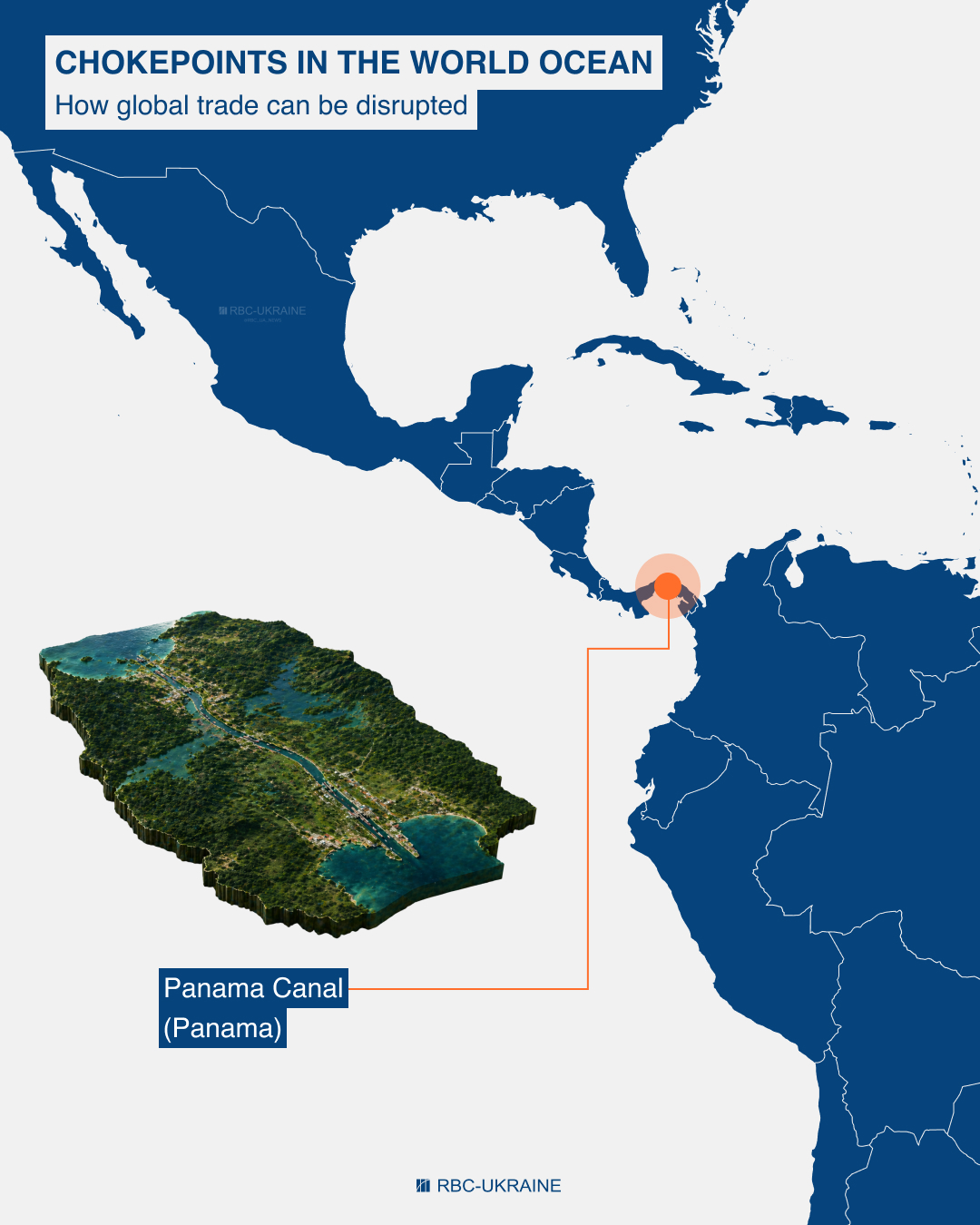 The Panama Canal is key for the United States (collage: RBC-Ukraine)
Over time, China became interested in this waterway. Since 1997, the Hong Kong company Hutchison Ports has managed two ports — Balboa and Cristobal — on both sides of the Panama Canal. This gave Beijing not only financial benefits but also strategic information about every cargo in the Western Hemisphere.
"This is about expanding influence globally. China launched its Belt and Road Initiative from the perspective of economic expansion. Then a political dimension was added. China does not speak about it, but later it became clear that many ports had military and strategic significance, including those in Panama," noted Nataliia Butyrska.
Attention from Washington to the canal increased with the return of Donald Trump. Under strong pressure from the United States, the Panamanian authorities effectively pushed out the Chinese: port management was transferred to an American consortium led by BlackRock.
The Supreme Court of Panama declared the old concessions of Hutchison Ports unconstitutional. As reported by The Wall Street Journal, the deal was concluded without coordination with Beijing, which provoked anger in China and an investigation into Hutchison's management.
Now a legal battle is ongoing around the port terminals, while the Chinese shipping giant COSCO has suspended operations in Panama, thereby dealing a blow to the country's economy.
However, today the biggest threat to the canal is climate change. The extreme drought of 2024–2025 led to a critical shallowing of Gatun Lake, which supplies water to the canal's locks.
The administration was forced to introduce strict limits on the number of vessels. This created huge queues. Now the water level in the lake has increased, but by the end of the year, shallowing may occur again.
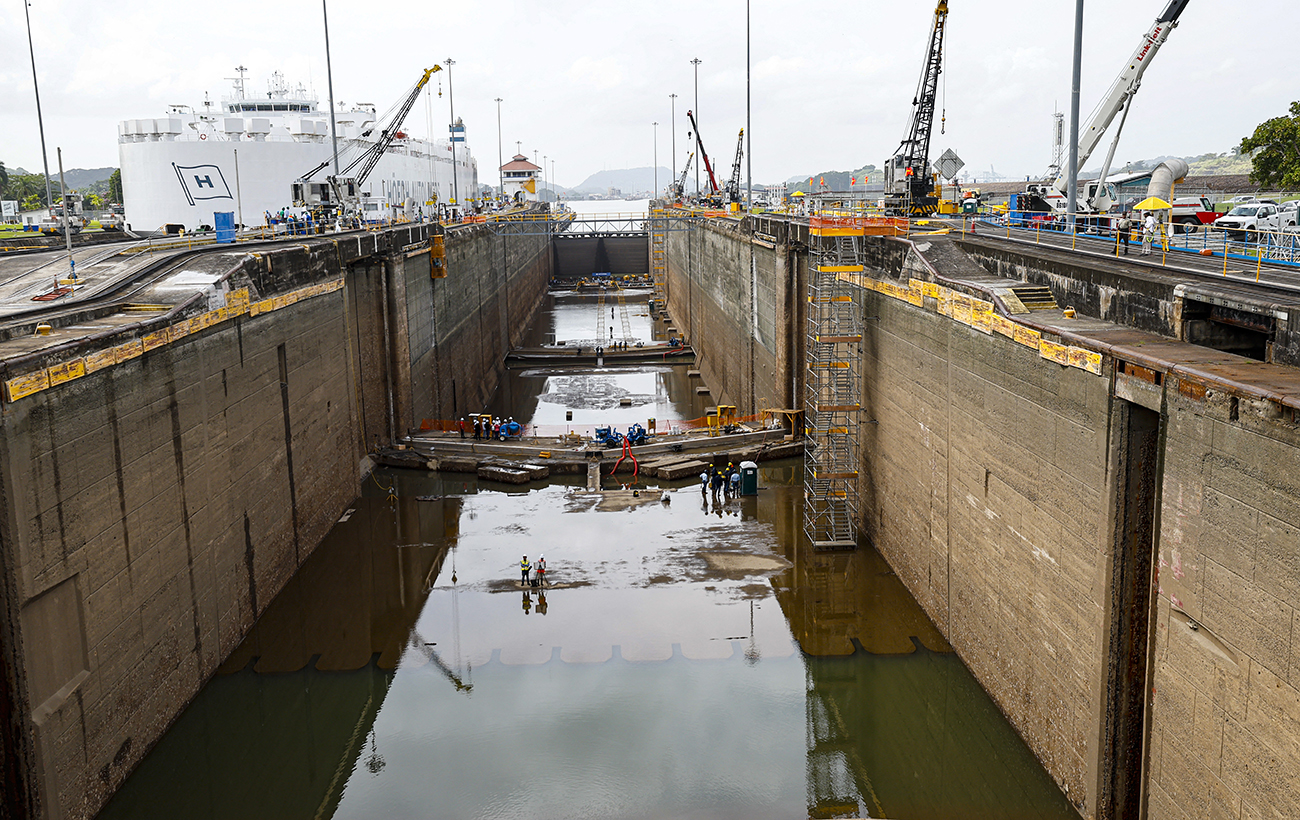 Shallow Panama Canal (photo: Getty Images)
For Ukraine, the situation in Panama has a direct impact. Restrictions in the Panama Canal redirect flows of American liquefied gas, which is critical for Europe's energy security. When tankers get stuck near Panama, more American gas remains in the Atlantic and is delivered to Europe, where prices go down.
But as soon as the canal operates at full capacity, Asia begins to pull American resources toward itself, triggering shortages and price increases at European hubs.
Solutions to the problem
New crises in the Bab el-Mandeb or the Malacca Strait may arise sooner or later. Not to mention the Strait of Hormuz, where full navigation has still not been restored. However, the main question is not where the next escalation will occur, but what to do about it.
Here, Ukraine can offer the world a unique experience, as it went through a Russian naval blockade in 2022.
In Hormuz, Iran is using the same set of tools that the Ukrainian Armed Forces learned to counter in the maritime space between Odesa and Snake Island: drones, mines, and missiles. But unlike previous years, the success of unblocking operations now depends on minimizing the size of vessels.
"The main thing in such a confined area is not to become a target yourself. This is relevant for any ships or boats longer than 40 meters," noted Andrii Ryzhenko.
Traditional minesweepers have become too vulnerable to modern weapons. "Even 15 years ago, NATO considered these ships suitable only for low-intensity conflicts, and they were always under the protection of coastal air defense systems," he added.
In a large-scale war, such vessels would be destroyed before even approaching. This is one of the reasons why the United States has not yet undertaken full-scale mine clearance in the Strait of Hormuz.
That is why the concept of a robot fleet may be more effective. Unblocking and patrolling today are only possible with the help of unmanned systems — aerial, surface, and underwater.
Kyiv already has these capabilities and is ready to share them. However, whether the Ukrainian standard will become global now depends not only on technology, but also on the political will of partners.
Quick Q&A
– Which maritime straits are most critical for the global economy in 2026?
– The key points remain the Strait of Hormuz and Bab el-Mandeb due to energy transit, as well as the Malacca Strait, which connects Asia with the Indian Ocean. In addition, due to drought and climate change, the condition of the Panama Canal has become critically important.
– Can Ukraine legally block Russian vessels in the Baltic Sea?
– According to international law, only a country participating in an armed conflict has the right to carry out an actual blockade of straits. This allows Ukraine to take practical measures (using drones or missiles) against vessels controlled by Russia outside the territorial waters of neutral states such as Denmark.
– Why does Türkiye not close the Bosporus and the Dardanelles to Russian commercial vessels?
– Ankara follows the Montreux Convention, which obliges it to maintain freedom of navigation for commercial fleets even during war. A full blockade of Russian exports would mean confrontation with Moscow and the loss of Türkiye's status as a neutral logistics hub.
– How does the blocking of the Panama Canal affect gas prices in Ukraine?
– Due to the shallowing of the canal, tankers with American liquefied natural gas are forced to take longer routes or redirect cargo. This causes a gas shortage in Europe and rising prices at energy hubs, which directly affect tariffs for the Ukrainian industry and the commercial sector.
– Which means are most effective today in combating piracy and blockades?
– Ukraine's experience in the Black Sea has shown that the era of large vulnerable ships is coming to an end. The most effective solution is a robot fleet — the use of a network of autonomous surface, underwater, and aerial drones for patrolling, mine clearance, and fire engagement of targets.