Energy blackmail: Will Hungary and Slovakia cut power and diesel supplies to Ukraine?


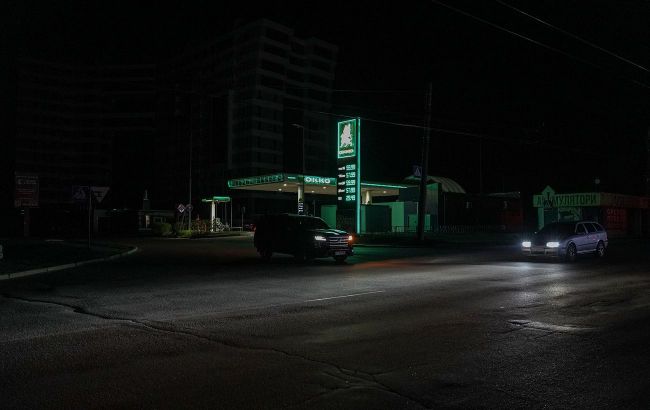 Photo: Gas station during power outages (Getty Images)
Budapest and Bratislava are stepping up pressure on Kyiv. After the suspension of the Druzhba oil pipeline, the neighboring countries are threatening to cut off gas, diesel, and electricity supplies to Ukraine.
Whether this could lead to blackouts and fuel shortages at Ukrainian gas stations is examined in the RBC-Ukraine report.
Key points:
- Gas supplies are sufficient: Ukraine has large reserves, so a halt in imports is not alarming. The only way for the neighbors to turn off the tap would be to resort to a trick and invent unscheduled maintenance.
- There will be no diesel shortage: if supplies are halted, Ukraine can easily and quickly replace them with fuel from other countries.
- Electricity is the weak spot, but it’s a bluff: Hungary and Slovakia currently account for as much as 70% of Ukraine’s total electricity imports. However, they cannot simply stop imports on their own, as such decisions are strictly regulated by ENTSO-E.
Gas reserves as a safety cushion
Hungary and Slovakia indeed account for a significant share of Ukraine’s gas import structure. In January, Ukraine received 322 million cubic meters of gas from these countries, making up 46% of total gas imports, Mykhailo Svishcho, a gas market analyst at consulting company ExPro, told RBC-Ukraine.
"As for gas, it will be unpleasant, but not critical. The peak cold weather seems to have passed, production has stabilized, and reserves in underground storage facilities are 40% higher than on the same date last year," he says.
The expert believes that if Hungary and Slovakia take this step, Ukraine will be able to increase gas imports from Poland. Moreover, Naftogaz has already contracted liquefied natural gas supplies from the United States via Greece in March of this year.
Restrictions from the two neighboring countries may affect preparations for the next heating season, but substantial reserves provide confidence for the current season.
"There are significant reserves in underground storage facilities to offset any disruptions in imports," adds Mykhailo Svyshcho.
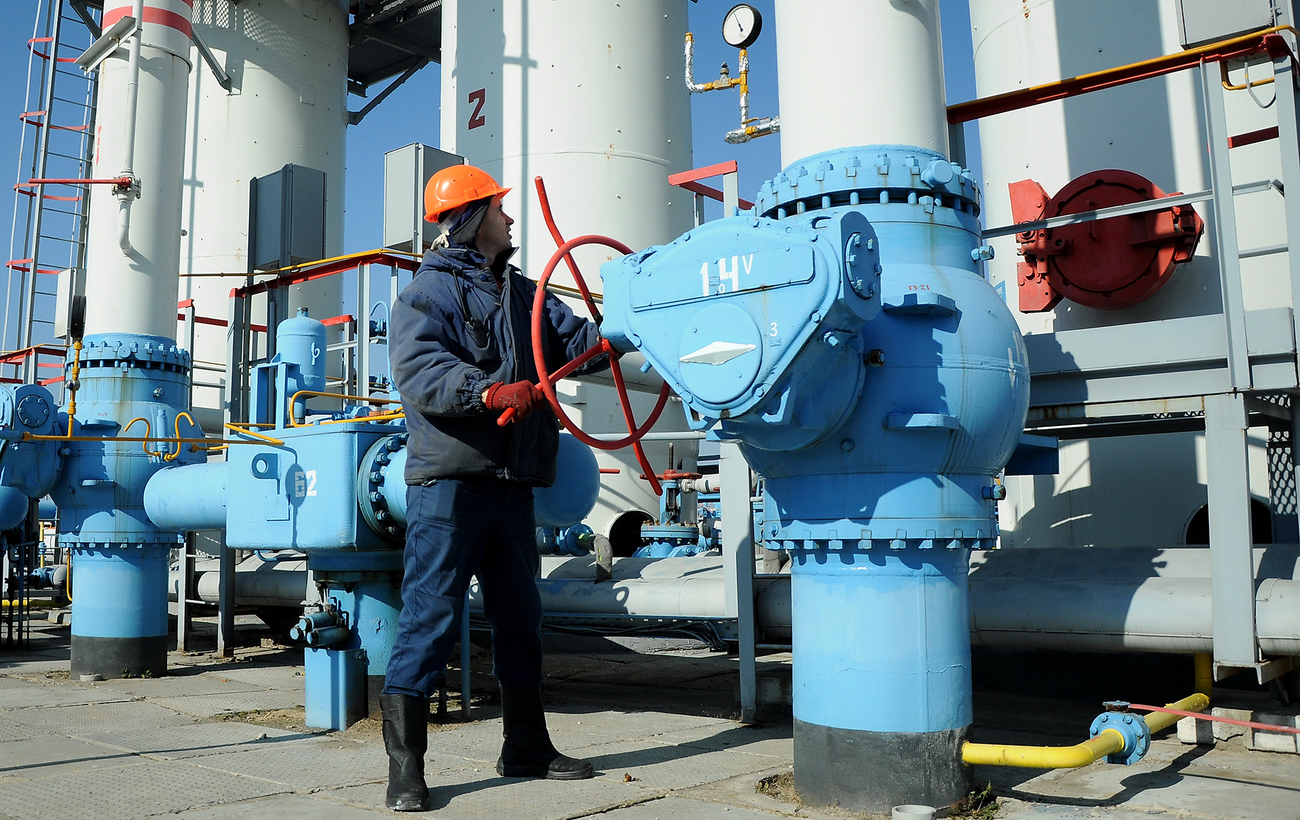
Gas reserves in underground storage facilities exceed last year’s level by 40% (Getty Images).
It will be difficult for the governments of Hungary and Slovakia to directly ban private companies from selling gas to Ukraine. However, as an analyst at ExPro Consulting suggests, they have another lever: local state gas transmission system operators could suddenly initiate "unscheduled maintenance" to physically shut off the pipeline.
"This would be a precedent — nothing like this has ever happened before. Moreover, gas supplies have nothing to do with the shutdown of the Druzhba oil pipeline," the expert emphasized.
Alternative sources of diesel
Hungary’s share of diesel supplies to Ukraine has been gradually increasing. As Mykola Sychov, an analyst at NaftoRynok, explained in a comment to RBC-Ukraine, last year Ukraine received 9% of all imported diesel fuel via the PrykarpatZakhidTrans pipeline, and in January this year this figure rose to 11%.
"The suspension is not critical, but the supply volumes are substantial and play an important role, as they are transported directly inland (via pipeline — ed.)," he added.
Amid cold winter weather, supplies of frost-resistant diesel are important for Ukraine. However, weather conditions are expected to improve in the near future.
"A positive factor is the improvement in weather conditions, as the need for frost-resistant fuel from the MOL Group (Hungarian oil company — ed.) or Slovnaft (a Slovak company — ed.) is decreasing," Mykola Sychov noted.
The analyst is convinced that Ukraine will be able to replace the halted diesel volumes with imports from Poland (including transit from Lithuania), Romania, Greece, and Türkiye.
"Fuel is supplied to Ukraine via various routes, for example, by tankers from Greece, barges from Romania, as well as by rail and road transport," Sychov added.
Risks to Ukraine’s energy supply
The most significant factor is electricity imports from Hungary and Slovakia. As Daria Orlova, electricity market analyst at ExPro Consulting, told RBC-Ukraine, Hungary’s share in Ukraine’s electricity import structure amounted to 45%, while Slovakia’s share stood at 18%. In 2025, these figures were 42% and 19%, respectively.
"In February, Hungary and Slovakia together account for 70% of the import structure. This share is quite substantial and important for Ukraine — it represents more than 1.4 GW of additional capacity," the analyst said.
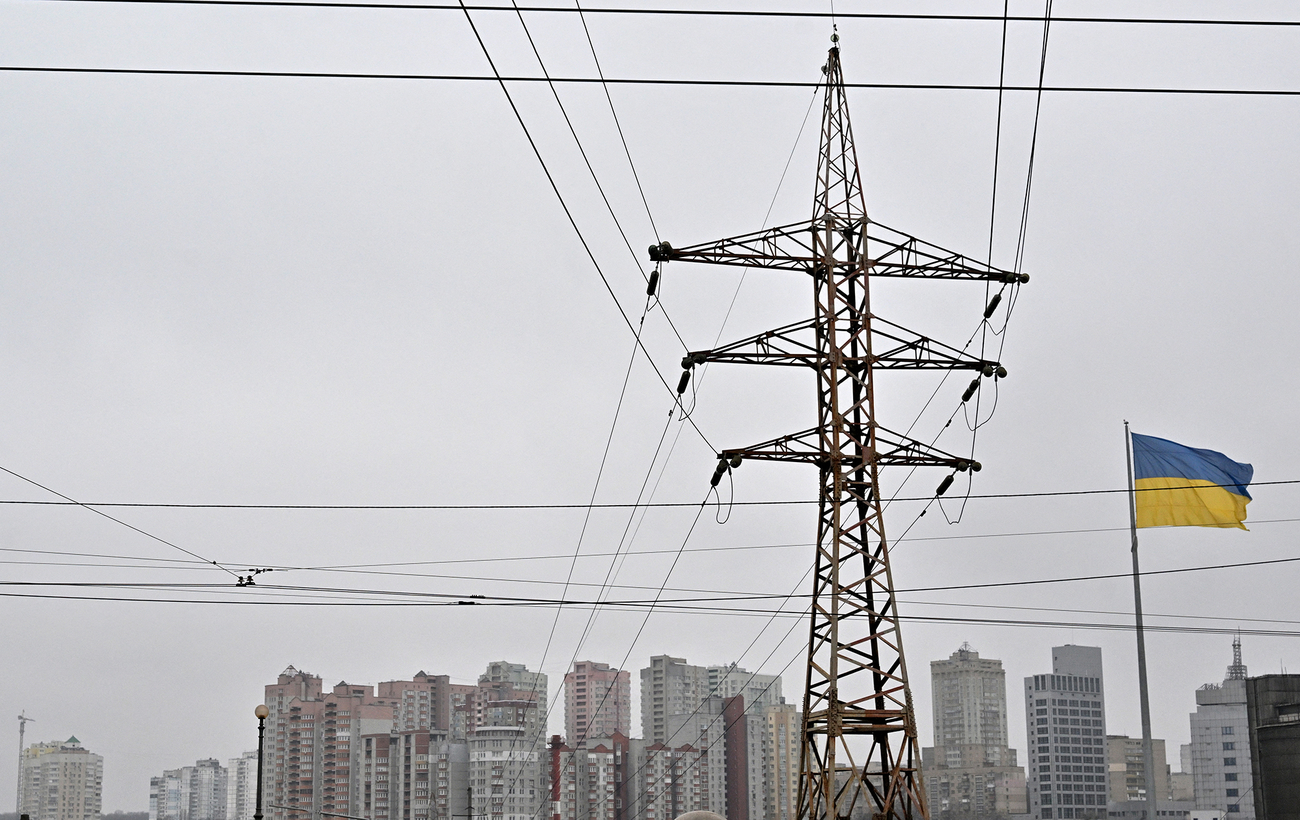
Hungary and Slovakia account for 70% of Ukraine’s electricity imports (Getty Images).
Ukraine will be able to redistribute volumes through other routes, but it is unlikely to replace 100% of supplies if deliveries are halted, she believes.
"However, in my opinion, these statements are currently just political intimidation, and it is unlikely that supplies will actually be stopped," Orlova noted.
EU energy system operators cannot independently make such decisions, as their activities are coordinated within the framework of an association of such companies in Europe (ENTSO-E), the analyst explained.
The transit of Russian oil through Ukraine to Slovakia and Hungary stopped at the end of January, when Russia struck a pumping station of the Druzhba oil pipeline.
Since then, Ukraine has been forced to suspend oil transit to refineries in Slovakia and Hungary.
To secure supplies, these countries began purchasing Russian oil by sea via a port in Croatia with further transportation through pipelines. Budapest and Bratislava have also tapped into their strategic oil reserves.
On February 18, Hungary’s Foreign Minister Péter Szijjártó announced that his country was suspending diesel fuel supplies to Ukraine until Russian oil transit is restored. His position was supported by the Slovak government.
Commenting on these decisions, Ukrainian oil market experts Serhiy Kuyun and Oleksandr Sirenko said that Hungarian and Slovak diesel accounts for up to 10% of the Ukrainian market, so its loss would not be critical and could be replaced by supplies from other directions.
On February 18, the Slovak government also announced the possible suspension of electricity exports to Ukraine if the oil pipeline’s operation is not restored.
On February 19, the outlet About Hungary reported that official Budapest is considering, in addition to diesel fuel, suspending electricity and gas supplies to Ukraine as well.