Russian oil transit through Ukraine collapses to historic low

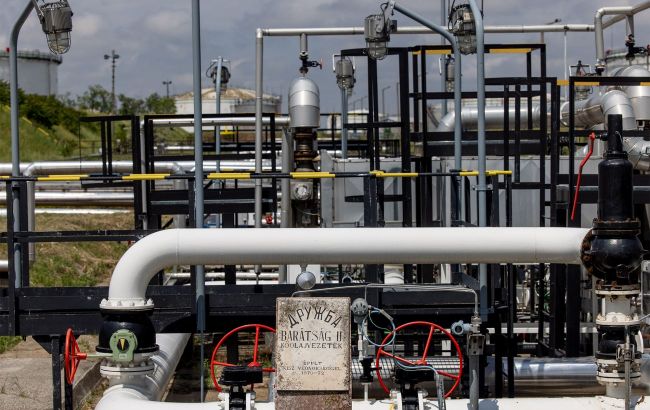 Illustrative photo: Russian oil transit through Ukraine has declined (Getty Images)
Volumes of Russian oil transit through Ukraine fell to a historic low in 2025, dropping to 9.73 million tons, according to data from the specialized outlet ExPro.
Reasons for the decline in transit
ExPro notes that compared to 2024, oil transport volumes through the southern branch of the Druzhba pipeline decreased by 14%.
Analysts highlight two key factors that affected the trend:
-
Czechia’s refusal of Russian oil: In March 2025, the country completely stopped purchasing Russian crude. As a result, transit to Czechia for the year amounted to only 0.52 million tons, five times lower than the previous year’s figures.
-
Attacks on infrastructure: Transit remained unstable due to Ukraine’s strikes on pumping stations on Russian territory. In particular, in August, volumes fell to a ten-year low of 430 thousand tons.
Who continues to buy Russian oil
The main consumers of Russian oil transiting through Ukraine remain two countries. The largest volumes went to Slovakia – 4.9 million tons (an increase of 24%).
Hungary received 4.35 million tons (8% less than in 2024).
Due to Ukrainian sanctions against Lukoil, the Hungarian company MOL Nyrt. acts as the transportation service client, purchasing the oil at the Belarus–Ukraine border.
For reference, in 2024, volumes of Russian oil transported through Ukraine’s pipeline system decreased by 15%, totaling 11.5 million tons.
At that time, Hungary received the largest share (4.8 million tons), while exports to Slovakia and Czechia fell to 4 million tons and 2.7 million tons, respectively.