Zelenskyy’s office explains importance of new sanctions package against Russia


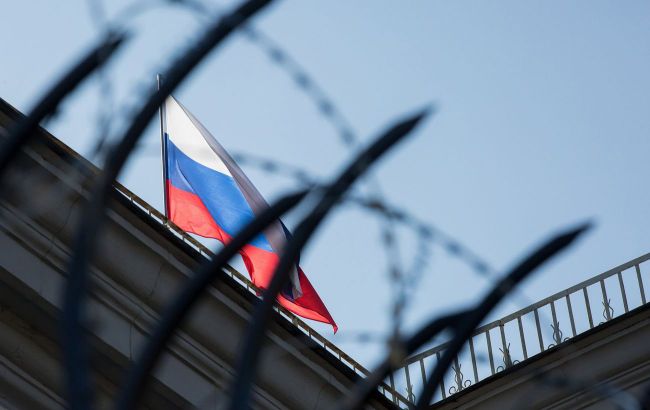 Photo: sanctions targeted not only weapons manufacturers (Getty Images)
The new restrictions target companies producing drones, as well as components for Russia’s missile, space, and aviation industries. These include FPV drone manufacturers such as ASFPV, Rustakt, and IONOS, as well as the Izhevsk Aviation Plant.
For example, ASFPV alone supplies up to 10,000 Veterok FPV drones to the front lines each month. The sanctions also hit factories producing components for navigation systems used in Iskander-M missiles and drones.
The EU also targeted foreign companies that have become part of Russia’s war economy. The sanctions list includes firms from China (Shenzhen Minghuaxin, Xinxiang Richful) and Belarus (Izovac, Engineering Group).
These companies secretly supplied Russian arms manufacturers with essential components and equipment. This allowed Russia to circumvent restrictions and maintain high output levels of military production.
Fighting the shadow fleet
The EU also paid special attention to transport operators helping Moscow export oil. Dozens of companies from Russia, the UAE, Türkiye, Azerbaijan, Hong Kong, and Liberia were sanctioned. Their vessels used illegal schemes, including turning off tracking systems and conducting ship-to-ship oil transfers at sea.
Personal sanctions were also imposed on key individuals, including top Rostec executives Oleg Yevtushenko and Bekhan Ozdoev, as well as organizers of shady procurement schemes Oleg Fishelev and Pavel Nikitin.
In addition, the measures targeted representatives of Russia’s shadow fleet, including Coral Energy founder (formerly 2Rivers Group) Takhir Garayev and maritime insurance broker Konstantin Rogach.
"For us, this confirms that European partners clearly identify the individuals behind the production of weapons that attack Ukrainian cities every day and consistently restrict their capabilities," Vlasiuk said.
According to him, this is an interim step. Ukraine expects that in the coming weeks, the EU will adopt a significantly stronger and more comprehensive 21st sanctions package.
Brussels recently prepared its 21st sanctions package targeting key sectors of the Russian economy, including energy, financial services, trade, cryptocurrency, and fisheries.
One of the key decisions is a full EU entry ban on former Russian military personnel involved in the war against Ukraine. In addition, European diplomats are preparing personal sanctions against another 80 Russian companies and individuals.