Europe to ban entry for Russians who fought against Ukraine in new sanctions package

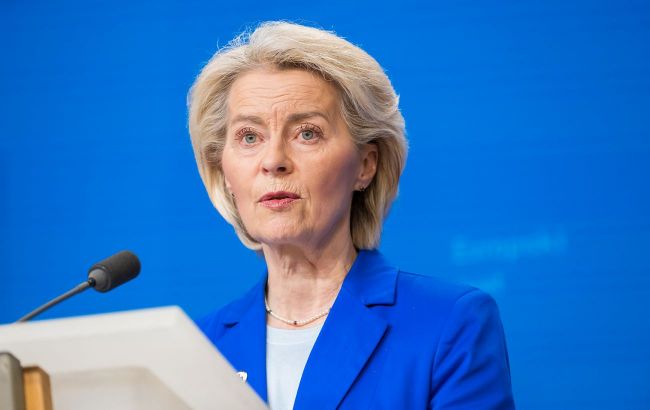 Photo: European Commission President Ursula von der Leyen (Getty Images)
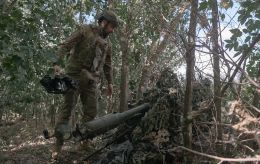
Russians who fought against Ukraine will no longer be allowed to enter the European Union. The ban is part of the new 21st sanctions package proposed by the EU today, according to European Commission President Ursula von der Leyen.
What's included in the 21st sanctions package
The European Commission has proposed a new package of restrictions against Russia targeting several key sectors: energy, financial services, cryptocurrency, trade, and, for the first time, the fishing industry.
"Today, we are putting forward the 21st sanctions package. We focus on the sectors with the highest impact: energy, financial services and crypto, trade – including fisheries, for the first time – and we are banning the entry of former Russian combatants into the European Union," von der Leyen said.
Crackdown on Russia's shadow fleet
A separate part of the package targets the vessels Russia uses to export oil while circumventing sanctions.
The EU plans to add 30 more ships to its sanctions list, on top of the 632 vessels already under restrictions. This would bring the total number of sanctioned shadow fleet vessels to more than 660.
For the first time, the sanctions will also target ships that support the shadow fleet by providing fuel or other services. Infrastructure facilities such as ports, airports, and oil refineries involved in trading or processing Russian oil will also face restrictions.
In addition, the EU proposes banning the sale of energy tankers to Russia.
The new entry ban on former Russian fighters is a separate element of the package and marks a first in EU sanctions policy.
What else is the EU preparing
Alongside the proposed travel ban, the EU is preparing further measures aimed at Russia's economy.
The bloc plans to include 170 individuals and entities in the 21st sanctions package, including 90 banks.
The new restrictions will target:
- Banks and financial institutions involved in financing the war;
- Companies within Russia's military-industrial complex;
- Businesses involved in the sale of stolen Ukrainian grain;
- Shadow fleet vessels transporting Russian oil.
The package is expected to be adopted in late June or early July. Political changes have reportedly aided its progress in Hungary, where the new government has lifted previous objections to certain sanctions measures.
Meanwhile, the EU is increasing pressure on Russia on multiple fronts. Naval forces from EU member states have been granted authority to board Russian shadow fleet vessels in the Mediterranean Sea. Previously, the IRINI mission was limited to monitoring suspicious ships.
EU foreign policy chief Kaja Kallas also stated that existing sanctions have already cost the Kremlin an estimated $1.5 trillion, while the new package is expected to target an additional 80 Russian entities and individuals.