Zaporizhzhia Nuclear Plant one step from blackout, IAEA urges immediate truce

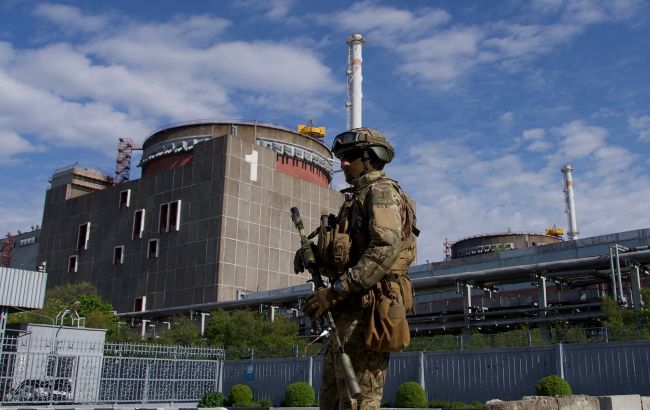 Photo: Zaporizhzhia Nuclear Power Plant on the brink of a blackout (Getty Images)
The Zaporizhzhia Nuclear Power Plant is currently relying on a single backup power line. The IAEA is negotiating a local ceasefire to allow time to repair it, according to IAEA Director General Rafael Grossi.
Single power line for entire reactor
Since March 24, the Zaporizhzhia Nuclear Power Plant has been powered exclusively by the 330-kV Ferosplavna-1 backup line. The main 750-kV Dniprovska line was disconnected at that time.
During this time, the plant has recorded three separate instances of a complete loss of external power. The IAEA is currently negotiating with Ukraine and Russia for a temporary local ceasefire to allow for repairs.
Drones over plant and city
The IAEA team at the ZNPP learned of several drone attacks near the facility and in neighboring Enerhodar, where most of the plant’s staff lives. In particular, one of the attacks reportedly involved up to 40 drones.
On Saturday, a drone carrying explosives reportedly crashed near the machine hall of the first power unit, but did not explode; there were no casualties or damage. The IAEA team was unable to confirm this: the plant reported the incident only two days later, and the debris had already been cleared away.
Grossi stated that the presence of drones and explosives at a nuclear power plant was unacceptable, as it sharply increased the already significant risks to nuclear safety.
On May 3, a drone attacked an external radiation monitoring laboratory near the Zaporizhzhia NPP. There were no casualties at the time, but the IAEA immediately demanded access to the facility.
Meanwhile, the day after that attack, the agency’s team discovered damage to the laboratory’s meteorological equipment, and some of the radiation monitoring devices had malfunctioned.