Your skin is suffering from this everyday mistake, say dermatologists

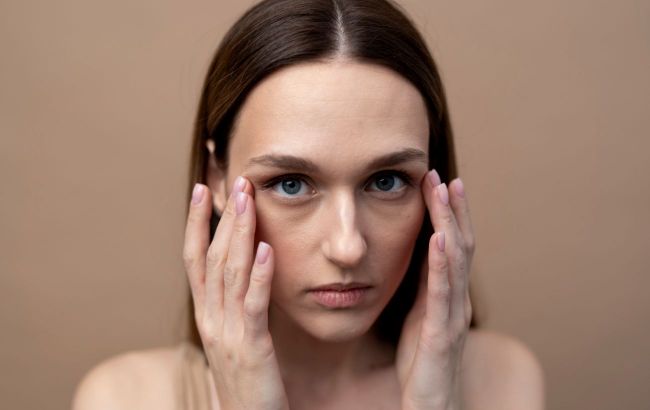 What lack of sleep does to your skin (photo: Freepik)
Lack of sleep leaves a visible mark on your skin, making it look tired and accelerating aging, even before you feel simple fatigue, according to Real Simple.
Read also: 8 daily habits that worsen common skin problem
Why your skin needs sleep
Dermatologist and medical doctor James Kilgore explained that sleep is one of the most important and most underrated factors for healthy skin.
During deep sleep, blood flow to the skin increases, collagen production is enhanced, and cell repair accelerates. In other words, this is the best time for recovery.
Since the skin is in recovery mode during sleep, it is recommended to use active ingredients such as retinoids and peptides in the evening to support collagen production and cell renewal.
During the day, the focus should be on protection, so using sunscreen is essential.
When lack of sleep becomes the norm, stress hormones can worsen the situation. Poor-quality sleep can raise cortisol levels, negatively affecting the skin’s ability to repair itself, reducing blood circulation, and contributing to a dull, tired appearance.
How poor sleep shows on your skin
Weakened skin barrier
Sleep is when the skin restores itself. Without enough sleep, this restoration slows down.
Sleep deprivation makes the skin dull, dry, and more prone to fine lines, puffiness, and even itching.
When the skin barrier is compromised, moisture escapes more easily while irritants and bacteria can penetrate, making the skin more reactive, sensitive, and less able to retain hydration.
Over time, damage deepens. Barrier function may be impaired, and inflammation or breakouts may heal more slowly.
Breakouts and inflammation
Elevated cortisol levels can trigger excessive sebum production, worsen acne, and aggravate inflammatory skin conditions like eczema or psoriasis. For those struggling with these issues, stress and lack of sleep are among the most common triggers.
Sleep deprivation also increases inflammation throughout the body, which can manifest as redness, sensitivity, or flare-ups.
Sleeping only 4 to 5 hours per night can cause more redness than usual.
Dullness, dark circles, and puffiness
Higher cortisol levels and reduced blood circulation can make skin look dull, tired, and less radiant.
Poor sleep is also closely linked to dark circles under the eyes and puffiness, partly due to fluid shifts and changes in circulation.
Dark circles may sometimes indicate underlying issues such as anemia so consulting a doctor is advised.
This material is for informational purposes only and should not be used for medical diagnosis or self-treatment. Our goal is to provide readers with accurate information about symptoms, causes, and methods of detecting diseases. RBС-Ukraine is not responsible for any diagnoses that readers may make based on materials from the resource. We do not recommend self-treatment and advise consulting a doctor in case of any health concerns.