Xi Jinping outlines China’s push to boost yuan as international currency

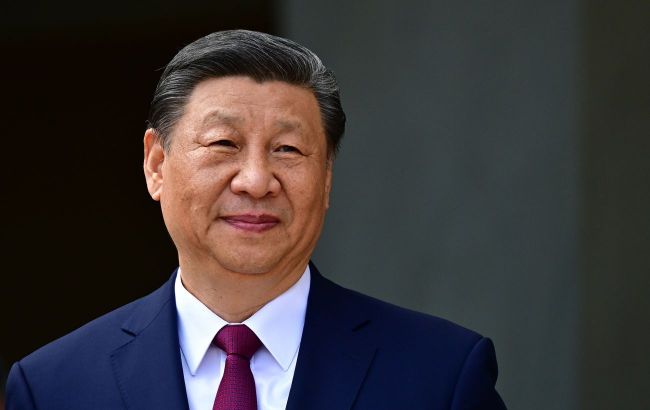 China’s President Xi Jinping (Photo: Getty Images)
China’s President Xi Jinping has called for making the Chinese yuan one of the world’s main reserve currencies, a move aimed at strengthening Beijing’s role in the global financial system, according to the Financial Times.
As FT notes, Chinese leadership has long pursued the internationalization of the yuan, but these comments represent Xi’s clearest statement yet of his goal: to create a strong currency and a broader financial foundation that Beijing would need to support it.
In a speech published in the party journal Qiushi, Xi said China must build a powerful currency widely used in international trade, investment, and foreign exchange markets, and achieve reserve-currency status.
According to China’s leader, achieving this goal will require a stronger central bank, competitive financial institutions, and international financial centers.
The call reflects Beijing’s long-term strategy to expand its influence in the global economy, particularly amid signs of a weakening US dollar and leadership changes at the Federal Reserve, prompting other central banks to reassess their currency portfolios and dollar-related risks.
Analysts emphasize that implementing these plans will require not only political will but also meaningful economic reforms, including improved access to China’s financial markets and greater trust from foreign investors.
Xi Jinping’s position on the yuan as a reserve currency could send a significant signal to global financial markets and indicate major shifts in the world currency architecture amid geopolitical tensions and economic competition.
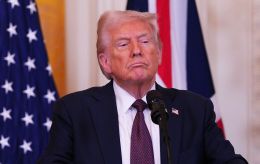
A few days ago, US President Donald Trump welcomed the decline of the dollar, calling it a great outcome for American business and exports.
In remarks to the press, Trump emphasized that he could manipulate the currency's exchange rate but sees no need to do so.
At the same time, the US president criticized China and Japan for past attempts to devalue the yuan and yen, calling such competition unfair to American goods.