Will Russia extend Easter truce? Putin’s spokesperson gives clear answer

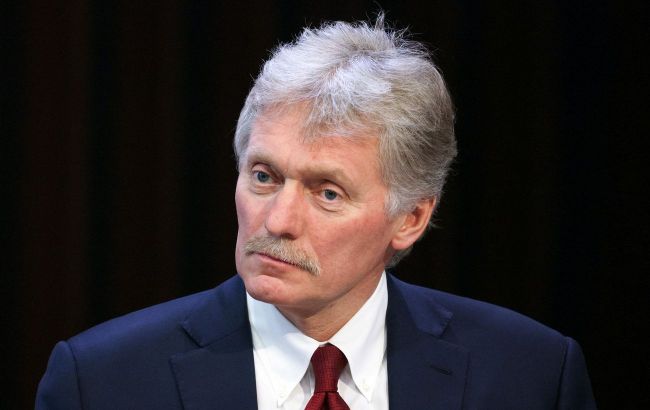 Photo: Dmitry Peskov, spokesperson for the Russian President (Getty Images)
According to him, the announced Easter truce is purely humanitarian in nature, and such steps should not be seen as a political signal or a change in position.
"As we have repeatedly said, and as President Putin (Russian President Vladimir Putin) has said, we want not a truce, but peace — a strong, lasting peace," Peskov said.
He also cynically stated that "peace could come today" if Ukrainian President Volodymyr Zelenskyy "takes responsibility and makes an appropriate decision."
At the same time, Peskov did not specify what exact decision he meant, but it can be assumed he was referring to the withdrawal of Ukrainian forces from the Donbas.
The spokesperson also commented on Zelenskyy’s statement that Ukraine could respond in kind to Russia’s temporary ceasefire actions. Peskov said that Moscow had taken note of this, but provided no further details.
In late March, Volodymyr Zelenskyy said he was ready for a ceasefire with Russia over the Easter holidays. He noted that a 2–3 day ceasefire would not allow the aggressor state to strengthen its positions on the front line, and therefore would not affect the fighting.
On Thursday, April 9, Peskov said that the Russian leader had not yet made a decision on an Easter truce. However, yesterday, Putin did decide to introduce a truce with Ukraine over Easter — it will be in effect from 4:00 p.m. on April 11 until the end of April 12, 2026.