Why Trump pulled back from striking Iran's energy infrastructure: Expert insight


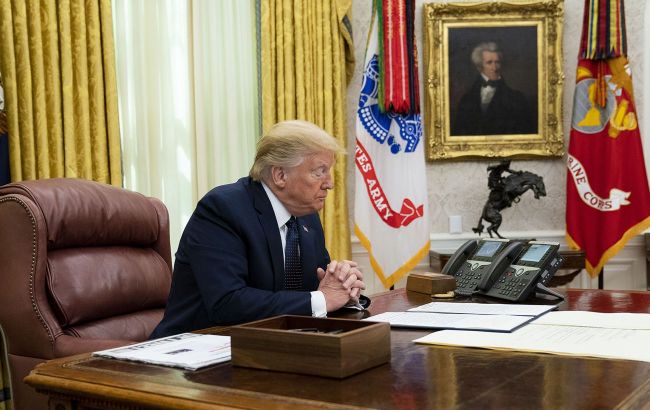 Photo: US President Donald Trump (Getty Images)
US President Donald Trump’s decision to delay strikes on Iran’s energy sector may have been driven both by intelligence assessments and international pressure, says deputy director of the Center for Middle Eastern Studies Serhii Danylov.
"I am a 100% sure that this is both the result of analysis by the American intelligence and the result of pressure from neighbors. Because this is a crazy step that brought nothing, added nothing, and did not bring either the United States or anyone at all closer to the goal, while at the same time creating new challenges," he explained.
According to the expert, it is currently unlikely that Iran will move toward de-escalation of the conflict.
"They (Iranian leaders – ed.) saw that, in general, the strategy is working somehow. Meaning to increase the cost of the war and present themselves as crazy player ready for anything. The talk about compensation is one thing, but in reality, they are demanding security guarantees. And no one can give them that. So, they now have a chance to press with what they have," Danylov noted.
On March 22, the US president threatened Iran with strikes on power plants if Tehran does not restore freedom of navigation through the Strait of Hormuz, which is a key route for global oil exports.
In response, Iran threatened to carry out new strikes on American and other infrastructure in the Middle East.
Already on March 23, Trump said that the US and Iran held very productive and constructive talks on resolving the situation in the Middle East, after which he instructed the Pentagon to postpone strikes on Iranian energy infrastructure for five days.
Meanwhile, Iran denies contacts with Trump, claiming that there were no direct or indirect contacts with the United States.
They also said that Washington had suffered a defeat after Iranian warnings, and that Trump himself is backing down.