War with Iran turns deadly as reported toll rises into thousands

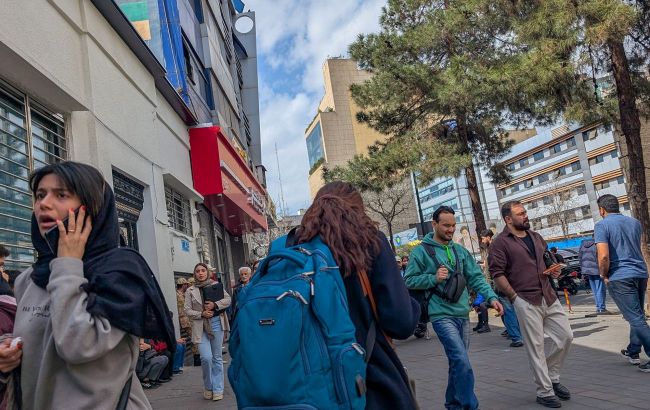 Tehran on February 28, the first day of the operation (Photo: Getty Images)
Iran, Israel, and the US, as well as the Gulf countries and Lebanon, have published data on the dead since the beginning of the operation, which started on February 28. The figures are current as of March 9, according to Reuters.
Read also: One phone call changed everything: Trump–Netanyahu conversation triggered Iran strike plan
Reuters notes that it has not independently verified the data provided by the countries. According to the published figures, the highest number of victims is in Iran.
IRAN - according to the humanitarian organization Iranian Red Crescent Society, at least 1,230 people have died, including 175 schoolchildren and staff who were victims of a missile strike on a primary school in Minab in the south of the country on the first day of the war.
It is unclear whether the casualties among the military personnel of the Islamic Revolutionary Guard Corps are included in the total death toll. The Iranian army also stated that at least 104 people died after a US submarine sank an Iranian military vessel off the coast of Sri Lanka last week. These casualties are not included in the Red Crescent data.
ISRAEL - The military reported the deaths of two soldiers in southern Lebanon. These are the first losses among Israeli troops since the resumption of hostilities with Hezbollah last week, after the group attacked Israel in support of Iran. Also, 11 civilians were killed, including nine people, as a result of an Iranian missile strike on the city of Beit Shemesh near Jerusalem on March 1, according to Israel's Magen David Adom emergency service.
US - According to the US military, seven service members died during operations against Iran.
LEBANON - According to the country's Ministry of Health, at least 394 people have been killed in Israeli strikes, including 83 children.
SAUDI ARABIA - Two people died after a shell fell on a residential area in the city of Al-Kharj, southeast of the capital Riyadh.
BAHRAIN - One person died after a fire broke out in the Salman Industrial City industrial zone following an interceptor missile on March 2, the country's Interior Ministry reported.
KUWAIT - According to the Ministries of Health and Foreign Affairs, one child died as a result of Iranian attacks on the country. Also, two Interior Ministry employees and two army soldiers died while on duty, the military reported.
OMAN - One person died after a projectile hit the product tanker MKD VYOM, flying the flag of the Marshall Islands, off the coast of Muscat.
UNITED ARAB EMIRATES - According to the country's Ministry of Defense, four people died.
SYRIA - Four people died when an Iranian missile struck a building in the southern Syrian city of Sweida on February 28, the state news agency SANA reported.
IRAQ - According to police and medical services, at least 15 people died. One commander of the Islamic Resistance in Iraq - an alliance of Iranian-backed armed groups - was killed on March 5 in an airstrike on his vehicle, police sources told Reuters.
Epic Fury operation against Iran
On February 28, the US and Israel launched a large-scale operation against Iran. On the very first day, the country's supreme leader, Ali Khamenei, was eliminated.
The Gulf countries, Lebanon, and Azerbaijan became drawn into the war. Iran began striking US bases in these countries, but consequences for the civilian population and infrastructure have also been recorded.
The day before, US President Donald Trump stated that the son of Ayatollah Ali Khamenei, Mojtaba Khamenei, who now leads Iran, could be eliminated if the Islamic state does not abandon its nuclear program, which, according to the American and Israeli leaders, is the very reason for the operation.
Another significant consequence of this war for the world has been a substantial rise in oil prices, as Iran has practically blocked the passage of tankers carrying black gold through the Strait of Hormuz.