War with Iran drains stockpiles, US urgently seeks funds for interceptors

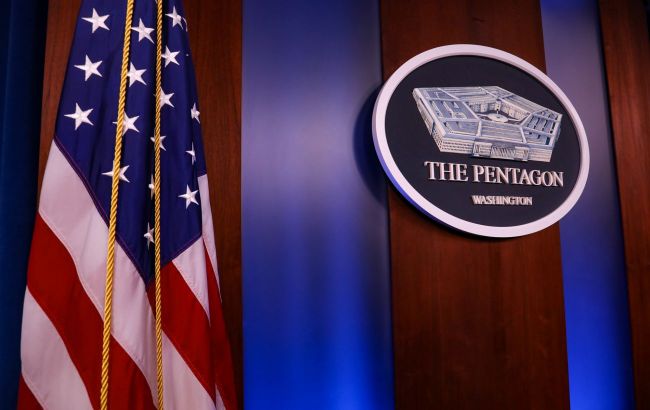 Photo: The Pentagon is seeking funding for interceptors (Getty Images)
The Pentagon plans to reallocate about $1.5 billion in previously approved funding to procure critically important interceptor missiles for Patriot, THAAD, and Standard Missile systems, Bloomberg reports.
According to the outlet, the weapons in question are those whose stockpiles are causing increasing concern amid heavy ammunition expenditure during the war with Iran.
A "reprogramming" note sent by Pentagon's comptroller Jules Hurst to Congress on March 13 does not explicitly state that the request is tied to the current Middle East conflict. However, it came after the United States, Israel, and Gulf monarchies used large numbers of interceptors to counter Iranian drones and missiles.
The Pentagon says the move is not only about replenishing stockpiles but also about adopting a long-term procurement approach that would allow defense contractors to ramp up production. This primarily concerns interceptors for Patriot and THAAD systems.
According to Bloomberg, the Pentagon is seeking approval to redirect $352 million from lower-priority programs toward a contract for 85 additional Patriot-3 Missile Segment Enhancement interceptors produced by Lockheed Martin.
Another $771 million is proposed for the purchase of 65 additional THAAD interceptors later this year.
The Defense Department also wants to shift $373 million to acquire 23 additional Standard Missile-3 IB interceptors produced by RTX to boost reserves of this critical munition.
Amid the war with Iran, the United States is also discussing a sharp increase in defense spending. Earlier, The Washington Post reported that the Pentagon had already asked the White House to approve a request to Congress for more than $200 billion to fund the war against Iran.
At the same time, there is no unity within Donald Trump’s administration on further steps. According to The Wall Street Journal, some of his advisers favor ending the conflict as soon as possible due to rising oil prices and the risks of a prolonged war.