War fallout shakes Russian business: One in four companies under strain

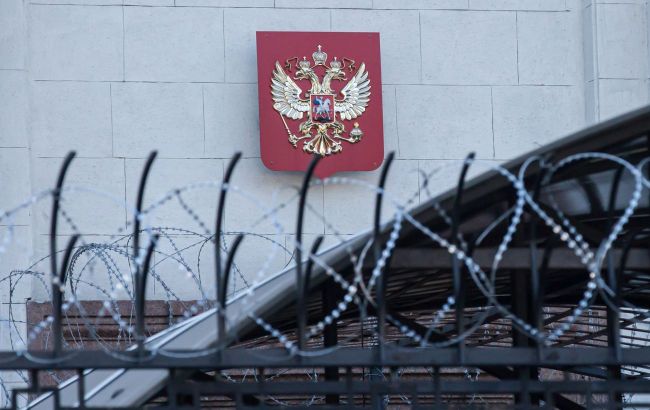 Photo: Russian companies' profits are falling while losses are rising (Getty Images)
The financial performance of Russian companies has sharply deteriorated amid deepening economic problems, affecting one in four Russian firms, reports The Moscow Times.
Read also: Kremlin claims 'shared interests' with US over sanctions
According to last year’s results, the total loss of Russian companies increased by 7.5% year-on-year, reaching 8.9 trillion rubles ($110 billion). 17,200 companies, or 27.1% of the total, reported losses.
46,400 companies recorded profits, earning a total of 35.9 trillion rubles ($450 billion), which is 1.3% less than the previous year.
The net financial result (profits minus losses) of the country’s businesses fell by 3.9% year-on-year, to 27 trillion rubles ($330 billion).
In several sectors, companies’ financial results worsened significantly. The largest profit declines were recorded among motor vehicle manufacturers (net fell by 79.7%), freight carriers (77.4%), and coke producers (66.6%).
Considerable losses were also reported by oil and gas extraction companies (63.9%) and paper manufacturers (61.5%).
More loss-making companies than profitable ones in some sectors
In some areas, the number of loss-making companies exceeded profitable ones. The worst situations were in coal mining (66.1% loss-making), steam and hot water supply (63.8%), land transport (58%), water supply and waste collection (51%), and the oil and gas industry (50.9%).
The decline in Russian business profits is linked to rising costs and a crisis in raw material industries. Experts note that low export prices at the start of the year, sanctions, and increased logistics costs have affected the situation.
The Ukrainian Foreign Intelligence Service reported that the Russian economy has entered the deepest crisis in the last 20 years, compared to the late USSR scenario.
According to intelligence data, in 2025, industrial growth in Russia practically stopped (falling from 4–6% to 0.8%), and rail freight traffic dropped to a 16-year low.