Want to use less gas? 10 simple car tricks that really work

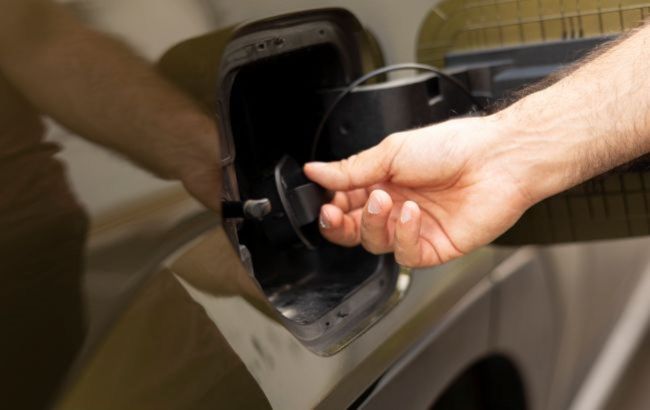 Some habits can significantly increase fuel consumption (photo: Magnific)
It may seem that fuel consumption depends solely on the engine or the price at the gas station. In reality, dozens of small factors affect it, many of which drivers don't even think about. Some habits can "eat up" several extra liters of fuel per 100 kilometers, while others can help you save money without any additional spending.
Styler has compiled advice from automotive experts and mechanics that can genuinely help reduce fuel consumption.
Little-known factors that can make difference
Remove roof rack if it's not used
Even an empty roof box or roof rack changes a vehicle's aerodynamics. At speeds above 80-90 km/h, air resistance increases, along with fuel consumption. If your trip is over, it's better to remove the rack until your next vacation.
Research shows that they can increase fuel consumption by about 5%, while a large roof box can increase it by up to 25% on the highway.
Don't carry things in trunk just in case
Many people drive for years with a collection of old tools, gas cans, boxes, or items they haven't used in a long time. An extra few dozen kilograms may not make a major difference on a single trip, but over the course of a year, they can gradually increase fuel consumption.
Open windows can cost more than air conditioning
The difference is barely noticeable within the city. On the highway, however, open windows create significant aerodynamic drag. As a result, the engine has to work harder. At high speeds, it can sometimes be more fuel-efficient to use the air conditioner than to drive with the windows down.
Research indicates that driving on the highway with the windows open can increase fuel consumption by 4-8.5% in passenger cars. The main reason is increased aerodynamic drag.
Fill up at stations with high fuel turnover
At large gas stations, fuel is replenished more frequently, reducing the risk of getting gasoline or diesel that has been sitting in storage tanks for a long time. Fuel quality can also affect engine performance and fuel efficiency.
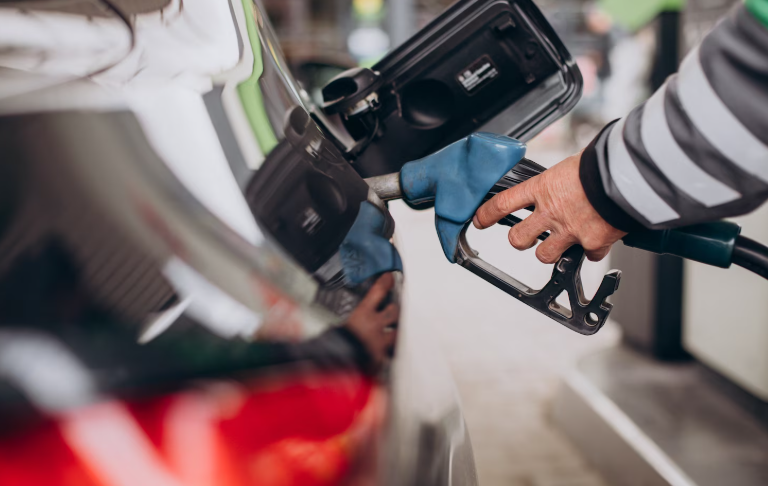
How to save money on filling up your car (photo: Magnific)
Simple habits that can help you save
Don't warm up your car for 10 minutes
This habit dates back to the days of older cars. Modern engines only need a few seconds after starting. They warm up best while driving, as long as you don't press the gas pedal aggressively.
Check your tire pressure at least once a month
Even slightly underinflated tires increase rolling resistance. As a result, the engine uses more energy, and you spend more money every time you fill up.
Try not to brake unnecessarily
If you see a red traffic light or a traffic jam ahead, it's better to take your foot off the gas pedal early rather than accelerate until the last moment. Every hard acceleration requires additional fuel.
Short trips are least efficient
When the engine is still cold, it uses more fuel. If you can take care of several errands in one trip instead of making three separate trips, your overall fuel costs will be lower.
Don't put off air filter replacement
A dirty filter interferes with the engine's normal operation. With insufficient air, fuel burns less efficiently, gradually increasing consumption. It's one of the least expensive components that can affect fuel economy.
Don't drive faster than necessary
Most passenger cars are most fuel-efficient at moderate speeds. Once you reach around 100 km/h, fuel consumption begins to rise quickly because of aerodynamic drag. The difference in arrival time is often just a few minutes, while the difference in fuel costs can be significant.
One habit isn't enough—it's combination that works
Many drivers look for one universal way to save fuel, but no such method exists. Instead, several simple habits can make a noticeable difference.
If you keep an eye on tire pressure, avoid unnecessary weight, avoid accelerating unnecessarily, and service your car regularly, fuel consumption will gradually decrease. And you'll notice the difference not just on the dashboard, but at your next fill-up.
Styler also explained how to save money on electricity bills.